 LNEYA Thermal Test Chillers

SEARCH WHAT YOU WANT
Enter keyword or product model
Search allProduct
SEARCH
Gas Cooling Chiller
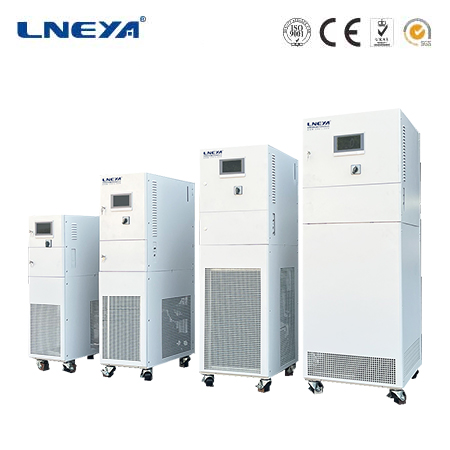
Industrial circulation heaters play a critical role in a wide array of industrial applications where temperature control of fluids is necessary. These heaters are designed to heat moving or circulating fluids, ensuring consistent temperature maintenance across various processes.
Design and Functionality:
Circulation heaters function by transferring heat to a fluid as it flows through the heater. They can be configured for direct heating, where the process fluid circulates directly through the heater, or for indirect heating, where a thermal fluid is used to transfer heat to the process system. These heaters are typically powered by electricity and use immersion heating elements, which can be flanged or screw-plug types for easy replacement or exchange without disrupting the entire system.
Benefits of Industrial Circulation Heaters:
Efficient Heat Transfer: They offer efficient heat transfer to fluids, ensuring rapid and uniform heating.
Precise Temperature Control: Advanced control systems allow for precise temperature management, which is crucial for process consistency and product quality.
Versatility: Circulation heaters can handle various liquids and gases, making them suitable for a broad range of applications.
Compact Design: They often have a compact footprint, making them ideal for installations with space constraints.
Energy Efficiency: Designed to minimize heat loss, circulation heaters contribute to energy savings and lower operational costs.
Applications:
Circulation heaters are used in numerous industries, including chemical processing, oil and gas, food processing, and manufacturing. They are employed for processes such as heating liquids in chemical reactors, maintaining optimal temperatures in oil reservoirs, and regulating the temperature of water in power generation systems.
Maintenance and Safety:
Proper maintenance of circulation heaters is essential for their longevity and safe operation. This includes regular inspections for wear and corrosion, cleaning of heating elements, and ensuring that all safety features, such as overtemperature protection and flow switches, are functioning correctly. It is also important to use high-limit sheath sensors to prevent overheating and to ensure that the heater is installed correctly, either vertically or horizontally, depending on the design.
Conclusion:
Industrial circulation heaters are indispensable for maintaining optimal fluid temperatures in industrial processes. Their design, versatility, and efficiency make them a popular choice for various applications. By selecting the appropriate heater for specific needs and following a regular maintenance schedule, industries can ensure reliable and efficient temperature control, contributing to process consistency and productivity.

Introduction In an era where adaptability and convenience are highly valued, portable chiller units have emerged as a practical cooling solution. Unlike traditional, fixed - installation chill...
View details
Oil Cooler Chillers: A Detailed Analysis Definition of Oil Cooler Chillers:Oil cooler chillers, also known as oil chillers, are cooling systems used to remove heat from industrial processes or ...
View detailsChillers are essential cooling devices that play a critical role in maintaining optimal temperatures across a wide spectrum of applications. By removing heat from fluids (typically water or glycol...
View details
Large Chillers: Industrial Cooling Solutions Large chillers are workhorses in the world of industrial cooling, providing substantial cooling capacities that range from hundreds to thousands of ...
View details

HelloPlease log in