 LNEYA Thermal Test Chillers

SEARCH WHAT YOU WANT
Enter keyword or product model
Search allProduct
SEARCH
Gas Cooling Chiller
Understanding 50 kW Chillers
A 50 kW chiller is a significant piece of equipment in the HVAC industry, providing essential cooling for applications that demand high heat removal. With a cooling capacity ranging from 15 kW to 28 kW, these chillers are designed to maintain optimal temperatures in various settings, including data centers, large commercial buildings, and industrial processes.
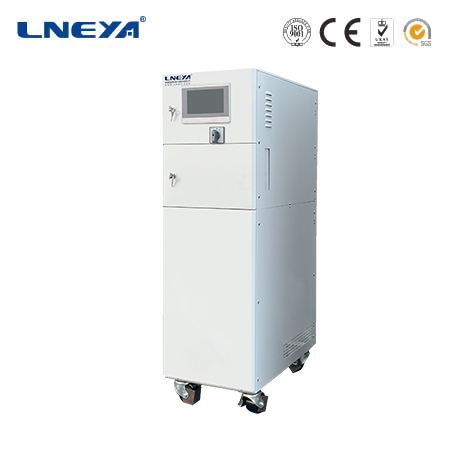
Key Features of 50 kW Chillers
50 kW chillers come with a range of features that enhance their performance and efficiency:
High Efficiency: These chillers boast high COP values, which can reach up to 5.4, meaning they produce 5.4 kW of cooling for every 1 kW of electricity consumed.
Advanced Controls: Modern 50 kW chillers are equipped with advanced control systems that allow for precise temperature management and integration with building automation systems.
Low Maintenance: With features like easy access to components and user-friendly interfaces, these chillers simplify maintenance procedures.
Environmentally Friendly: Chillers are increasingly being designed with environmentally friendly refrigerants, such as R-514A and R-1233zd, which have low global warming potential.
Types of 50 kW Chillers
The market offers two primary types of 50 kW chillers:
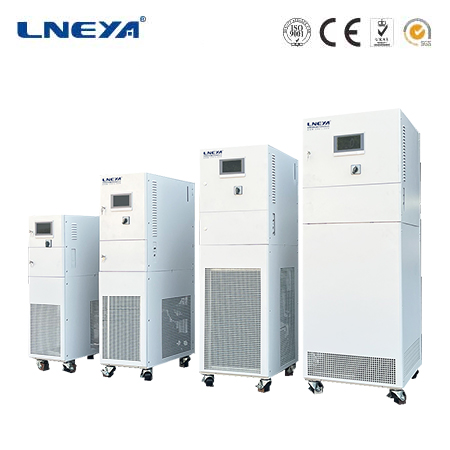
Air-Cooled Chillers: These are more cost-effective for smaller heat loads and situations where water supply is a concern. They are simpler to install as they do not require additional components like cooling towers or pumps.
Water-Cooled Chillers: These provide higher efficiency for larger heat loads and are more suitable for applications requiring multiple water temperatures. They require additional components like cooling towers and pumps, which can increase the initial cost but may result in lower operational costs due to higher efficiency.
Applications of 50 kW Chillers
50 kW chillers are used in a variety of applications where large cooling capacities are required:
Data Centers: These chillers maintain the optimal temperature and humidity levels necessary for the efficient operation of servers and IT equipment.
Industrial Processes: In manufacturing and processing facilities, 50 kW chillers provide the necessary cooling for processes such as plastic injection molding, chemical reactions, and laser cutting.
Commercial Buildings: Large office buildings, shopping centers, and hotels use these chillers for HVAC systems to ensure comfortable indoor environments for occupants.
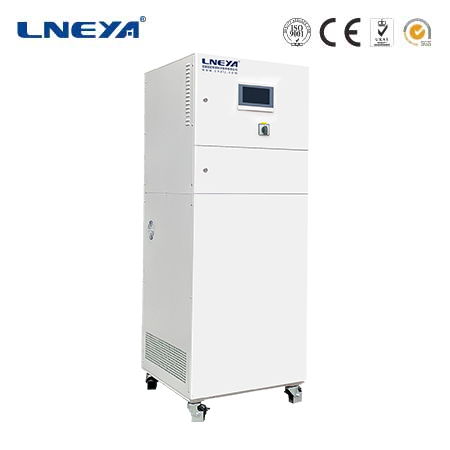
Maintenance and Operational Costs
The total cost of ownership for a 50 kW chiller includes not only the initial purchase price but also ongoing maintenance and operational costs. Regular maintenance is essential for ensuring the chiller’s performance and longevity. This includes inspecting and cleaning the condenser and evaporator coils, checking refrigerant levels, and verifying the operation of safety controls.
Operational costs are influenced by the chiller’s energy efficiency and the cost of electricity. Chillers with higher COP values will consume less energy and have lower operational costs. Energy savings from replacing an older, less efficient chiller with a new, more efficient model can be significant and may offset the higher initial cost of the new chiller.
Life Cycle Cost Analysis
When considering the purchase of a 50 kW chiller, it’s important to conduct a life cycle cost analysis. This analysis takes into account the initial cost, operational costs, and maintenance costs over the life of the equipment. By considering the life cycle cost, businesses can determine the most cost-effective option for their specific application and ensure that they make an informed decision that considers both the initial investment and long-term costs.
Conclusion
50 kW chillers are a versatile and essential component in many industrial and commercial applications. Their high efficiency, advanced controls, and modular design make them suitable for precise temperature control. As technology continues to advance, the future of 50 kW chillers promises even greater efficiency and sustainability, supporting the growing demands of various industries. With a focus on energy efficiency and environmental sustainability, the market for chillers is expected to grow, driven by the escalating demand for cooling solutions in response to growing environmental concerns and the rapid expansion of the construction industry.

What are the effects of condensation pressure and temperature changes on industrial water chiller system? (1) The impact of exhaust temperature In summer, the exhaust temperature of ind...
View details
IntroductionIn the realm of modern industrial and commercial operations, maintaining accurate temperature control of flowing media is essential for the smooth running of numerous processes. Flow ...
View details
Introduction to Water-Cooled Chiller COPThe coefficient of performance (COP) is a key efficiency rating for water-cooled chillers, measuring the ratio of cooling output to the electrical power inp...
View detailsTemperature Heating and Cooling: A Comprehensive GuideIntroductionTemperature heating and cooling systems are essential for maintaining precise and comfortable thermal conditions in various enviro...
View details

HelloPlease log in