 LNEYA Thermal Test Chillers

SEARCH WHAT YOU WANT
Enter keyword or product model
Search allProduct
SEARCH
Gas Cooling Chiller
Water Bath Equipment: Precision Temperature Control for Diverse Applications
Water bath equipment plays a crucial role in scientific and industrial processes that require maintaining a constant temperature for extended periods. Commonly known as thermostatic baths, these devices are used for incubating samples, heating reagents, and conducting temperature-sensitive experiments. The water bath market has been experiencing significant growth due to its wide range of applications and the increasing demand for advanced laboratory equipment.
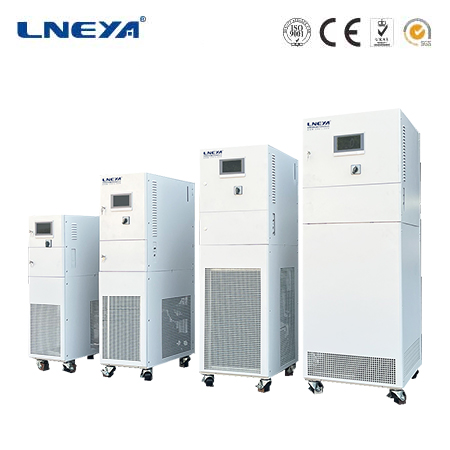
How Water Bath Equipment Works
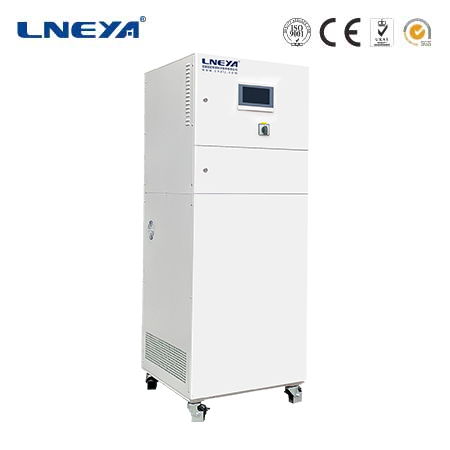
Water bath equipment consists of a container filled with water and a heating element controlled by a temperature controller. The device operates by setting a desired temperature, after which the heating element adjusts to maintain the water at that constant temperature. Some advanced models also include a circulation pump for better temperature uniformity and features like shaking or stirring to agitate the contents.
Advantages of Water Bath Equipment
The advantages of water bath equipment include:
Precise Temperature Control: Digital water baths offer accurate temperature regulation, essential for experiments that require specific temperature conditions.
Versatility: Water baths are used in various applications, from life sciences and chemical reactions to food processing and quality control.
Safety: Water baths are a safer alternative to open flames, especially when heating flammable substances.
Energy Efficiency: Modern water baths are designed to be energy-efficient, reducing operational costs and environmental impact.
Ease of Use: With programmable settings and digital displays, water baths are user-friendly and suitable for various skill levels.
Applications of Water Bath Equipment
Water bath equipment is used in multiple industries for applications such as:
Molecular Biology: For processes like PCR, enzyme digestion, and nucleic acid amplification.
Pharmaceuticals: In drug stability testing, sample incubation, and drug formulation.
Food Processing: For sous vide cooking, food preservation, and quality control testing.
Chemical Reactions: To maintain a specific temperature for chemical synthesis and analysis.
Material Science: For processes like corrosion testing and polymer curing.
Market Trends and Growth Factors
The water bath market is driven by several factors, including:
Rising Demand for Laboratory Research: As research and development activities increase, so does the need for reliable and precise laboratory equipment like water baths.
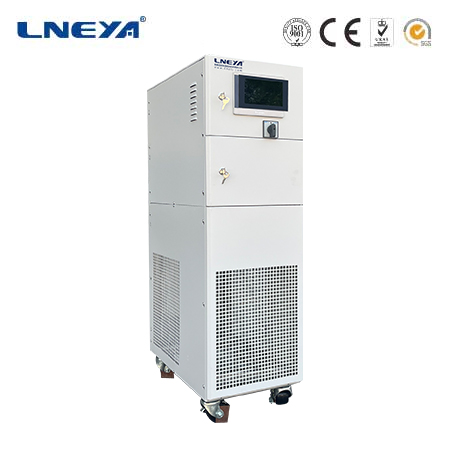
Technological Advancements: Innovations such as touch-screen interfaces, programmable settings, and energy-efficient designs are enhancing the functionality of water baths.
Growth in Biotech and Pharmaceutical Industries: These industries rely heavily on water baths for various processes, driving market demand.
Increased Focus on Quality Control: In the food and beverage industry, water baths are used to ensure product quality and meet regulatory standards.
Challenges and Opportunities
The market faces challenges such as high initial costs for advanced models and the need for skilled professionals to operate and maintain the equipment. However, opportunities exist in emerging markets with growing healthcare and biotechnology sectors, as well as the demand for high-throughput screening in drug discovery and increased focus on energy efficiency.
In conclusion, water bath equipment is an essential tool in various industries, providing precise temperature control for a wide range of applications. With the market projected to grow at a CAGR of 4.8% to 5.9% by 2031, there is a promising future for water bath equipment manufacturers, driven by advancements in technology and increasing demand from various sectors.

Chiller Water Plants: A Comprehensive Overview Chiller water plants are critical for maintaining comfortable temperatures in commercial buildings, industrial facilities, and data centers. They ...
View details
How Circulation Heaters WorkCirculation heaters operate on the principle of heating a fluid as it continuously flows through the heater. The basic structure typically consists of a heating elemen...
View details
What is the starting sequence flow of the 30 ton chiller? (1) Confirm whether the status of each relevant valve in the unit meets the requirements of this specification. Power the elect...
View details
Key Technological FeaturesPatented Flooded Evaporator TechnologyOne of the most distinctive features of Smardt water cooled chillers is their patented flooded evaporator design. In a traditional...
View details

HelloPlease log in