 LNEYA Thermal Test Chillers

SEARCH WHAT YOU WANT
Enter keyword or product model
Search allProduct
SEARCH
Gas Cooling Chiller
Air and Water Cooling Systems: Efficient Temperature Control for Diverse Applications
Air and water cooling systems are engineered to provide optimal temperature control in a variety of settings, from industrial processes to data centers. These systems combine the heat dissipation capabilities of air and water to maintain consistent conditions, ensuring the efficiency and longevity of equipment and processes.
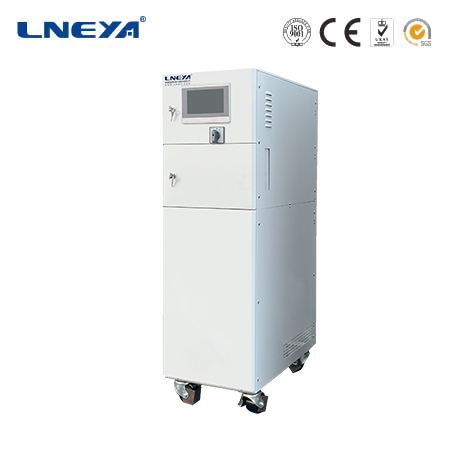
Types of Air and Water Cooling Systems
Air and water cooling systems can be categorized based on their design and application:
Closed-Loop Systems: In these systems, the fluid is continuously recirculated without makeup water, reducing the risk of contamination and minimizing water loss.
Open-Loop Systems: These systems use water from a source, such as a river or well, which is cooled in a heat exchanger and then returned to the source.
Hybrid Cooling Systems: These systems combine air and water cooling elements to provide enhanced cooling performance, particularly in applications where extreme temperature control is required.
Efficiency of Air and Water Cooling Systems
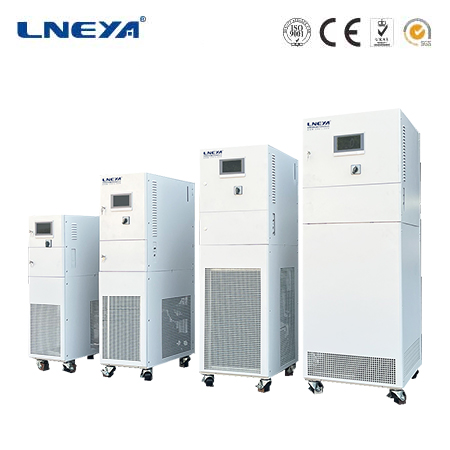
The efficiency of air and water cooling systems is determined by factors such as the type of refrigerant used, the design of the heat exchanger, and the system’s ability to dissipate heat effectively. Modern systems are designed with energy efficiency in mind, utilizing advanced technologies like variable frequency drives (VFDs) for compressors and intelligent control systems to optimize performance.
Market Trends for Air and Water Cooling Systems
The market for air and water cooling systems is influenced by the demand for energy-efficient cooling solutions in commercial buildings, industrial processes, and data centers. Technological advancements, such as the integration of IoT capabilities and smart controls, are transforming the market by allowing for remote monitoring and optimization, enhancing overall system efficiency, and reducing downtime.
Technical Specifications of Air and Water Cooling Systems
When selecting an air and water cooling system, several technical specifications should be considered:
Cooling Capacity: The system should be capable of providing the required cooling capacity for the application.
Temperature Range: The system should be able to maintain the desired temperature range, from sub-ambient to high temperatures.
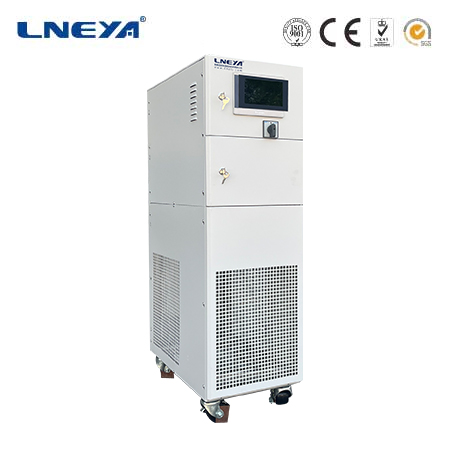
Flow Rate and Pressure: The system should have the necessary flow rate and pressure to ensure efficient heat transfer.
Refrigerant Type: Modern systems use environmentally friendly refrigerants with low Global Warming Potential (GWP).
Control Systems: Advanced control systems offer precise temperature regulation and energy management capabilities.
Applications of Air and Water Cooling Systems
Air and water cooling systems are used in a variety of applications, including:
Industrial Processes: These systems provide precise temperature control for processes such as chemical reactions and product cooling.
Data Centers: They maintain optimal temperatures for server rooms, ensuring the reliability and longevity of IT equipment.
Commercial Buildings: They offer cooling for offices, malls, hotels, and other commercial spaces, providing comfort and energy efficiency.
Power Generation: In power plants, these systems cool turbines and other critical components, ensuring efficient operation.
In conclusion, air and water cooling systems offer a flexible and efficient cooling solution for a wide range of applications. Their ability to provide customized cooling in different environments makes them a popular choice in both commercial and industrial settings. As technology continues to advance, air and water cooling systems are expected to become even more efficient and versatile, meeting the growing demand for sustainable cooling solutions.

IntroductionIn the realm of cooling technology, portable chillers have emerged as a practical and flexible solution for a variety of cooling needs. Unlike traditional, large - scale chiller syste...
View details
How to replace antifreeze for a 3 ton chiller? 1. The lower the concentration, the better. Due to its corrosiveness, the lower the concentration, the safer it is when meeting the antifr...
View details
Why does the lab water chiller compressor burn out? 1. One of the reasons is that due to a lack of phase, prolonged use can lead to burnout. The refrigeration compressor has correspondi...
View details
Chiller for Injection Molding Machine: Enhancing Efficiency and Quality Industrial chillers are crucial components in the injection molding process, providing precise temperature control to ens...
View details

HelloPlease log in