 LNEYA Thermal Test Chillers

SEARCH WHAT YOU WANT
Enter keyword or product model
Search allProduct
SEARCH
Gas Cooling Chiller
A chiller supplier is a specialized provider of industrial and commercial cooling systems, known as chillers, which are designed to remove heat from a process, space, or equipment by circulating a chilled fluid. These suppliers play a critical role in bridging the gap between manufacturers and end-users, offering a range of products and services tailored to diverse cooling needs. Unlike manufacturers who focus on production, chiller suppliers often act as intermediaries, distributing chillers from various brands, providing technical expertise, and ensuring that customers receive the right cooling solution for their specific application. They cater to industries such as manufacturing, healthcare, food processing, data centers, and laboratories, where precise temperature control is essential for operations, product quality, and equipment longevity.
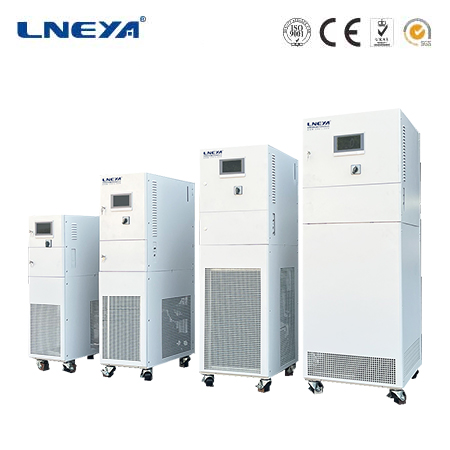
Chiller suppliers offer a wide array of chiller types, each designed to meet specific cooling requirements, environmental conditions, and operational demands. Understanding the types of chillers available through suppliers is key to selecting the right system.
Air-cooled chillers are among the most common offerings, using ambient air to dissipate heat from the refrigerant via a fan-driven condenser. They are easy to install, require no external water source, and are suitable for applications with moderate heat loads, such as small manufacturing facilities or commercial buildings. Suppliers typically provide air-cooled chillers in various sizes, from compact units (5–50 tons of refrigeration) to larger models (50–500 tons), with options for scroll, reciprocating, or screw compressors based on efficiency needs.
Water-cooled chillers rely on an external water source (e.g., cooling tower, municipal water) to remove heat from the refrigerant, offering higher efficiency than air-cooled models, especially in high-temperature environments. They are ideal for large-scale applications with high heat loads, including data centers, chemical plants, and hospitals. Suppliers offer water-cooled chillers with capacities ranging from 10 tons to over 1,000 tons, featuring centrifugal or screw compressors for optimal performance. Many suppliers also provide auxiliary equipment for these systems, such as cooling towers and water treatment units, to ensure seamless operation.
Portable chillers, including both air-cooled and water-cooled variants, are lightweight, mobile units designed for temporary or flexible cooling needs. Suppliers offer these for applications like field testing, event cooling, or backup systems, with capacities typically between 0.5 and 50 tons. Portable chillers often come with features like casters, quick-connect fittings, and user-friendly controls, making them easy to deploy and operate.
Specialized chillers cater to niche applications, and suppliers with expertise in specific industries provide these. Examples include low-temperature chillers (capable of sub-zero temperatures for cryogenic processes), explosion-proof chillers (for hazardous environments like oil refineries), and food-grade chillers (with stainless steel components and food-safe fluids for the food and beverage industry). Suppliers may also offer custom-built chillers designed to meet unique specifications, such as unusual temperature ranges, space constraints, or integration with existing systems.
Chiller suppliers offer a suite of services beyond just selling equipment, ensuring that customers receive comprehensive support throughout the chiller’s lifecycle. Consultation and needs assessment are often the first steps: suppliers work with customers to analyze their cooling requirements, including heat load, temperature range, flow rate, and environmental conditions. This involves site visits, data collection (e.g., equipment heat output, ambient temperature), and analysis to recommend the most suitable chiller type and size.
Customization is a key service for customers with unique needs. Suppliers may modify standard chiller designs to fit specific space constraints, integrate with existing control systems, or meet industry-specific standards (e.g., ISO, FDA, or ATEX for hazardous areas). Customization can include adding specialized components like variable-speed pumps, remote monitoring sensors, or corrosion-resistant materials for harsh environments.
Installation and commissioning ensure that the chiller is set up correctly and operates as intended. Suppliers coordinate with certified technicians to install the chiller, connect it to the process equipment and utilities (electrical, water), and perform initial testing. Commissioning involves calibrating controls, verifying temperature precision, and ensuring safety features (e.g., high-temperature alarms, pressure relief valves) function properly. This step is critical to avoiding performance issues or safety hazards post-installation.
Maintenance and repair services are essential for maximizing chiller lifespan and efficiency. Suppliers offer preventive maintenance plans, which include regular inspections, cleaning of heat exchangers, refrigerant level checks, and filter replacements. They also provide emergency repair services, with technicians available to diagnose and fix issues like compressor failures, pump malfunctions, or refrigerant leaks. Many suppliers offer remote monitoring as part of maintenance packages, allowing real-time tracking of chiller performance and early detection of potential problems.
Training and technical support help customers operate and maintain chillers effectively. Suppliers provide training sessions for staff on topics like control system operation, basic troubleshooting, and safety protocols. They also offer ongoing technical support via phone, email, or online portals, where customers can access manuals, troubleshooting guides, or software updates. For complex systems, suppliers may assign a dedicated technical representative to address long-term support needs.
Replacement and upgrade services assist customers when their chiller reaches the end of its lifecycle or needs to be upgraded. Suppliers evaluate whether repairing the existing unit is cost-effective or if replacement is necessary, considering factors like energy efficiency improvements, maintenance costs, and regulatory changes (e.g., new refrigerant standards). They can also upgrade older chillers with modern components (e.g., variable-frequency drives, smart controllers) to enhance performance and reduce energy consumption.
Choosing the right chiller supplier is a critical decision that impacts the performance, reliability, and cost-effectiveness of the cooling system. Several factors should be considered to ensure a successful partnership.
Industry expertise and reputation are key indicators of a supplier’s reliability. Look for suppliers with a proven track record in your industry—for example, a supplier with experience in healthcare will better understand the strict temperature control and hygiene requirements of hospitals. Customer reviews, case studies, and references can provide insights into a supplier’s performance, including their responsiveness to issues and the quality of their service.
Product range and availability ensure that the supplier can meet current and future needs. A supplier with a diverse product portfolio (air-cooled, water-cooled, specialized chillers) is more likely to have a solution that fits your application, avoiding the need to work with multiple suppliers. Availability is also important: suppliers with local warehouses or partnerships with manufacturers can deliver chillers quickly, reducing lead times for urgent projects.
Technical capabilities and customization are essential for complex or unique applications. Evaluate the supplier’s ability to customize chillers, including their engineering team’s expertise and access to specialized components. Suppliers with in-house design capabilities can often provide more tailored solutions than those offering only off-the-shelf products.
Service network and response time directly impact downtime in case of issues. Choose a supplier with a network of local technicians to ensure prompt installation, maintenance, and repairs. Inquire about their average response time for emergency service—ideally, this should be within 24 hours for critical applications where downtime is costly (e.g., data centers or pharmaceutical production).
Cost and value go beyond the initial purchase price. Compare total cost of ownership (TCO), which includes installation, energy consumption, maintenance, and potential downtime. A slightly more expensive chiller with higher energy efficiency or a comprehensive maintenance plan may offer better long-term value than a cheaper unit with higher operating costs. Be wary of suppliers who focus solely on low prices without addressing service or quality.
Compliance and certifications ensure that the chiller meets industry standards and regulations. Suppliers should provide documentation verifying that their chillers comply with relevant safety, efficiency, and environmental standards (e.g., CE marking in Europe, UL listing in the U.S., or EPA regulations for refrigerants). For regulated industries like pharmaceuticals or food processing, suppliers must demonstrate adherence to GMP (Good Manufacturing Practice) or FDA guidelines.
Sustainability practices are increasingly important as businesses prioritize environmental responsibility. Look for suppliers that offer energy-efficient chillers (e.g., with high EER or SEER ratings), use low-global-warming-potential (GWP) refrigerants, and have recycling programs for old chillers. Suppliers with sustainability certifications (e.g., ISO 14001) demonstrate a commitment to reducing environmental impact.
The chiller supply industry is shaped by evolving technology, regulatory changes, and shifting customer demands, with several key trends influencing how suppliers operate and serve their clients.
Digitalization and smart technology are transforming chiller offerings. Suppliers are integrating IoT (Internet of Things) sensors and cloud-based platforms into chillers, enabling remote monitoring, predictive maintenance, and data-driven optimization. Smart chillers can automatically adjust cooling output based on real-time heat loads, reducing energy consumption. Suppliers are also offering software tools that analyze chiller performance data to identify efficiency gains or predict failures before they occur, minimizing downtime.
Focus on energy efficiency and sustainability is driven by global efforts to reduce carbon emissions. Suppliers are prioritizing the development and distribution of high-efficiency chillers, such as those with variable-speed compressors, heat recovery systems, or low-GWP refrigerants (e.g., HFO-1234ze, CO₂). Many suppliers now offer energy audits as part of their consultation services, helping customers calculate potential energy savings and return on investment for upgrading to more efficient systems.
Regionalization and local support are becoming more important as supply chains face disruptions. Suppliers are expanding their local presence, with warehouses, service centers, and technical teams in key regions to reduce delivery times and improve response rates. This is particularly valuable for customers in remote areas or those with urgent cooling needs, as local support minimizes delays in installation, maintenance, or repairs.
Specialization in niche markets is a growing trend, with suppliers focusing on specific industries to offer deeper expertise. For example, some suppliers specialize in data center cooling, offering chillers optimized for high-density server racks and integration with liquid cooling systems. Others focus on laboratory chillers, ensuring compliance with strict temperature precision and documentation requirements for research facilities. This specialization allows suppliers to provide more tailored solutions and better understand industry-specific challenges.
Circular economy practices are emerging as suppliers aim to reduce waste. This includes offering chiller recycling programs, where old units are disassembled, and components are reused or recycled. Suppliers are also designing chillers with modular components that can be easily repaired or upgraded, extending their lifespan and reducing the need for full replacement. Some suppliers offer rental or leasing options for chillers, providing a more sustainable alternative to purchasing for short-term or variable cooling needs.
In conclusion, chiller suppliers are vital partners in ensuring effective and reliable cooling for diverse industrial, commercial, and scientific applications. By offering a range of chiller types, technical expertise, and comprehensive services—from consultation to maintenance—they help customers select, install, and maintain systems that meet their specific needs. When choosing a supplier, factors such as industry expertise, service network, and commitment to sustainability should be carefully evaluated to ensure a successful long-term partnership. As technology advances, suppliers are adapting to offer smarter, more efficient, and specialized solutions, playing a key role in driving innovation and sustainability in cooling systems. Understanding the role and capabilities of chiller suppliers is essential for any organization seeking to implement or upgrade its cooling infrastructure.

Introduction to Thermal Chamber Testing Procedure Thermal chamber testing is a critical process used to evaluate the performance and reliability of materials, components, and products when expo...
View detailsIntroduction to Chiller CostsChillers are vital for maintaining optimal temperatures in commercial and industrial settings, and their costs are influenced by several factors. Understanding these f...
View details
Definition and Core PurposeChiller: A chiller is a complex refrigeration system designed to generate chilled water or another coolant, which is then circulated to absorb heat from large spaces, i...
View detailsWater Chillers: An In-Depth Analysis Introduction to Water ChillersWater chillers, also known as chilled water systems, are integral to heating, ventilating, air conditioning, and refrigeration...
View details

HelloPlease log in