 LNEYA Thermal Test Chillers

SEARCH WHAT YOU WANT
Enter keyword or product model
Search allProduct
SEARCH
Gas Cooling Chiller
Water-Cooled Chiller: Efficient Heat Rejection for HVAC Systems
A water-cooled chiller is a type of HVAC equipment that utilizes water as a medium for heat rejection, offering a more efficient cooling solution compared to air-cooled alternatives. These chillers are commonly used in commercial and industrial buildings where efficient temperature control is crucial.
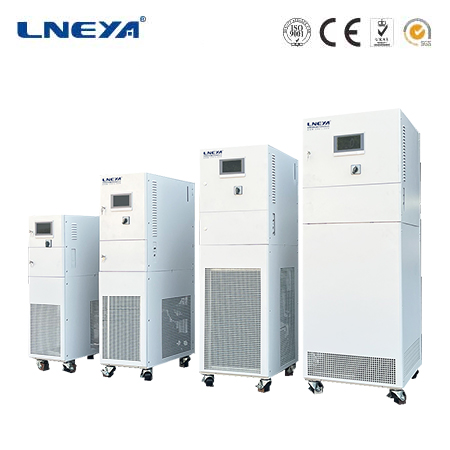
Key Components of Water-Cooled Chillers
Evaporator: Where the refrigerant absorbs heat from the water.
Compressor: Compresses the refrigerant to increase its temperature and pressure.
Condenser: Releases heat from the refrigerant to the water, which is then cooled in the cooling tower.
Expansion Valve: Regulates the flow of refrigerant into the evaporator.
Advantages of Water-Cooled Chillers
Efficiency: Water’s higher heat capacity allows for more efficient heat transfer compared to air.
Reliability: Designed for continuous operation, ensuring consistent cooling performance.
Scalability: Suitable for a wide range of cooling capacities, from small to large-scale applications.
Applications of Water-Cooled Chillers
These chillers are used in various applications, including:
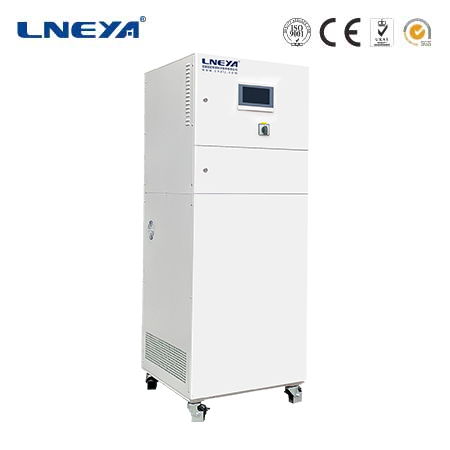
Commercial Buildings: For cooling large spaces such as malls, offices, and hotels.
Industrial Processes: In manufacturing and production facilities that require precise temperature control.
Data Centers: To maintain optimal temperatures for servers and IT equipment.
Selecting the Right Water-Cooled Chiller
When selecting a water-cooled chiller, consider:
Cooling Capacity: Ensure the chiller can meet the cooling demands of the application.
Energy Efficiency: Look for chillers with high Energy Efficiency Ratios (EERs) to reduce operational costs.
Refrigerant Type: Choose chillers with environmentally friendly refrigerants.
Maintenance and Operation
Proper maintenance of water-cooled chillers includes:
Regular Inspections: Checking for leaks, corrosion, and wear in the system.
Filter Cleaning: Ensuring that water filters are clean to maintain optimal heat exchange efficiency.
Oil Changes: Replacing compressor oil as recommended by the manufacturer.
Environmental Considerations
Water-cooled chillers can contribute to environmental sustainability by using water for heat rejection, which is a more natural and abundant resource compared to air. The use of eco-friendly refrigerants further reduces their environmental impact.
Conclusion
Water-cooled chillers provide an efficient and reliable cooling solution for a variety of applications. By understanding their key components, advantages, and the factors involved in their selection and maintenance, users can ensure optimal performance and reliability in their cooling processes. The advancements in chiller technology have made these systems more accessible and efficient for a wide range of operations.
This article provides a comprehensive guide to water-cooled chillers, discussing their key components, advantages, applications, and the considerations for their selection and maintenance. It emphasizes the importance of choosing the right chiller for specific cooling needs and highlights the advancements in cooling technology that have made these systems more accessible and efficient.

Introduction to Thermal Liquid Heating Systems Thermal liquid heating systems, also known as hot oil or heat transfer fluid systems, are engineered to transfer heat generated from a central hea...
View details
4 Ton Air-Cooled Chiller: Specifications and Applications In industrial and commercial settings, the demand for reliable and efficient cooling systems is paramount. A 4-ton air-cooled chiller i...
View details
Understanding Low Pressure Chillers Low pressure chillers represent a class of refrigeration systems that operate at pressures below atmospheric pressure. This design allows for the use of refr...
View detailsChilling Unit Operation: Understanding the Basics and Beyond Chilling units play a critical role in a wide range of cooling applications, from food processing to industrial processes. These uni...
View details

HelloPlease log in