 LNEYA Thermal Test Chillers

SEARCH WHAT YOU WANT
Enter keyword or product model
Search allProduct
SEARCH
Gas Cooling Chiller
Understanding the Importance of Chiller Logs
A chiller log is a detailed record of the operation and maintenance of an industrial water chiller. It serves as a comprehensive document that helps in monitoring the chiller’s performance, scheduling maintenance, and troubleshooting issues. The log typically includes data such as temperatures, pressures, fluid levels, flow rates, and motor amperage.
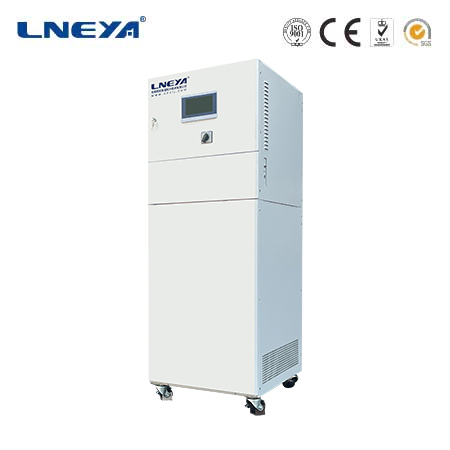
Components of a Chiller Log
The chiller log is not just a single record but a collection of various parameters that indicate the chiller’s health and performance. Key components typically found in a chiller log include:
Temperature Readings: Both chilled water and condenser water temperatures are recorded to ensure they fall within the desired setpoints.
Pressure Readings: Monitoring pressures in the evaporator and condenser helps detect any blockages or leaks in the system.
Fluid Levels: Checking the coolant and oil levels ensures that the chiller components are properly lubricated and that there are no leaks.
Flow Rates: Recording the water flow rates confirms that the chiller is receiving the necessary amount of water for heat exchange.
Motor Amperage: Tracking motor amperage can indicate if the chiller’s compressor is operating within its designed parameters.
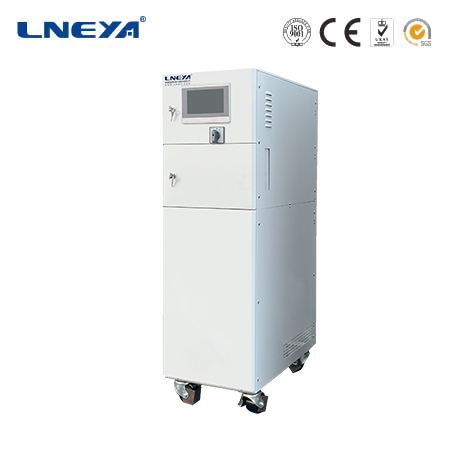
Why Chiller Logs are Essential
Chiller logs are essential for several reasons:
Preventive Maintenance: Regular logging helps in identifying patterns or trends that may indicate a potential failure, allowing for proactive maintenance to prevent system downtime.
Efficiency Monitoring: By tracking performance metrics, plant operators can ensure that the chiller is operating at peak efficiency, which can lead to significant energy savings.
Troubleshooting: When issues arise, the chiller log provides a historical context that can aid in quickly diagnosing and resolving problems.
Compliance and Documentation: For facilities with strict operational standards, maintaining a chiller log can be a requirement for compliance with industry regulations and insurance requirements.
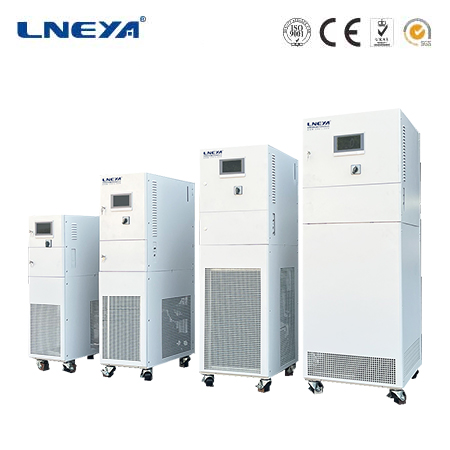
Best Practices for Maintaining a Chiller Log
To ensure the effectiveness of a chiller log, it’s important to follow these best practices:
Daily Recording: Ensure that the log is updated daily with all relevant data points.
Accuracy: Make sure that all readings are accurate and recorded in a clear and legible manner.
Consistency: Use the same log format and record data at the same time each day to maintain consistency.
Analysis: Regularly analyze the data to identify any deviations from normal operating parameters.
Maintenance Scheduling: Use the chiller log to schedule routine maintenance tasks such as cleaning condenser tubes, checking refrigerant levels, and inspecting for leaks.
Conclusion
A well-maintained chiller log is an indispensable tool for any facility that relies on industrial water chillers. It provides a clear record of the chiller’s performance, aids in preventive maintenance, and helps in the early detection of potential issues. By following best practices for maintaining a chiller log, facilities can ensure the reliability and efficiency of their chiller systems, ultimately saving time and resources in the long run.

Chiller Engineering: An In-Depth Analysis Chiller engineering is a specialized field within the broader domain of heating, ventilation, and air conditioning (HVAC) systems. Chillers are essenti...
View details
What is Industrial Chiller Service? Industrial chiller service refers to the professional maintenance, repair, and optimization of cooling systems used in industrial applications. These service...
View detailsUnderstanding 5 Ton Chiller Compressor PricesA 5-ton chiller compressor (providing 60,000 BTU/hr cooling capacity) is a critical component in commercial and industrial cooling systems. This compre...
View details
Understanding Eco Chillers Eco chillers are a class of chiller systems that prioritize energy efficiency and minimal environmental impact. They are engineered to consume less power, use environ...
View details

HelloPlease log in