 LNEYA Thermal Test Chillers

SEARCH WHAT YOU WANT
Enter keyword or product model
Search allProduct
SEARCH
Gas Cooling Chiller
Chiller 20 Ton
A 20-ton chiller refers to a refrigeration unit with a cooling capacity of 20 tons of refrigeration (TR). One ton of refrigeration is equivalent to the amount of heat required to melt one ton of ice at 0°C in 24 hours, which is approximately 12,000 British Thermal Units (BTUs) per hour. So, a 20-ton chiller has a cooling capacity of around 240,000 BTUs per hour. This type of chiller is commonly used in medium to large-scale industrial, commercial, and institutional applications.
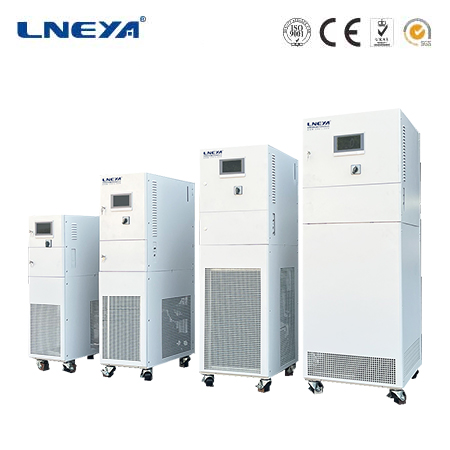
There are mainly two types of 20-ton chillers: air-cooled and water-cooled. Air-cooled 20-ton chillers utilize ambient air to dissipate the heat absorbed from the cooling process. They consist of a compressor that compresses the refrigerant, raising its temperature and pressure. The hot, high-pressure refrigerant then flows to the condenser, where it releases heat to the surrounding air and condenses into a liquid. After that, the liquid refrigerant passes through an expansion valve, which reduces its pressure and temperature, and enters the evaporator. In the evaporator, the refrigerant absorbs heat from the area or process being cooled, turning back into a gas, and the cycle repeats. Air-cooled chillers are often chosen for applications where a water supply for cooling is not readily available or when installation simplicity is a priority.
Water-cooled 20-ton chillers, on the other hand, use water as the medium for heat rejection. They typically have a more complex setup as they require a cooling tower or a water source. The principle of operation is similar to that of air-cooled chillers up to the condenser stage. In a water-cooled chiller, the condenser transfers heat from the refrigerant to the water. The heated water is then sent to a cooling tower, where it is cooled by the evaporation of a portion of the water, and the cooled water is recirculated back to the condenser. Water-cooled chillers are generally more efficient than air-cooled ones, especially in large-scale applications where the additional infrastructure for water circulation can be justified.
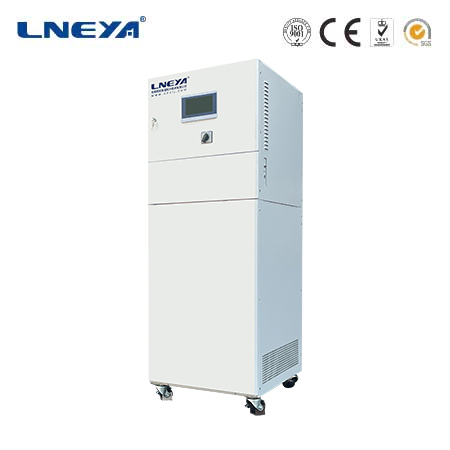
The key components of a 20-ton chiller play vital roles in its operation. The compressor is the heart of the chiller, responsible for compressing the refrigerant and maintaining the pressure differential necessary for the refrigeration cycle. The condenser is where the heat transfer from the refrigerant to the cooling medium (air or water) occurs. The evaporator is where the refrigerant absorbs heat from the area to be cooled. Additionally, there are components like the expansion valve, which controls the flow of refrigerant and reduces its pressure, and various sensors and controls that monitor and regulate the operation of the chiller.
When installing a 20-ton chiller, several factors need to be considered. Adequate space for the chiller and its associated components, proper ventilation for air-cooled chillers, and a reliable water supply and drainage system for water-cooled chillers are essential. Also, the electrical connections need to be properly installed and rated to handle the power requirements of the chiller.
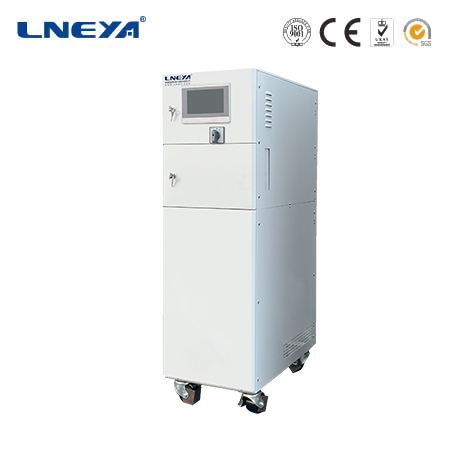
Maintenance is crucial for the efficient operation of a 20-ton chiller. Regular cleaning of the condenser and evaporator coils to remove dirt and debris that can impede heat transfer is necessary. Checking and replenishing the refrigerant levels, lubricating moving parts, and inspecting the electrical components for any signs of wear or damage are also part of the maintenance routine.
Energy efficiency is an important aspect of a 20-ton chiller. Look for chillers with high Energy Efficiency Ratio (EER) or Coefficient of Performance (COP) ratings. Some modern 20-ton chillers come with features like variable speed drives for the compressor, which can adjust the compressor’s speed according to the cooling load, thereby reducing energy consumption.
When selecting a 20-ton chiller, it is important to consider the specific requirements of the application, such as the required cooling temperature, the size of the area to be cooled, and the operating environment. Emerging trends in 20-ton chiller technology include the integration of smart controls for better monitoring and optimization, and the use of more environmentally friendly refrigerants to comply with changing regulations.
In conclusion, a 20-ton chiller is a powerful cooling solution with diverse applications. Understanding its types, components, installation, maintenance, and energy efficiency aspects is essential for making the most of this equipment and ensuring its reliable and efficient operation.

Difference between Chiller and Cooler In the realm of cooling technology, the terms "chiller" and "cooler" are often used, but they refer to different types of equipment with distinct character...
View details
Understanding Chiller Layout A chiller layout is the configuration of components within a chiller system, designed to optimize cooling efficiency and performance. Chiller systems are essential ...
View details
Adiabatic Chillers: An In - Depth Exploration Introduction In the pursuit of more energy - efficient and sustainable cooling solutions, adiabatic chillers have emerged as a promising techn...
View detailsA 250 ton chiller is a powerful and substantial piece of cooling equipment designed to handle large-scale cooling requirements. With a cooling capacity of 250 tons, which equates to the removal of...
View details

HelloPlease log in