 LNEYA Thermal Test Chillers

SEARCH WHAT YOU WANT
Enter keyword or product model
Search allProduct
SEARCH
Gas Cooling Chiller
Laboratory Heaters: Types, Applications, and Safety
Laboratory heaters are essential for maintaining precise temperature control in various scientific applications. They are used for a wide range of tasks, from incubating samples to facilitating enzyme reactions and determining the melting and boiling points of substances.
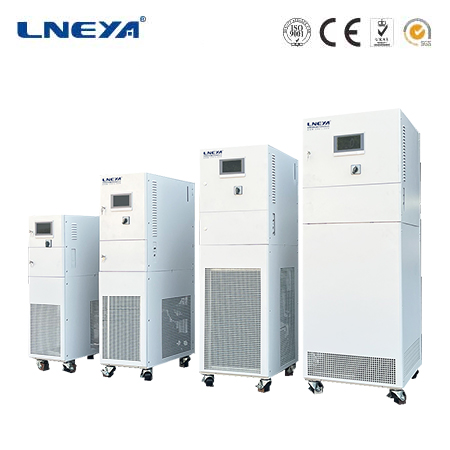
Types of Laboratory Heaters
Hot Plates: These are commonly used for heating beakers, flasks, and other containers directly. They provide a flat surface with controlled heat, allowing for uniform heating of the container’s bottom.
Oil Baths: Oil baths use a high-boiling-point oil as the heat transfer medium. They are capable of maintaining a constant temperature and are used for applications that require a stable, even heat source over an extended period.
Dry Ovens: Dry ovens are used for drying glassware, sterilizing equipment, conducting heat treatments, and removing moisture from samples. They can operate at higher temperatures than hot plates or oil baths.
Applications of Laboratory Heaters
Laboratory heaters are used in various applications across different scientific fields:
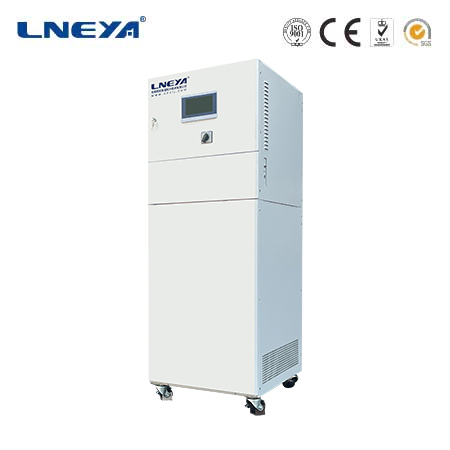
Incubation: Heaters are used to maintain the optimal temperature for the growth of microorganisms or the incubation of samples.
Chemical Reactions: Many chemical reactions require heat to proceed at a reasonable rate. Laboratory heaters provide the necessary temperature to accelerate these reactions.
Immunoassays: In immunology, heaters are used to speed up the binding of antibodies to antigens, a process that can be temperature-dependent.
Melting and Boiling Points: Determining the physical properties of substances, such as their melting and boiling points, often requires precise temperature control.
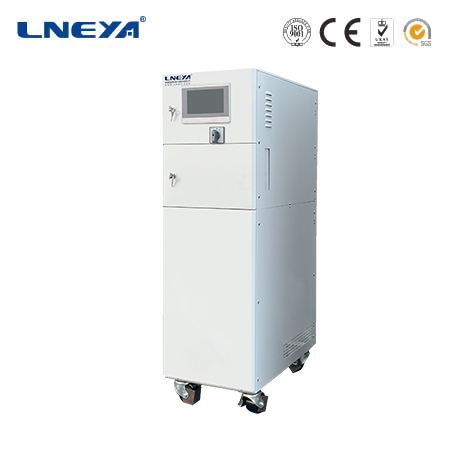
Safety Features of Laboratory Heaters
Safety is a paramount concern when working with laboratory heaters. Features like automatic shut-off and fail-safe mechanisms are designed to prevent overheating and potential fires. These features shut down the heating element or flame when it exceeds a predetermined temperature limit or after a set time has passed. Additionally, these systems can stop the heating process or issue an alert when abnormal conditions are detected, such as a failure or malfunction.
Conclusion
Laboratory heaters are crucial for a multitude of scientific procedures that require precise temperature control. Understanding the different types of heaters, their applications, and the safety features associated with them is essential for maintaining accurate and safe experimental conditions. By choosing the appropriate heater for the task and adhering to safety protocols, researchers can ensure that their laboratory work is both effective and secure.

The chiller manufacturing industry in the United States is a dynamic and integral part of the global cooling technology landscape. Chillers are essential devices for maintaining optimal temperatur...
View details
Portable Heater Temperature Control: Ensuring Comfort and Safety Portable heaters are widely used in homes, offices, workshops, and other settings where localized heating is required. Effective...
View details
What is Industrial Chiller Service? Industrial chiller service refers to the professional maintenance, repair, and optimization of cooling systems used in industrial applications. These service...
View detailsWater-Cooled Package Systems: Integrated HVAC Solutions for Commercial and Industrial Applications Water-cooled package systems are comprehensive HVAC systems that provide cooling and heating i...
View details

HelloPlease log in