 LNEYA Thermal Test Chillers

SEARCH WHAT YOU WANT
Enter keyword or product model
Search allProduct
SEARCH
Gas Cooling Chiller
Understanding Chillers Equipment
Chillers are refrigeration systems designed to remove heat from a liquid through a vapor-compression or absorption refrigeration cycle. They are widely used in industrial and commercial settings to cool fluids or dehumidify air, ensuring efficient operation of equipment and comfort in indoor environments.
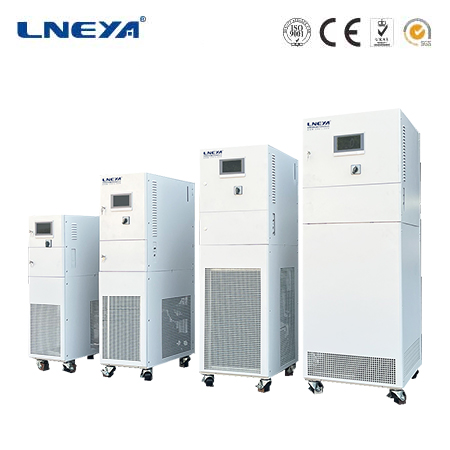
Chillers operate by circulating a refrigerant through a closed loop, absorbing heat from the process or environment and dissipating it elsewhere. The basic cycle involves:
Evaporation: The refrigerant evaporates in the evaporator, absorbing heat from the liquid or air being cooled.
Compression: The vaporized refrigerant is compressed, raising its temperature and pressure.
Condensation: The high-pressure vapor is cooled in the condenser, releasing heat to the environment and converting back to a liquid.
Expansion: The refrigerant passes through an expansion valve, reducing its pressure and temperature before returning to the evaporator.
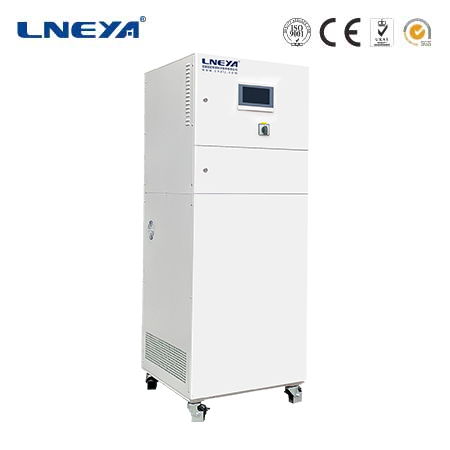
Chillers can be classified into several types based on their cooling method and application:
Air-Cooled Chillers: These use ambient air to cool the refrigerant and are commonly found in commercial applications. They are self-contained units that do not require a separate cooling tower.
Water-Cooled Chillers: Utilizing water as the cooling medium, these chillers are more efficient than air-cooled models and are often used in larger facilities that have access to a cooling tower.
Absorption Chillers: These chillers use heat sources, such as natural gas or steam, to drive the cooling process. They are ideal for applications where waste heat is available.
Recirculating Chillers: Designed for laboratory and industrial applications, these chillers maintain precise temperature control and can achieve sub-ambient temperatures.
Chillers are utilized across various industries, including:
Manufacturing: Maintaining optimal temperatures for processes such as plastic molding, food processing, and chemical production.
HVAC Systems: Providing cooling for commercial buildings, shopping malls, and residential complexes.
Data Centers: Regulating temperatures for servers and IT equipment to prevent overheating.
Medical Applications: Ensuring precise temperature control for medical imaging equipment and pharmaceutical storage.
The chiller market is experiencing growth driven by several factors:
Energy Efficiency: There is a growing demand for energy-efficient chillers to reduce operational costs and environmental impact. Technologies such as variable speed drives and advanced control systems are becoming standard.
Sustainability: The industry is moving towards more sustainable practices, including the use of natural refrigerants and systems designed to minimize energy consumption.
Technological Advancements: Innovations such as IoT integration for real-time monitoring and predictive maintenance are enhancing the efficiency and reliability of chiller systems.
Energy efficiency is a critical consideration in the chiller industry. Chillers account for a significant portion of energy consumption in commercial and industrial facilities. Implementing energy-efficient chillers can lead to substantial cost savings and reduced carbon footprints. The use of advanced technologies, such as heat recovery systems and smart controls, further enhances energy efficiency.
Conclusion
Chillers equipment plays a vital role in various industrial and commercial applications, ensuring optimal temperature control and operational efficiency. Understanding the working principles, types, applications, and market trends is essential for selecting the right chiller equipment. As the industry continues to evolve, the focus on energy efficiency and sustainability will shape the future of chillers, making them an integral part of modern industrial processes.

How to prevent the compression ratio of cryo chiller from being too high? 1. It should be considered to choose appropriate refrigerant to control the compression ratio of industrial chi...
View details
Introduction to Cool Water Systems Cool water systems are crucial in various industrial processes where heat generation is a common byproduct. These systems help regulate temperatures, prevent ...
View details
The 5-ton chiller compressor market in Australia is influenced by a variety of factors that contribute to its price and performance. This article offers an in-depth look at the cost factors, marke...
View details
How to deal with abnormal flow rate of the circulating pump of the refrigerated chiller? Abnormal flow rate of the circulating pump of the freezer may lead to a decrease in cooling effe...
View details

HelloPlease log in