 LNEYA Thermal Test Chillers

SEARCH WHAT YOU WANT
Enter keyword or product model
Search allProduct
SEARCH
Gas Cooling Chiller
Water Cooling and Heating Machines: Versatile Temperature Control Solutions
Water cooling and heating machines, commonly referred to as chillers, play a critical role in maintaining optimal temperatures in a variety of settings. These systems operate by circulating water through a process or space, either absorbing heat to cool or releasing heat to warm the area. This article explores the technology, efficiency, applications, and market trends of water cooling and heating machines.
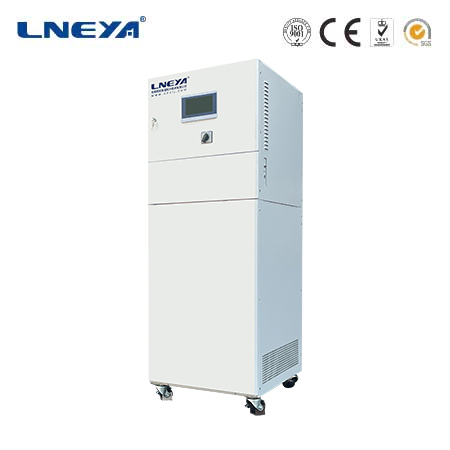
Technology and Efficiency
Water cooling and heating machines employ advanced technology to ensure high efficiency and precise temperature control. Some key technological features include:
Variable Frequency Drive (VFD) Compressors: These compressors adjust their speed based on the cooling demand, which can significantly reduce energy consumption and noise levels.
Eco-Friendly Refrigerants: Modern chillers use refrigerants with low Global Warming Potential (GWP) to minimize environmental impact, such as R410A.
High-Precision Temperature Control: Some chillers can maintain water temperature within a range of +/-0.5°C, which is crucial for sensitive processes.
Applications
Water cooling and heating machines are used in a wide range of applications:
Commercial Buildings: They are used in HVAC systems to provide cooling for offices, malls, hotels, and other commercial spaces.
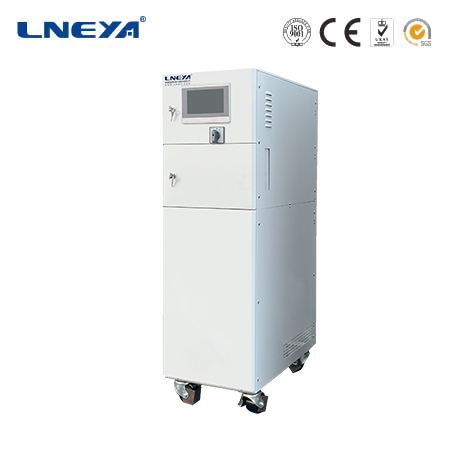
Industrial Processes: In manufacturing and processing industries, these machines are essential for maintaining precise temperatures for processes and equipment.
HVAC Systems: They are integrated into HVAC systems to provide cooling and heating, improving comfort and energy efficiency in buildings.
Market Trends
The market for water cooling and heating machines is influenced by several trends:
Energy Efficiency: There is a growing demand for energy-efficient chillers, with advancements in technology such as VFD compressors and heat recovery systems.
Sustainability: The use of low GWP refrigerants is becoming standard to reduce the environmental impact of chiller systems.
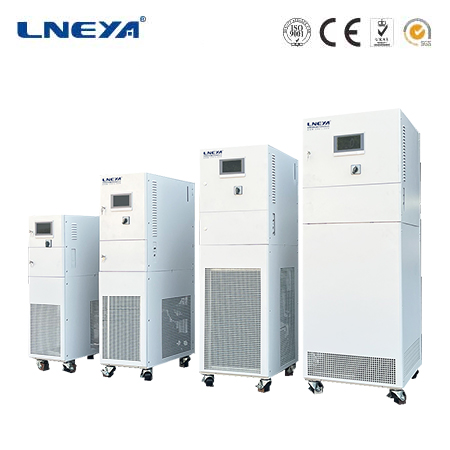
Smart Technology: Integration of AI and IoT is enabling more precise control of chiller operations, leading to energy savings and improved performance.
Hybrid Systems: Researchers are exploring hybrid systems that combine water cooling and heating machines with other technologies, such as solar power or desiccant cooling, to enhance performance and sustainability.
Conclusion
Water cooling and heating machines are versatile temperature control solutions that are essential in various industries and applications. As technology continues to advance, these machines are becoming more efficient, sustainable, and intelligent. The focus on energy efficiency, the use of low GWP refrigerants, and the integration of smart technology are driving the market towards more innovative and environmentally friendly solutions. These advancements are crucial for meeting the diverse needs of modern facilities while reducing their environmental impact.

How many degrees does a 300 ton chiller usually need to be adjusted? The adjustment temperature of the 300 ton chiller unit varies depending on the specific situation and needs to be ad...
View details
Small Heating System: Efficient and Sustainable Heating Solutions Small heating systems are increasingly popular for their ability to provide localized heating or serve as a primary heating sou...
View details
Understanding Thermal Oil Heaters Thermal oil heaters are a type of heat transfer fluid electric boiler designed to heat process fluids in industrial applications. They operate by using electri...
View detailsWater Cooling Machine Manufacturers: Providing Efficient Cooling Solutions Water cooling machine manufacturers offer a variety of equipment designed to meet the cooling needs of different indus...
View details

HelloPlease log in