 LNEYA Thermal Test Chillers


SEARCH WHAT YOU WANT
Enter keyword or product model
Search allProduct
SEARCH
Gas Cooling Chiller
Water Chiller Heaters: Dual Functionality for Efficient Temperature Control
Water chiller heaters are versatile systems designed to provide both cooling and heating by utilizing a refrigeration cycle. These systems are crucial in various applications, including HVAC systems for buildings, industrial processes, and even in food and beverage production. By efficiently managing temperature, water chiller heaters contribute to energy savings and improved operational efficiency.
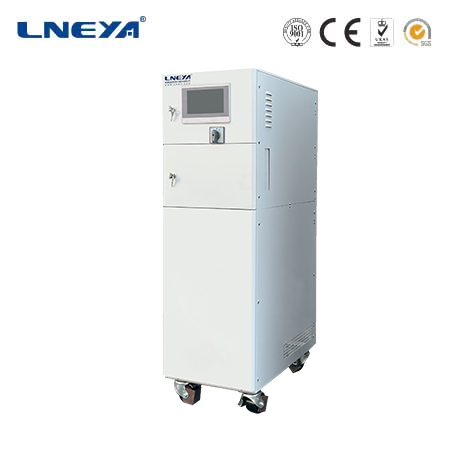
How Water Chiller Heaters Work
Water chiller heaters operate on the principle of the refrigeration cycle, which involves the following components:
Compressor: This component compresses the refrigerant, raising its pressure and temperature.
Condenser: The high-pressure refrigerant releases heat to the environment, condensing into a liquid.
Expansion Valve: The refrigerant passes through this valve, reducing its pressure and temperature.
Evaporator: The cold refrigerant absorbs heat from the water, cooling it down before it is circulated for use.
In heating mode, the process can be reversed, allowing the system to provide hot water for various applications.
Applications of Water Chiller Heaters
Water chiller heaters are used in a wide range of applications, including:
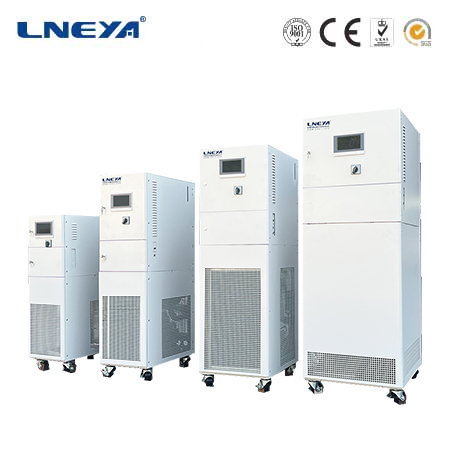
HVAC Systems: They provide efficient temperature control in commercial and residential buildings, ensuring comfort for occupants.
Industrial Processes: Many manufacturing processes require precise temperature control, making these systems essential for maintaining product quality.
Food and Beverage Industry: Water chiller heaters are used for cooling and heating processes in food production, ensuring safety and compliance with health regulations.
Market Trends and Technological Advancements
The market for water chiller heaters is growing due to several key trends:
Energy Efficiency: There is an increasing demand for energy-efficient systems that reduce operational costs and environmental impact. Advanced technologies, such as variable-speed drives and smart controls, enhance the efficiency of these systems.
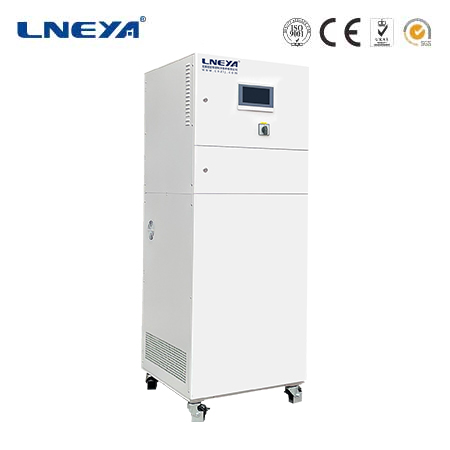
Heat Recovery Systems: Many modern water chiller heaters incorporate heat recovery systems that capture waste heat for reuse, further improving energy efficiency and sustainability.
Environmentally Friendly Refrigerants: The shift towards low Global Warming Potential (GWP) refrigerants is becoming a standard in the industry, aligning with global sustainability goals.
Conclusion
Water chiller heaters are integral to maintaining optimal temperatures in various applications, providing both cooling and heating functions. As the demand for energy-efficient and environmentally friendly solutions continues to rise, the market for these systems is expected to grow. With advancements in technology and a focus on sustainability, water chiller heaters will play a crucial role in the future of temperature control across multiple industries.

IntroductionIn the world of cooling systems, 30 - ton water chillers occupy a significant position, catering to a wide range of mid - to - large - scale cooling needs. With a cooling capacity of ...
View details
What happens when the temperature is too high when the air cooled water chiller system exhausts? The exhaust temperature of the compressor in the air-cooled chiller determines whether t...
View details
Investigating the cost of a 3-ton chiller reveals a complex landscape influenced by various factors, including the chiller's type, efficiency, additional features, and market trends. This article ...
View details
Introduction to Portable Liquid Chillers Portable liquid chillers are compact, movable units that remove heat from a liquid through a cycle of compression, condensation, and evaporation . These...
View details

HelloPlease log in