 LNEYA Thermal Test Chillers

SEARCH WHAT YOU WANT
Enter keyword or product model
Search allProduct
SEARCH
Gas Cooling Chiller
Temperature Process Control Systems: Ensuring Precision in Industrial Processes
Temperature process control systems are essential in maintaining the precise temperature conditions required for a multitude of industrial processes. These systems are designed to monitor and regulate temperatures, ensuring that processes run efficiently and consistently, which is vital for product quality and process safety.
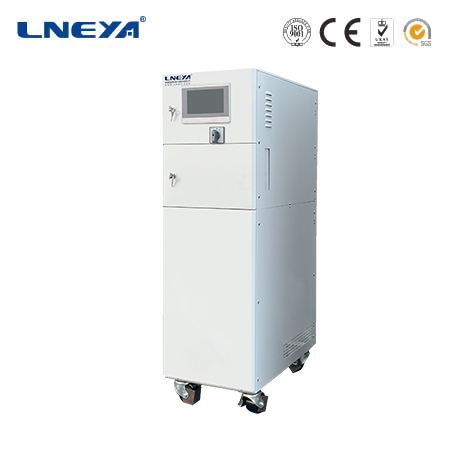
Key Components of Temperature Process Control Systems
Sensors: Devices that measure temperature and transmit this data to the control system.
Controllers: Units that receive data from sensors and compare it to the set point, making adjustments as necessary.
Actuators: Components that respond to the controller’s commands to adjust the temperature.
Applications of Temperature Process Control Systems
These systems are used in a variety of applications, including:
Chemical Processing: To maintain precise temperatures for chemical reactions.
Food and Beverage Industry: For temperature control in cooking, pasteurization, and fermentation processes.
Manufacturing: In the production of pharmaceuticals, plastics, and metals.
Design Considerations for Temperature Process Control Systems
When designing a temperature control system, consider:
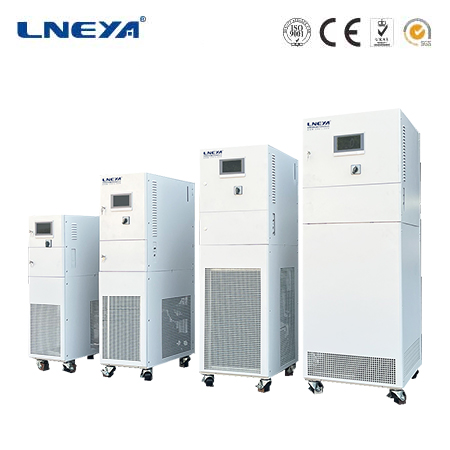
Accuracy: The system must accurately measure and control temperatures within a specified range.
Precision: Consistent temperature control is necessary for repeatable process outcomes.
Reliability: The system should operate reliably over time, with minimal downtime.
Maintenance and Calibration
Regular maintenance and calibration are essential for the optimal performance of temperature process control systems. This includes:
Calibration: Ensuring that sensors and controllers are accurately measuring and controlling temperatures.
Maintenance: Performing routine checks and servicing to prevent failures and prolong the system’s life.
Environmental and Energy Efficiency Considerations
Temperature process control systems can contribute to energy efficiency and environmental sustainability by optimizing energy use and reducing waste. The use of energy-efficient components and the implementation of smart control strategies can minimize energy consumption.
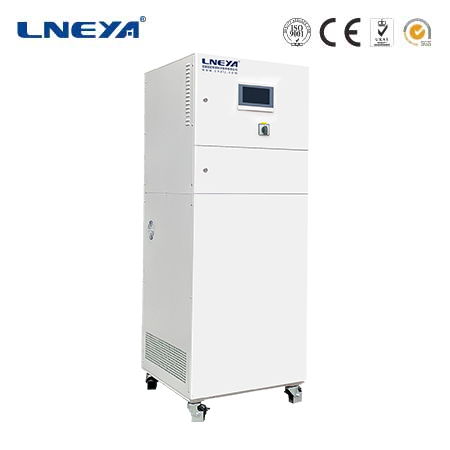
Conclusion
Temperature process control systems are indispensable for maintaining precise temperature conditions in various industrial processes. By understanding their components, applications, and the importance of design, maintenance, and environmental considerations, users can ensure the efficiency and reliability of these systems. The advancements in technology have made these systems more accessible and efficient, contributing to improved process control and product quality.
This article provides a comprehensive guide to temperature process control systems, discussing their key components, applications, and the considerations for their design and maintenance. It emphasizes the importance of accuracy, precision, and reliability in ensuring process efficiency and product quality, as well as the role of these systems in environmental sustainability and energy efficiency.

Temperature Control Chamber: A Comprehensive Guide Temperature control chambers play a crucial role in numerous industries and scientific research endeavors by providing a controlled environme...
View details
IntroductionIn the dynamic realm of industrial activities, maintaining precise temperature control is often the linchpin for the success of numerous processes. Process coolers emerge as essential ...
View detailsScroll Water Chiller: Technology and Efficiency Scroll water chillers are a type of HVAC equipment that utilize scroll compressor technology to provide efficient and reliable cooling. These chi...
View details
Medical Chillers: High-Precision Temperature Control Solutions Medical chillers play a critical role in the healthcare industry, providing precise temperature control for medical equipment, lab...
View details

HelloPlease log in