 LNEYA Thermal Test Chillers

SEARCH WHAT YOU WANT
Enter keyword or product model
Search allProduct
SEARCH
Gas Cooling Chiller
Energy-Efficient Heating and Cooling Systems: Towards Sustainable Comfort
The demand for energy-efficient heating and cooling systems has never been higher. As global temperatures rise and urbanization progresses, the need to provide comfortable indoor environments while minimizing environmental impact is more critical than ever. Energy-efficient heating and cooling systems play a vital role in achieving this balance, offering innovative solutions that reduce energy consumption and greenhouse gas emissions.
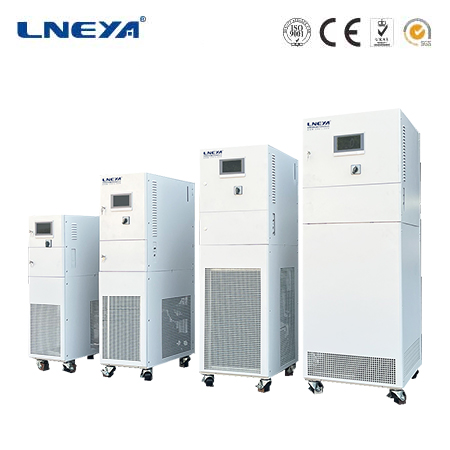
Importance of Energy-Efficient Systems
The building sector is a significant contributor to global energy consumption, accounting for approximately 40% of global energy use. Heating, ventilation, and cooling (HVAC) systems are among the most energy-intensive components in buildings. Therefore, improving the efficiency of these systems is crucial for reducing energy waste and achieving zero-energy buildings .
Energy-efficient heating and cooling systems not only reduce operational costs but also decrease the carbon footprint of buildings. By minimizing the use of non-renewable energy sources, these systems contribute to a more sustainable future and help mitigate the effects of climate change.
Types of Energy-Efficient Systems
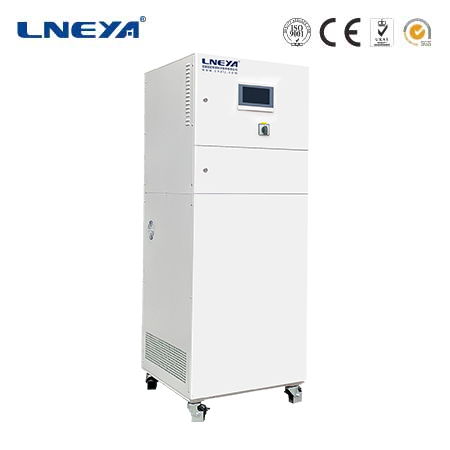
There are various types of energy-efficient heating and cooling systems, each with its own advantages and applications:
High-Performance HVAC Systems: These systems use advanced technologies like variable-speed compressors and smart thermostats to optimize energy use. They can adjust operation based on actual conditions and occupancy patterns, providing comfort while conserving energy .
Passive Cooling Techniques: In areas with temperate climates, passive cooling strategies offer environmentally friendly alternatives to traditional cooling approaches. Strategies such as night purging, cross-ventilation, and evaporative cooling harness natural airflow and temperature variations to maintain comfortable indoor conditions without the need for energy-intensive cooling equipment .
Hybrid Systems: Combining energy-efficient building design with renewable energy sources creates a powerful synergy. Photovoltaic panels, wind turbines, and solar thermal systems produce clean energy to power cooling systems, reducing dependence on fossil fuels and accelerating the transition to carbon neutrality .
Innovations in Energy-Efficient Systems
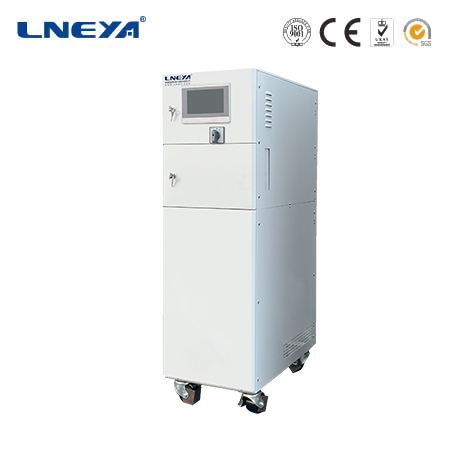
Innovations in materials and technologies are making it easier to achieve energy-efficient cooling. High-performance building materials with superior insulation properties and thermal control allow older buildings to embrace energy-efficient designs, reducing the need for extensive structural modifications .
Smart HVAC systems are also becoming more prevalent, with features like automated adjustments and learning capabilities that optimize comfort while conserving energy. These systems can address challenges in changing user behaviors and occupant comfort, making sustainable practices more accessible.
Conclusion
Energy-efficient heating and cooling systems are essential for creating comfortable and sustainable built environments. By leveraging advanced technologies, passive cooling techniques, and renewable energy sources, these systems reduce energy consumption and environmental impact. As the world continues to grapple with climate change and the need for sustainable living, the role of energy-efficient heating and cooling systems becomes more critical. Investing in these systems is not only a step towards a greener future but also a practical solution for reducing energy costs and enhancing comfort in our homes, workplaces, and public spaces.

Working of Air Cooled Chiller An air-cooled chiller is a type of refrigeration system that is widely used to provide cooling for a variety of applications, including commercial buildings, indus...
View details
When considering the purchase of a 4 kW chiller, it's essential to understand the various factors that influence its price and performance. This article delves into the world of 4 kW chillers, exa...
View details
Temperature Control Coolers: Thermoelectric Coolers for Precise Thermal Management Temperature control coolers, especially thermoelectric coolers (TECs), play a critical role in maintaining opt...
View details
Small Industrial Water Chillers: Market Trends and Applications Small industrial water chillers are essential in maintaining optimal temperatures in various industrial processes. These chillers...
View details

HelloPlease log in