 LNEYA Thermal Test Chillers

SEARCH WHAT YOU WANT
Enter keyword or product model
Search allProduct
SEARCH
Gas Cooling Chiller
Cooling Systems with Water: Efficient Temperature Regulation for Diverse Applications
Water-based cooling systems are essential in many industrial and commercial applications where temperature control is critical. These systems operate on the principle of heat transfer, using water as the primary medium to absorb and dissipate heat. They are known for their high efficiency, ability to handle large heat loads, and versatility in application. In this article, we will explore the workings, benefits, and applications of water-based cooling systems, as well as the market trends that are shaping their development and adoption.
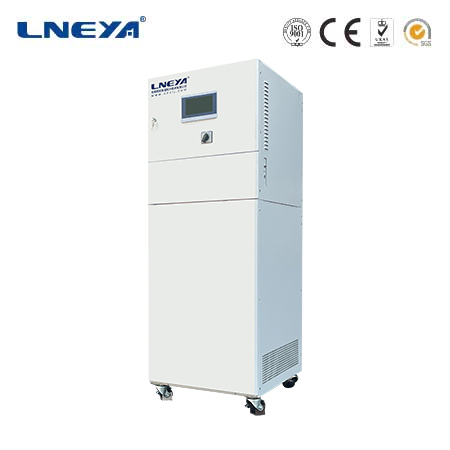
How Do Cooling Systems with Water Work?
Water-based cooling systems operate by circulating water through a series of heat exchangers, where it absorbs heat from the process or equipment it is cooling. This heated water is then passed through a cooling tower or a cooling coil, where it releases the heat to the ambient air or another cooling medium. The cooled water is then recirculated back into the system, maintaining a constant temperature.
The key components of a water-based cooling system include:
Heat Exchanger: This is where the water absorbs heat from the process or equipment being cooled.
Pump: The pump circulates the water through the system, ensuring a continuous flow.
Cooling Tower or Cooling Coil: This is where the heated water releases its heat to the ambient air or another cooling medium.
Reservoir or Basin: This collects and stores the cooled water before it is recirculated.
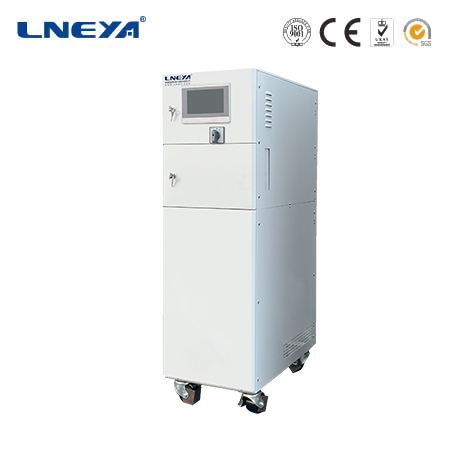
Advantages of Cooling Systems with Water
Water-based cooling systems offer several advantages that make them suitable for a wide range of applications:
High Heat Transfer Rates: Water has a high specific heat capacity, meaning it can absorb and transfer large amounts of heat.
Energy Efficiency: These systems are highly energy-efficient, as they can effectively dissipate heat with minimal energy input.
Versatility: Water-based cooling systems can be used in a variety of applications, from comfort cooling in buildings to critical cooling in data centers and industrial processes.
Reliability: These systems are known for their reliability and long service life, with many units designed to operate continuously without the need for frequent repairs or replacements.
Sustainability: Water is a natural and abundant resource, making water-based cooling systems a more sustainable choice compared to systems that use synthetic fluids.
Applications of Cooling Systems with Water
Water-based cooling systems are used in a diverse array of industries and applications, including:
Building Management: For comfort cooling in commercial buildings, hospitals, and other facilities.
Data Centers: To maintain optimal temperatures for servers and IT equipment, ensuring their efficient operation.
Industrial Processes: In manufacturing and processing facilities, these systems help control temperatures for various processes and equipment.
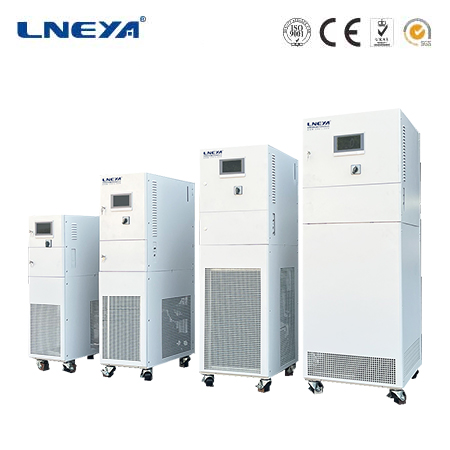
Power Generation: For cooling turbines and other equipment in power plants.
Food and Beverage Processing: To maintain optimal temperatures for food processing, storage, and quality preservation.
Market Trends and Growth Factors
The global market for water-based cooling systems is expected to grow at a significant rate over the next few years, driven by several factors:
Rising Demand for Energy-Efficient Cooling Solutions: As industries look for ways to reduce their energy consumption and operational costs, water-based cooling systems offer a viable solution.
Advancements in Technology: Innovations in heat exchanger design, pump efficiency, and cooling tower performance are enhancing the performance and efficiency of water-based cooling systems.
Focus on Sustainability: There is a growing trend towards the development of cooling systems that use environmentally friendly fluids and have a lower impact on the environment.
Emerging Markets: The increasing industrialization in emerging economies is driving the demand for reliable and efficient cooling solutions, such as water-based cooling systems.
Conclusion
Water-based cooling systems are an essential technology for temperature control in various industries. Their high heat transfer rates, energy efficiency, and versatility make them suitable for a wide range of applications. As the market continues to grow, driven by the demand for sustainable and energy-efficient solutions, water-based cooling systems will remain at the forefront of cooling technology for industrial processes and commercial buildings.

Chiller Manufacturers in Australia: An In - depth ExplorationThe chiller manufacturing industry in Australia is a dynamic and integral part of the country's engineering and infrastructure sectors...
View details
What are the steps for stopping a small water chiller? Stop the small chiller and enter normal shutdown, emergency shutdown, automatic shutdown, and long-term shutdown stop modes. ...
View detailsHow to handle faults in industrial chiller systems? 1. Power on without power. ① If the power cord has poor contact, check the power interface and whether the power cord plug is properl...
View details
Introduction to Portable Liquid Chillers Portable liquid chillers are compact, movable units that remove heat from a liquid through a cycle of compression, condensation, and evaporation . These...
View details

HelloPlease log in