 LNEYA Thermal Test Chillers

SEARCH WHAT YOU WANT
Enter keyword or product model
Search allProduct
SEARCH
Gas Cooling Chiller
Chiller Bath: A Comprehensive Guide
Introduction
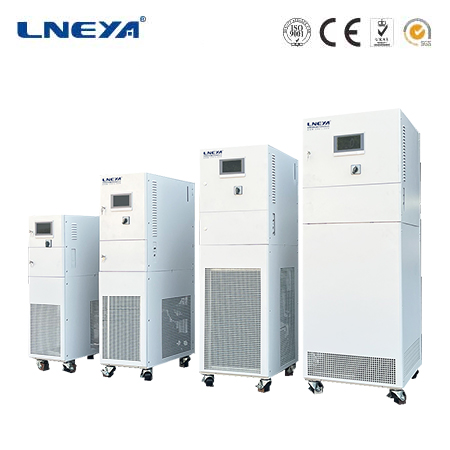
A chiller bath is a specialized cooling system that combines the functionality of a chiller and a temperature-controlled bath. It is designed to maintain precise and stable temperatures for various applications, typically using a circulating fluid such as water or a water-glycol mixture. Chiller baths are widely used in laboratories, industrial processes, and research settings where accurate temperature control is critical. This article delves into the working principles, types, applications, advantages, and considerations for selecting a chiller bath.
Working Principle
A chiller bath operates by circulating a cooling fluid through a closed-loop system to maintain a consistent temperature. The key components include:
Chiller Unit: The chiller unit cools the fluid to the desired temperature using a refrigeration cycle.
Circulation Pump: The circulation pump moves the cooled fluid through the system, ensuring uniform temperature distribution.
Temperature Controller: The temperature controller monitors and regulates the fluid temperature, maintaining it at the set point.
Bath Reservoir: The bath reservoir holds the fluid and provides a stable environment for temperature control.
The system continuously circulates the cooled fluid, ensuring consistent and precise temperature control.
Types of Chiller Baths
Water Chiller Baths: These baths use water as the circulating fluid and are suitable for applications requiring temperatures above freezing.
Glycol Chiller Baths: These baths use a water-glycol mixture as the circulating fluid, providing freeze protection and lower temperature capabilities.
Refrigerated Circulating Baths: These baths combine cooling and heating capabilities, allowing for temperature control below and above ambient levels.
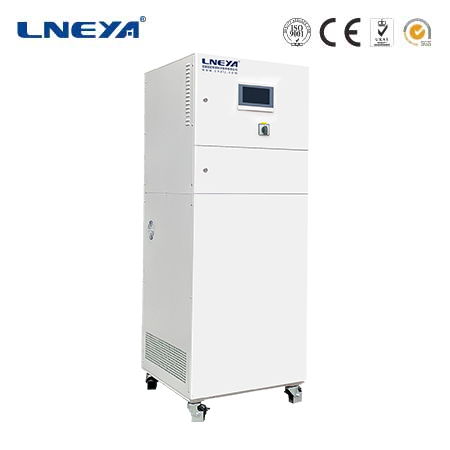
Immersion Chiller Baths: These baths are designed for direct immersion of samples or equipment, providing precise temperature control for specific applications.
Applications of Chiller Baths
Scientific Research: Chiller baths are used in laboratories for experiments requiring precise temperature control, such as enzyme reactions and cell cultures.
Chemical Processing: These baths are used in chemical synthesis and reactions, where consistent temperature control is critical for product quality.
Material Testing: Chiller baths are used in material testing to simulate environmental conditions and study material properties.
Pharmaceutical Industry: These baths are used in drug development and manufacturing processes, ensuring precise temperature control for sensitive compounds.
Food and Beverage Industry: Chiller baths are used in food processing and quality control, ensuring consistent temperatures for product testing.
Advantages of Chiller Baths
Precise Temperature Control: Chiller baths provide accurate and stable temperature control, ensuring consistent results.
Uniform Cooling: The circulation pump ensures uniform cooling, preventing hot spots and ensuring even temperature throughout the system.
Versatility: These baths can be used with various fluids (water, glycol) and are suitable for a wide range of applications.
User-Friendly Controls: Modern chiller baths come with intuitive controls and digital displays, making them easy to operate.
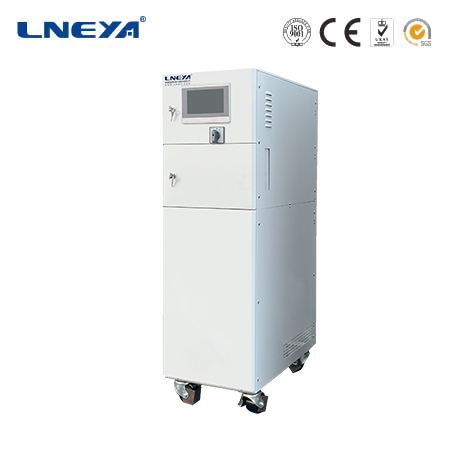
Durability: High-quality materials and construction ensure long-lasting performance and reliability.
Considerations for Selecting Chiller Baths
Temperature Range: Determine the required temperature range for your application and choose a bath that can achieve and maintain those temperatures.
Fluid Type: Choose the appropriate fluid (water, glycol) based on the temperature requirements and compatibility with your application.
Capacity: Consider the size of the bath reservoir and the volume of fluid needed for your application.
Control Features: Look for baths with advanced temperature control features, such as PID controllers and digital displays.
Safety Features: Ensure the bath has safety features such as over-temperature protection and low fluid level alarms.
Maintenance Requirements: Opt for baths with low maintenance requirements and easy access to components for servicing.
Conclusion
Chiller baths are essential equipment for applications requiring precise and consistent temperature control. Their ability to provide uniform cooling, accurate temperature regulation, and versatility makes them ideal for scientific research, chemical processing, material testing, and more. By understanding the working principles, types, applications, and selection criteria, users can choose the right chiller bath to meet their specific needs. This guide provides a comprehensive overview of chiller baths, equipping readers with the knowledge needed to make informed decisions about reliable and precise cooling solutions.

Understanding Chiller Rates A chiller rate, or cooling capacity, is a measure of how much heat a chiller can remove from a given space or process. Chiller rates are typically expressed in tons ...
View details
How should industrial chiller units handle incoming water? 1. When we notice water ingress, we need to immediately turn off the main power supply and shut down the machine for operation...
View details
IntroductionIn an increasingly technology - driven world, maintaining appropriate temperatures is crucial for the efficient and reliable operation of numerous machines, equipment, and processes. ...
View detailsIntroduction to Heating Cooling Temperature ControllersHeating cooling temperature controllers play a vital role in a wide range of applications where precise temperature control is required. Thes...
View details

HelloPlease log in