 LNEYA Thermal Test Chillers

SEARCH WHAT YOU WANT
Enter keyword or product model
Search allProduct
SEARCH
Gas Cooling Chiller
Understanding the Cost of a 50-Ton Chiller
The cost of a 50-ton chiller is influenced by several factors, including the type of chiller, its efficiency, features, installation requirements, and operational costs. When considering the purchase of a 50-ton chiller, it’s essential to evaluate the total cost of ownership rather than just the initial purchase price.
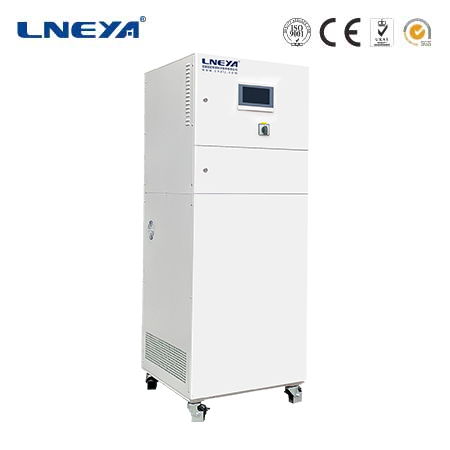
Types of 50-Ton Chillers
There are primarily two types of chillers: air-cooled and water-cooled.
Air-Cooled Chillers: These are more cost-effective for smaller heat loads and situations where water supply is a concern. They are also simpler to install as they do not require additional components like cooling towers or pumps. However, they may have relatively lower efficiency compared to water-cooled chillers.
Water-Cooled Chillers: These are suitable for larger heat loads and provide higher efficiency, especially when waste heat or a low-cost thermal source is available. They require additional components like cooling towers and pumps, which can increase the initial cost but may result in lower operational costs due to higher efficiency.
Cost Considerations
When evaluating the cost of a 50-ton chiller, consider the following factors:
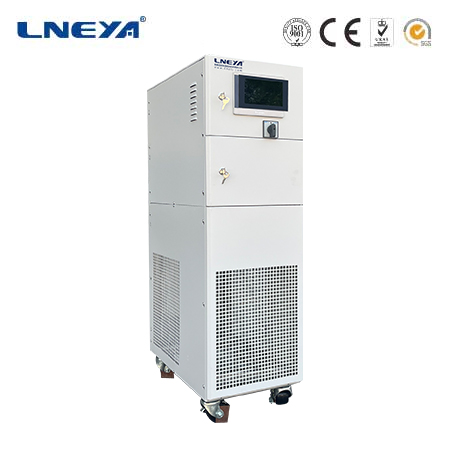
Initial Cost: This includes the purchase price of the chiller and any necessary components, such as cooling towers or pumps for water-cooled systems.
Installation Cost: Installation can be more complex and costly for water-cooled systems due to the need for additional components and piping.
Operational Cost: This includes the cost of electricity to run the chiller and any auxiliary equipment. Water-cooled chillers may have lower operational costs due to their higher efficiency.
Maintenance Cost: Chillers require regular maintenance to ensure optimal performance and longevity. The cost of maintenance can vary depending on the type of chiller and the complexity of the system.
Life Cycle Cost Analysis: It’s important to consider the life cycle cost of the chiller, which includes the initial cost, operational costs, and maintenance costs over the life of the equipment. This analysis can help determine the most cost-effective option for your specific application.
Comparison of Air-Cooled and Water-Cooled Chillers
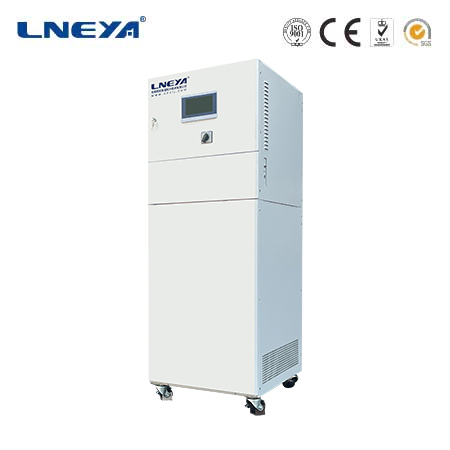
A comparison of air-cooled and water-cooled chillers for a 50-ton capacity reveals that air-cooled chillers are generally more cost-effective for smaller heat loads and situations with limited water availability. However, water-cooled chillers offer higher efficiency and may be more suitable for larger heat loads and applications requiring multiple water temperatures.
Energy Efficiency and Cost Savings
The energy efficiency of a chiller is a critical factor in determining its operational cost. Chillers with higher coefficients of performance (COP) or integrated part-load value (IPLV) ratings will generally consume less energy and have lower operational costs. Energy savings from replacing an older, less efficient chiller with a new, more efficient model can be significant and may offset the higher initial cost of the new chiller.
Conclusion
When considering the purchase of a 50-ton chiller, it’s essential to evaluate the total cost of ownership, including the initial cost, installation, operational costs, and maintenance. Air-cooled chillers may be more cost-effective for smaller heat loads and situations with limited water availability, while water-cooled chillers offer higher efficiency and may be more suitable for larger heat loads and applications requiring multiple water temperatures. A life cycle cost analysis can help determine the most cost-effective option for your specific application and ensure that you make an informed decision that considers both the initial investment and long-term costs.

Understanding Industrial Water Cooling Systems Definition of Industrial Water Cooling Systems Industrial water cooling systems are designed to regulate temperatures in industrial processes b...
View details
Water Bath Maintenance: Ensuring Optimal Performance and Safety Water baths are indispensable pieces of equipment in laboratories, playing a vital role in maintaining precise temperatures for a...
View details
Thermonics Temperature Forcing System: A Comprehensive OverviewIn numerous scientific, industrial, and technological endeavors, the ability to precisely control and manipulate temperatures is ess...
View details60 Ton Air-Cooled Chiller: Medium-Scale Cooling Solutions for Commercial and Industrial Applications A 60-ton air-cooled chiller is an essential piece of HVAC equipment capable of managing sign...
View details

HelloPlease log in