 LNEYA Thermal Test Chillers

SEARCH WHAT YOU WANT
Enter keyword or product model
Search allProduct
SEARCH
Gas Cooling Chiller
The Refrigeration Cycle: Key Stages
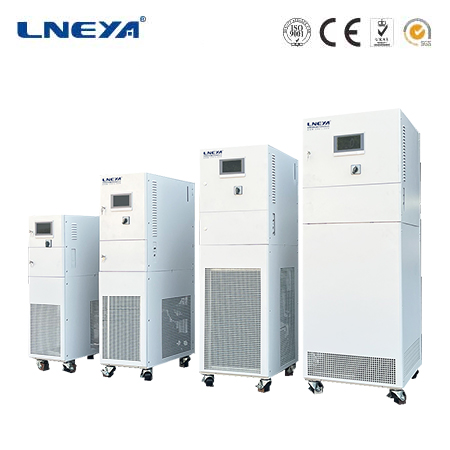
The working mechanism of an air cooled chiller revolves around the refrigeration cycle, which consists of four interconnected stages, each performed by specific components:
Compression
Component: Compressor (scroll, reciprocating, or screw type, depending on capacity).
Process: The cycle starts with the compressor drawing in low-pressure, low-temperature refrigerant vapor from the evaporator. Through mechanical compression, the vapor’s pressure and temperature rise significantly. This increase in energy prepares the refrigerant to release heat in the next stage. For instance, a scroll compressor uses two interlocking spiral elements to compress the refrigerant, while a reciprocating compressor employs pistons moving within cylinders.
Condensation
Components: Air-cooled condenser (finned coils and fans).
Process: The high-pressure, high-temperature refrigerant vapor exits the compressor and enters the condenser. The condenser’s coils, equipped with fins to maximize surface area, come into contact with ambient air. Fans mounted on the condenser blow air over the coils, facilitating heat transfer from the hot refrigerant vapor to the cooler air. As the refrigerant loses heat, it condenses into a high-pressure liquid. This liquid then flows to the expansion valve, ready for the next stage.
Expansion
Component: Expansion valve (or metering device).
Process: The high-pressure liquid refrigerant passes through the expansion valve, which restricts its flow, causing a sudden drop in pressure. This pressure reduction lowers the refrigerant’s temperature, transforming it into a low-pressure mixture of liquid and vapor. This cooled mixture is now capable of absorbing heat from the process fluid in the evaporator. The expansion valve precisely controls the amount of refrigerant entering the evaporator to ensure efficient heat absorption.
Evaporation
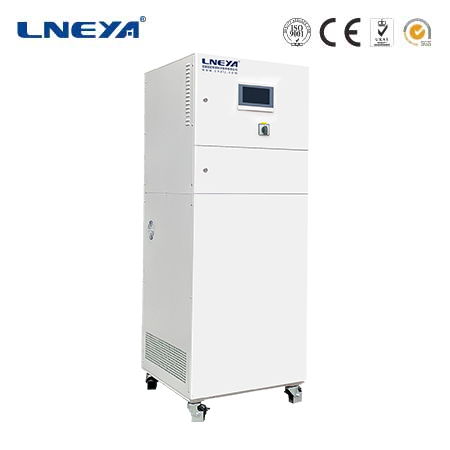
Components: Evaporator and chilled water pump.
Process: The low-pressure, low-temperature refrigerant mixture enters the evaporator, where it comes into contact with the process fluid that needs cooling. The refrigerant absorbs heat from the warmer process fluid, causing it to evaporate completely into a low-pressure vapor. The now-cooled process fluid is pumped by the chilled water pump to the area or equipment requiring cooling (e.g., air handling units, machinery), where it absorbs heat before returning to the evaporator to repeat the cycle. The low-pressure refrigerant vapor, carrying the absorbed heat, flows back to the compressor, and the entire cycle restarts.
Functions of Core Components
Each component in an air cooled chiller plays a vital role in ensuring efficient operation:
Compressor: Acts as the “engine” of the system, driving the refrigerant through the cycle by increasing its pressure. Its efficiency directly affects the chiller’s cooling capacity and energy consumption.
Air-Cooled Condenser: Serves as the heat-rejecting component, transferring heat from the refrigerant to the ambient air. The fins on the coils enhance heat transfer, while the fans ensure a steady supply of air to maintain the process.
Expansion Valve: Regulates the flow and pressure of the refrigerant, creating the necessary conditions for heat absorption in the evaporator. It adjusts to changes in cooling demand to prevent inefficiencies.
Evaporator: Functions as the heat-absorbing component, where heat from the process fluid is transferred to the refrigerant. Its design (e.g., shell-and-tube or plate-type) ensures effective heat exchange to cool the process fluid to the desired temperature.
Impact of Ambient Air Conditions
The temperature of the ambient air has a direct influence on the performance of an air cooled chiller:
High Ambient Temperatures: In hot weather, the air used to cool the condenser is warmer, reducing the temperature difference between the refrigerant and the air. This makes heat transfer less efficient, forcing the compressor to work harder to maintain the required cooling capacity, which can increase energy usage and reduce overall performance.
Low Ambient Temperatures: In cold conditions, the cooler air improves heat transfer in the condenser, enhancing efficiency. Some chillers are equipped with controls to prevent excessive condensation of the refrigerant, which could affect the operation of the expansion valve.
Auxiliary Systems and Controls
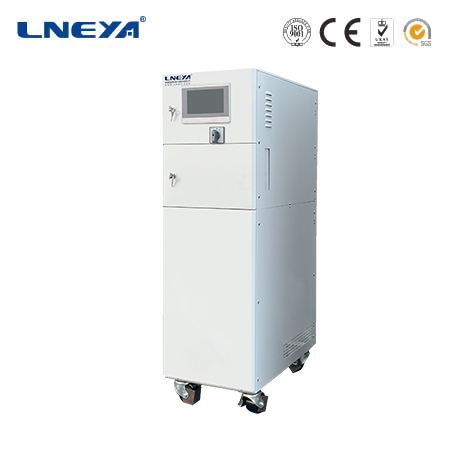
Chilled Water Pump: Circulates the cooled process fluid between the evaporator and the application, ensuring a continuous flow for consistent cooling.
Control System: Monitors and adjusts various parameters, including the temperature of the process fluid, refrigerant pressure, and fan speed. It maintains the desired cooling temperature by regulating the compressor’s operation and the speed of the condenser fans, optimizing efficiency and preventing overcooling.
Refrigerant: A specialized fluid that circulates through the system, changing between liquid and vapor states as it absorbs and releases heat. Modern refrigerants are chosen for their efficiency and low environmental impact, adhering to international regulations.
In summary, air cooled chillers operate by utilizing the refrigeration cycle to extract heat from a process fluid and transfer that heat to the ambient air through a fan-assisted condenser. Their simplicity, lack of dependence on a water source, and ease of installation make them a practical choice for many cooling applications, while their performance is influenced by ambient air temperature and the proper functioning of their core components. Understanding their working process is essential for optimizing their use and ensuring reliable operation.

Water-Cooled Chiller Refrigeration Cycle A water-cooled chiller's refrigeration cycle is fundamental to its operation. This cycle comprises four main components: Evaporator: The refrigerant ...
View detailsScrew Chiller Manufacturers: Shaping the Future of Industrial Cooling Screw chiller manufacturers are at the forefront of innovation in the global cooling solutions market, offering advanced te...
View details
Advantages of laboratory low-temperature circulators The laboratory low-temperature circulator can simultaneously provide constant temperature and current refrigeration, heating, and ...
View details
Introduction to Thermal Test SystemsThermal test systems are specialized setups designed to subject products, components, or materials to controlled thermal conditions, simulating the environment...
View details

HelloPlease log in