 LNEYA Thermal Test Chillers

SEARCH WHAT YOU WANT
Enter keyword or product model
Search allProduct
SEARCH
Gas Cooling Chiller
Constant Temperature Water Bath: Principles, Mechanisms, and Applications
In the realm of scientific research, industrial processes, and various experimental setups, maintaining a stable temperature is often crucial for obtaining accurate results and ensuring the proper functioning of materials and reactions. A constant temperature water bath serves as an indispensable tool in this regard. It provides a controlled thermal environment where the temperature remains relatively steady over a period, facilitating a wide range of applications.
Fundamental Principles of Constant Temperature Water Baths
At its core, a constant temperature water bath operates based on the principles of heat transfer and temperature regulation. The bath itself is typically a container filled with water, which acts as the medium for heat transfer. Water is an ideal medium due to its high specific heat capacity, meaning it can absorb and store a significant amount of heat without a rapid change in temperature. This property allows the water bath to maintain a relatively stable temperature even when heat is added or removed from the system.
The basic process involves heating the water to a desired temperature and then continuously monitoring and adjusting the heat input to keep that temperature constant. When the temperature of the water in the bath drops below the setpoint, a heating element is activated to add heat back into the system. Conversely, if the temperature rises above the setpoint, cooling mechanisms (in some advanced models) or simply reducing the heat input can be employed to bring the temperature back down.
Components and Temperature – Control Mechanisms
Heating Element: The heating element is a key component of a constant temperature water bath. Common types of heating elements include electric resistance heaters. These heaters work by passing an electric current through a resistive material, which generates heat as a result of the electrical resistance. The heat is then transferred to the water in the bath through conduction. The power output of the heating element can be controlled, usually by an electronic controller, to precisely regulate the amount of heat added to the bath.
Temperature Sensor: A temperature sensor, such as a thermocouple or a resistance temperature detector (RTD), is used to measure the temperature of the water in the bath. Thermocouples generate a small electrical voltage that varies with temperature, while RTDs change their electrical resistance in response to temperature changes. These sensors continuously send temperature data to the controller, which uses this information to determine whether the bath temperature is at the desired setpoint.
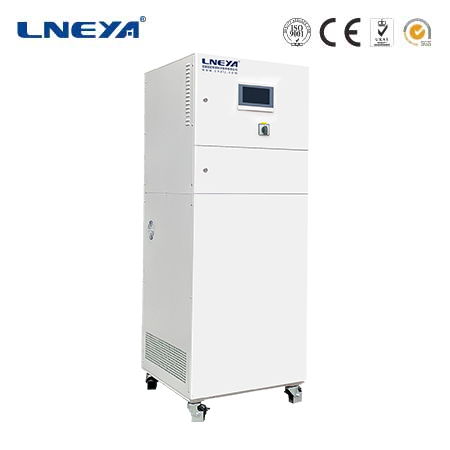
Controller: The controller is the brain of the constant temperature water bath. It receives the temperature data from the sensor and compares it with the pre – set temperature value. Based on the difference between the measured temperature and the setpoint, the controller adjusts the power supplied to the heating element. For example, if the temperature is below the setpoint, the controller will increase the power to the heating element, and if it is above, it will decrease the power or activate any cooling mechanisms present. Some advanced controllers also offer features like programmable temperature profiles, allowing users to set different temperature values over time for more complex experiments.
Factors Affecting Temperature Stability
Heat Transfer: The efficiency of heat transfer within the water bath affects temperature stability. Convection plays a significant role as the heated water rises and cooler water sinks, creating a natural circulation that helps distribute the heat evenly. However, factors such as the shape and size of the bath, the presence of obstacles or containers within the bath, and the viscosity of the liquid being heated (if different from water) can disrupt this natural convection. To ensure uniform temperature distribution, some water baths are equipped with stirrers or circulators that enhance the mixing of the water.
Bath Volume: The volume of water in the bath can impact temperature stability. Larger bath volumes generally have greater thermal inertia, meaning they are less likely to experience rapid temperature fluctuations. A larger amount of water can store more heat, so it takes longer for the temperature to change when heat is added or removed. However, larger baths also require more energy to heat up initially and may take longer to reach the desired temperature.
Ambient Conditions: The surrounding environment can have an effect on the temperature of the water bath. If the ambient temperature is very different from the setpoint of the bath, heat will be exchanged between the bath and the environment. For example, in a cold room, a water bath may lose heat more quickly, requiring the heating element to work harder to maintain the set temperature. Drafts, air conditioning, and other sources of air movement in the vicinity of the bath can also influence heat transfer and temperature stability.
Applications of Constant Temperature Water Baths
Laboratory Applications
Chemical Reactions: In chemistry laboratories, many chemical reactions are highly sensitive to temperature. A constant temperature water bath provides a controlled environment to ensure that reactions proceed at a consistent rate and yield the desired products. For example, in organic synthesis, reactions such as esterification or hydrolysis may require specific temperature conditions to occur optimally. By using a constant temperature water bath, chemists can precisely control the reaction temperature and obtain reproducible results.
Biological Assays: In biology, constant temperature water baths are essential for various assays. Enzyme – catalyzed reactions, for instance, are highly temperature – dependent. Enzymes have an optimal temperature at which they function most efficiently, and deviating from this temperature can significantly affect the reaction rate and outcome. Water baths are used to incubate samples containing enzymes at the appropriate temperature, ensuring accurate results in assays such as DNA polymerase chain reactions (PCR) and protein – folding studies.
Material Testing: In materials science, constant temperature water baths are used to test the properties of materials under specific thermal conditions. For example, the thermal expansion coefficient of a material can be determined by heating the material in a water bath at a constant rate and measuring the change in its dimensions. Additionally, the stability and durability of materials can be evaluated by exposing them to constant temperatures over extended periods.
Industrial Applications
Pharmaceutical Industry: In pharmaceutical manufacturing, maintaining precise temperatures is crucial for processes such as drug synthesis, formulation, and sterilization. Constant temperature water baths are used to ensure that chemical reactions involved in drug production occur under the right conditions, and to keep solutions at specific temperatures during the formulation stage. They also play a role in the sterilization of equipment and products, where specific temperature – time profiles need to be maintained.
Food Industry: In the food industry, constant temperature water baths are used for processes like pasteurization, cooking, and fermentation. For example, in the production of dairy products, pasteurization involves heating the milk to a specific temperature for a certain period to kill harmful bacteria while preserving the nutritional value and flavor. Constant temperature water baths provide a reliable way to achieve and maintain the required pasteurization temperatures.
Electronics Industry: In electronics manufacturing, constant temperature water baths are used for soldering, reflow soldering, and other processes that require precise temperature control. Soldering components onto printed circuit boards often requires a specific temperature range to ensure proper bonding without damaging the components. Water baths help in maintaining the stability of the soldering temperature, improving the quality and reliability of the electronic products.
Maintenance and Calibration
To ensure the accurate and reliable operation of a constant temperature water bath, regular maintenance and calibration are necessary. Maintenance includes cleaning the bath to remove any contaminants or deposits that may affect heat transfer or the performance of the components. The water in the bath should also be changed regularly to prevent the growth of microorganisms and to maintain its purity.
Calibration involves comparing the temperature reading of the water bath with a known standard to ensure its accuracy. This is typically done using a calibrated thermometer or a temperature – measuring device with a higher level of accuracy. If any discrepancies are found, the water bath’s controller may need to be adjusted or calibrated to correct the temperature readings. Regular calibration helps in obtaining accurate experimental results and maintaining the integrity of processes that rely on the water bath’s temperature control.
In conclusion, constant temperature water baths are essential tools with far – reaching applications in scientific research, industry, and various experimental fields. Understanding their principles, components, and the factors that affect their performance is crucial for using them effectively. By providing a stable thermal environment, constant temperature water baths contribute significantly to the accuracy, reproducibility, and success of a wide range of processes and experiments. Whether in the laboratory for academic research or in industrial settings for large – scale production, these devices play an integral role in maintaining the optimal conditions required for various operations.

Introduction to Heating and Cooling TemperaturesMaintaining comfortable indoor temperatures is crucial for occupant well-being and energy efficiency in residential, commercial, and industrial sett...
View details
Water Chiller Singapore: Market Dynamics and Sustainability The water chiller market in Singapore is a critical component of the country's industrial and commercial sectors, providing essential...
View details
Free Chillers: A Comprehensive GuideI. IntroductionA free chiller, also known as a free - cooling chiller, is a type of cooling system that harnesses natural cooling sources to provide cooling wit...
View details
Introduction to Laboratory Thermostatic BathsLaboratory thermostatic baths, also known as water baths, are essential tools used across various scientific and industrial applications to provide con...
View details

HelloPlease log in