 LNEYA Thermal Test Chillers

SEARCH WHAT YOU WANT
Enter keyword or product model
Search allProduct
SEARCH
Gas Cooling Chiller
What Is an Oil Heater System?
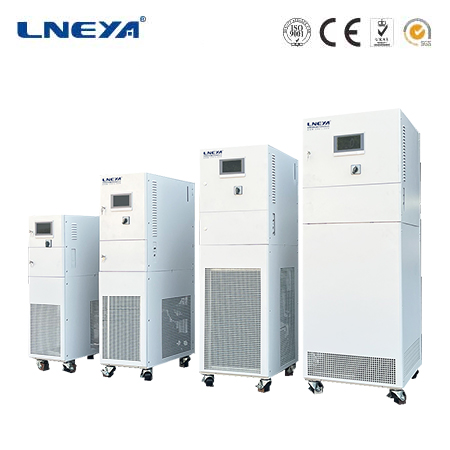
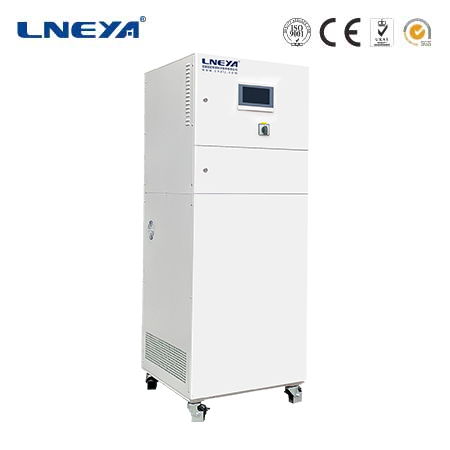
An oil heater system is a closed-loop heating mechanism that utilizes thermal oil as a heat transfer medium. Unlike water-based systems, oil heaters can operate at extremely high temperatures without pressurization, making them suitable for industrial processes, space heating, and specialized applications.
Types of Oil Heater Systems
Oil-Filled Radiators (Electric Oil Heaters)
Commonly used in homes and offices.
Contain diathermic oil heated by an electric element.
Radiators distribute heat through convection.
Energy-efficient and silent operation.
Thermal Oil Heaters (Industrial Systems)
Used in chemical plants, food processing, and manufacturing.
Heated via gas, diesel, or electric sources.
Oil circulates through a heat exchanger to warm machinery or processes.
Hydronic Oil Heating Systems
Combines oil boilers with water-based radiators or underfloor heating.
Oil heats water, which then circulates through pipes.
Popular in off-grid or rural homes without gas supply.
How Does an Oil Heater System Work?
Heating Process
Electric models use resistive heating elements to warm the oil.
Combustion-based heaters burn fuel (diesel, gas) to heat the oil indirectly.
Heat Distribution
In radiators, hot oil releases heat through metal fins via convection.
In industrial systems, pumps circulate oil to heat exchangers for process heating.
Temperature Control
Thermostats regulate heating cycles.
Industrial systems use PID controllers for precise temperature management.
Advantages of Oil Heater Systems
High-Temperature Efficiency – Thermal oil can reach 300°C+ without high-pressure risks.
Safety – No risk of freezing (unlike water systems) or explosion (unlike steam).
Energy Efficiency – Retains heat longer than electric or gas systems.
Low Maintenance – Fewer corrosion issues compared to water-based heating.
Maintenance & Troubleshooting
Regular Oil Checks – Degraded oil reduces efficiency; replace every 5-10 years.
Filter Cleaning – Prevents sludge buildup in circulation pumps.
Leak Inspection – Check pipes, valves, and seals for oil leaks.
Pump Maintenance – Ensure proper lubrication and function.
Common Issues & Fixes:
No Heat Output – Check power supply, thermostat, or heating element.
Uneven Heating – Air pockets in the system; may require bleeding.
Strange Noises – Often due to pump failure or sludge accumulation.
Applications of Oil Heater Systems
Residential Heating – Oil-filled radiators for supplemental warmth.
Industrial Processes – Plastic molding, chemical reactors, and food drying.
Renewable Energy – Used in solar thermal oil plants for heat storage.
Choosing the Right System
Consider:
Heating Needs – Small space vs. industrial process heating.
Energy Source – Electric, gas, or diesel-powered options.
Temperature Range – Standard (up to 150°C) vs. high-temp (300°C+) oils.
Maintenance Requirements – Closed-loop systems need less upkeep.
Conclusion
Oil heater systems offer a reliable, efficient, and safe heating solution for various applications. Proper selection and maintenance ensure optimal performance and longevity. Whether for home comfort or industrial processes, these systems provide consistent heat without the risks associated with steam or high-pressure alternatives.

Small Chiller Plant: Selection and Efficiency A small chiller plant is an essential component of heating, ventilation, and air conditioning (HVAC) systems, particularly where precise temperatur...
View details
Water Bath in the Laboratory: Functions, Types, and ApplicationsIn the bustling environment of a laboratory, where precision and control are paramount, the water bath stands as an indispensable p...
View details
25 Ton Chiller Price: An In-Depth Analysis The pricing of 25-ton chillers is a significant consideration for industries requiring large-scale cooling solutions. These chillers are essential in ...
View details
Chilled Glycol: Definition and Applications Chilled glycol refers to a coolant mixture used in industrial process cooling systems, typically consisting of glycol and water. Glycol, an organic c...
View details

HelloPlease log in