 LNEYA Thermal Test Chillers

SEARCH WHAT YOU WANT
Enter keyword or product model
Search allProduct
SEARCH
Gas Cooling Chiller
Water Cooled Chiller Maintenance: Key Knowledge and Practices
Water cooled chillers play a vital role in various industrial and commercial applications by providing efficient cooling. To ensure they operate at peak performance and have a long lifespan, proper maintenance is essential.
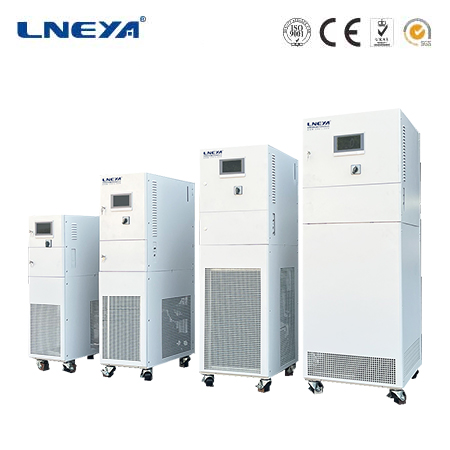
Importance of Maintenance
Preventing System Failures: Regular maintenance can identify potential problems early on. For example, a small refrigerant leak, if left undetected, can gradually lead to a complete system breakdown. By conducting routine inspections, these issues can be caught and fixed before they escalate.
Enhancing Energy Efficiency: A well – maintained chiller operates more efficiently. Dirty filters or a malfunctioning compressor can increase energy consumption. Regular maintenance, such as cleaning the condenser coils and ensuring proper refrigerant levels, helps the chiller run optimally, reducing energy costs over time.
Maintenance Tasks by Frequency
Daily Maintenance
Coolant Level Check: Check the coolant level in the system. Low coolant levels can reduce the chiller’s cooling capacity. If the level is low, top it up with the appropriate coolant as per the manufacturer’s specifications.
Visual Inspection: Look for any signs of leaks around the pipes, joints, and components. Leaks can indicate a problem with the seals or pipes, and early detection can prevent further damage.
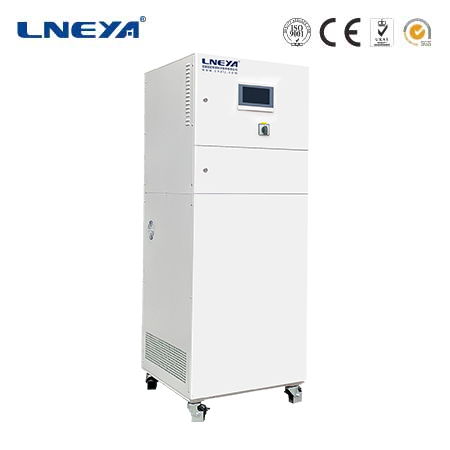
Weekly Maintenance
Filter Inspection: Examine the coolant filters. Even if they don’t need replacement, clean off any visible debris. Clogged filters can restrict coolant flow, leading to reduced cooling efficiency.
Monthly Maintenance
Refrigerant Pressure Check: Use a pressure gauge to measure the refrigerant pressure. Abnormal pressure readings can signal issues such as a refrigerant leak, a malfunctioning expansion valve, or a problem with the compressor.
Lubrication of Moving Parts: If the chiller has moving parts like fans or pumps, lubricate them according to the manufacturer’s instructions. Proper lubrication reduces friction and wear, extending the lifespan of these components.
Annual Maintenance
Comprehensive Component Inspection: Disassemble and inspect major components like the compressor, condenser, and evaporator. Look for signs of wear, corrosion, or damage. Replace any worn – out parts.
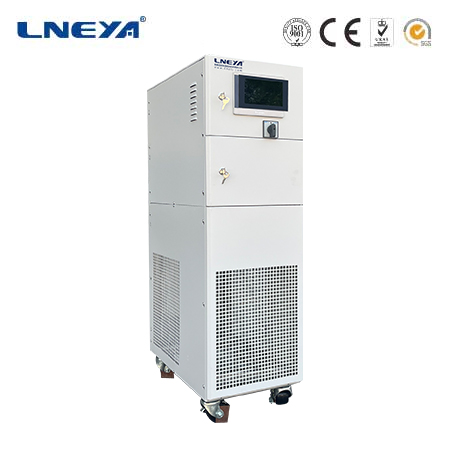
Electrical System Testing: Test the electrical components, including the wiring, switches, and control panels. Check for loose connections, frayed wires, and proper voltage levels. Faulty electrical components can not only affect the chiller’s operation but also pose a safety hazard.
Troubleshooting Common Issues
Abnormal Noises: Unusual noises, such as rattling or screeching, can indicate a problem with the compressor, fan, or other moving parts. A rattling noise might be caused by a loose component, while a screeching noise could be due to a lack of lubrication or a damaged bearing.
Temperature Fluctuations: If the chilled water temperature is not stable, it could be due to a malfunctioning thermostat, a problem with the expansion valve, or an issue with the refrigerant flow. Check these components to identify and resolve the problem.
In conclusion, regular and proper maintenance of water cooled chillers is essential for their reliable operation, energy efficiency, and long – term performance. By following the recommended maintenance tasks and promptly addressing any issues, users can ensure that their chillers serve them well for years to come.

600 Ton Chiller: A Comprehensive Overview A 600 ton chiller is a powerful cooling device with the capacity to remove a significant amount of heat from a system. Types of 600 Ton Chillers ...
View detailsChiller Manufacturers in Italy: Market Trends and Industry Analysis Market Overview: The Italy chillers market is experiencing steady growth due to the increasing demand across various s...
View detailsThermal oil heating systems, also known as hot oil systems, are engineered to transfer heat generated by a furnace or other heat sources to process fluids in various industrial applications. These...
View details
Common Units of Chiller CapacityBritish Thermal Units per Hour (BTU/h)The British Thermal Unit (BTU) is a traditional unit of energy widely used in the United States and some other regions. One ...
View details

HelloPlease log in