 LNEYA Thermal Test Chillers

SEARCH WHAT YOU WANT
Enter keyword or product model
Search allProduct
SEARCH
Gas Cooling Chiller
Water-Cooled Process Chillers: Types and Operation
Water-cooled process chillers are essential in various industrial and commercial applications for their ability to maintain optimal temperatures. These chillers operate on the principle of the vapor compression cycle, which involves transferring heat from a lower temperature reservoir to a higher temperature reservoir. The global water-cooled chillers market size reached US$ 4.8 billion in 2023 and is expected to reach US$ 5.6 billion in 2032, exhibiting a growth rate (CAGR) of 3.2% during 2024-2032.
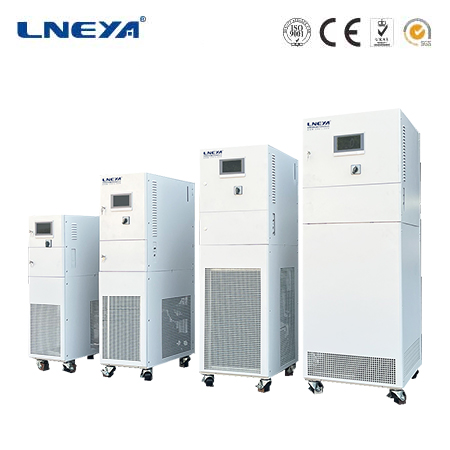
There are two main types of water-cooled chillers: flooded type and dry type. In a flooded system, the refrigerant passes through the shell and floods the tubes, whereas in a dry system, the refrigerant flows through the tubes without flooding them. Water-cooled chillers can be categorized as air-cooled or water-cooled, depending on how they reject heat into the environment.
Advantages of Water-Cooled Process Chillers
Water-cooled process chillers offer several advantages over air-cooled systems. They are more efficient in larger units or high-cooling applications, providing more efficient cooling and better temperature control. Water-cooled chillers can also operate in environments where air temperature is high, maintaining efficiency even in extreme conditions.
Applications of Water-Cooled Process Chillers
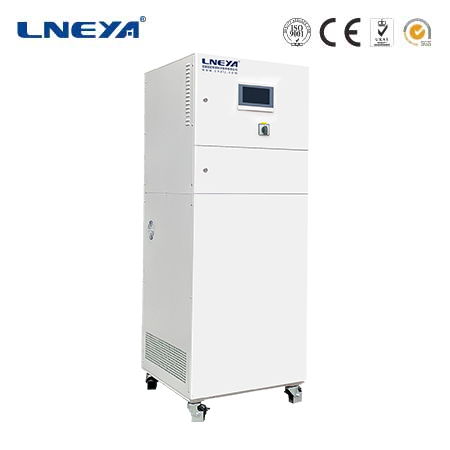
Water-cooled chillers are used in a wide range of applications, including manufacturing, where they help control temperatures during production processes, ensuring product quality. They are also used in HVAC systems for cooling purposes, providing efficient cooling to air handling units and allowing for precise temperature control.
Efficiency Technologies and Market Trends
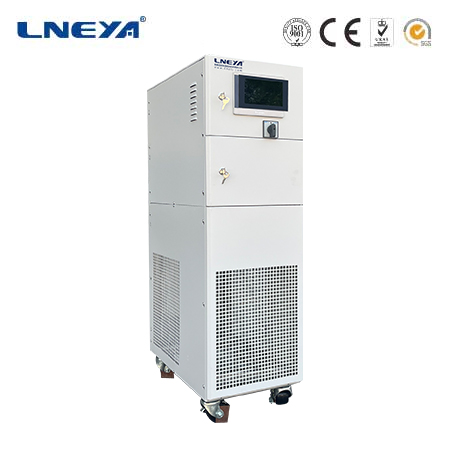
Current trends in the water chillers market include the adoption of eco-friendly refrigerants, integration of smart controls and IoT technology, and customization to meet specific customer needs. The market is moving towards more energy-efficient and environmentally friendly chiller systems, with a focus on high-efficiency compressor technology, heat exchange technology, and new refrigerants technology.
Conclusion
Water-cooled process chillers are vital for cooling in various industrial applications. They offer precise temperature control and are more efficient in larger units or high-cooling applications. As technology advances, the market is moving towards more energy-efficient and environmentally friendly chiller systems, making high-efficiency chillers an increasingly attractive option for businesses and industries worldwide. The global market for water-cooled chillers is expected to grow, driven by the need for more efficient cooling systems and the focus on environmental sustainability.

Chiller System Operation: A Comprehensive GuideIn the realm of modern cooling technology, chiller systems play a pivotal role in maintaining optimal temperatures across a wide range of settings, ...
View details
Heating and Cooling Products: A Detailed OverviewMaintaining a comfortable indoor environment requires reliable heating and cooling solutions. This guide explores different types of HVAC (Heating,...
View detailsDefinition and Basic StructureA flow through chiller, also known as a direct - flow chiller, consists of several key components. At its core, it has a refrigerant circuit, a heat exchanger, a pump...
View detailsWater Cooled Unit: A Comprehensive GuideWater cooled units are crucial components in a wide array of industrial and commercial applications, primarily designed to facilitate efficient heat transf...
View details

HelloPlease log in