 LNEYA Thermal Test Chillers

SEARCH WHAT YOU WANT
Enter keyword or product model
Search allProduct
SEARCH
Gas Cooling Chiller
Understanding the Cost of Air-Cooled Chillers
Introduction to Air-Cooled Chiller Costs
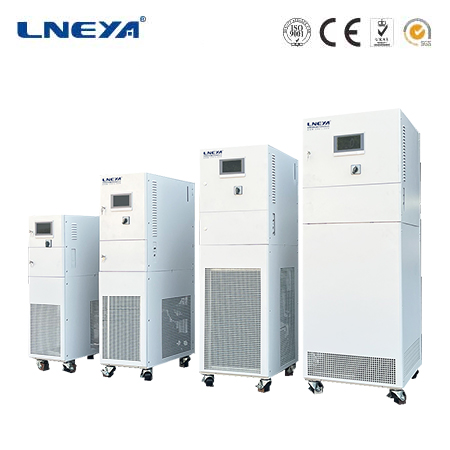
Air-cooled chillers are popular for their versatility and cost-effectiveness in various industrial and commercial cooling applications. When considering an investment in an air-cooled chiller, it’s crucial to understand the factors that influence their costs. This article will delve into the initial investment, operating costs, and the cost-effectiveness of air-cooled chillers.
Factors Influencing Initial Investment
Equipment Size and Capacity: The size and capacity of the air-cooled chiller significantly impact the initial cost. Larger chillers with higher cooling capacities tend to be more expensive.
Efficiency Ratings: Efficiency ratings, such as the Seasonal Energy Efficiency Ratio (SEER) and Coefficient of Performance (COP), play a vital role in determining the initial cost. Higher efficiency ratings generally correspond to higher prices, but they can lead to significant energy savings in the long run.
Additional Features and Customization: Features like variable speed drives, advanced controls, and noise reduction measures can increase the initial investment. These features can enhance performance and energy efficiency but should be carefully evaluated for cost-effectiveness.
Installation Costs: Installation costs include site preparation, electrical connections, and labor. The complexity of the installation and site accessibility influence these costs.
Long-Term Operating Costs
Energy Consumption: The energy efficiency of the chiller directly affects electricity consumption. Higher efficiency chillers consume less energy, resulting in lower long-term operating costs.
Maintenance and Repairs: Regular maintenance and timely repairs are essential for optimal performance and longevity. Properly maintained chillers tend to have lower operating costs over their lifespan.
Lifespan and Replacement: The lifespan of an air-cooled chiller can vary depending on factors like quality, maintenance practices, and operating conditions. As chillers age, their efficiency may decline, leading to higher energy consumption and operating costs.
Evaluating Cost-Effectiveness
Payback Period: This represents the time required for energy savings from a more efficient chiller to offset the higher initial investment. A shorter payback period indicates a more cost-effective system.
Lifecycle Cost Analysis: This analysis considers the total costs of owning and operating a chiller over its entire lifespan, including initial investment, energy costs, maintenance expenses, and potential replacement costs.
Environmental Impact: Air-cooled chillers have a lower environmental impact compared to water-cooled systems, as they do not require water for cooling. This reduced water consumption and potential use of eco-friendly refrigerants contribute to their overall cost-effectiveness.
Market Trends and Cost Analysis
The average cost of an air-cooled chiller plant is roughly $1,300/ton, while the water-cooled chiller plant is approximately $1,700/ton. For a 200-ton chiller plant, the air-cooled option would be more cost-effective in terms of initial investment.
However, it’s important to consider the total operating costs, not just the compressor costs. Air-cooled chillers often have lower compressor energy costs than water-cooled chillers, leading to significant annual cost savings.
Conclusion
When evaluating the cost of air-cooled chillers, it’s essential to consider both the initial investment and long-term operating costs. While air-cooled chillers may have a lower initial cost compared to water-cooled systems, the total cost of ownership should be evaluated based on energy consumption, maintenance, and environmental impact. By understanding these factors, users can make informed decisions about the most cost-effective cooling solution for their specific needs.

What are Small Water Chiller Units?Small water chiller units are compact, self - contained cooling systems designed to lower the temperature of water, which is then used to remove heat from vario...
View detailsA chiller supplier is a specialized provider of industrial and commercial cooling systems, known as chillers, which are designed to remove heat from a process, space, or equipment by circulating a...
View details
Introduction to Heat and Cooling Units Heat and cooling units are devices designed to regulate indoor temperatures, providing comfort and maintaining optimal conditions for various activities. ...
View details
Chiller Baths: Precise Temperature Control for Diverse Applications Chiller baths, also referred to as refrigerated circulators, are essential tools in scientific laboratories and industrial pr...
View details

HelloPlease log in