 LNEYA Thermal Test Chillers

SEARCH WHAT YOU WANT
Enter keyword or product model
Search allProduct
SEARCH
Gas Cooling Chiller
Cooling System Chillers: A Comprehensive Guide
Cooling system chillers are essential in a wide range of industrial and commercial applications, from air conditioning to complex manufacturing processes. They provide precise temperature control by removing heat and maintaining a stable environment. This article delves into the world of chillers, exploring their types, components, efficiency, and applications.
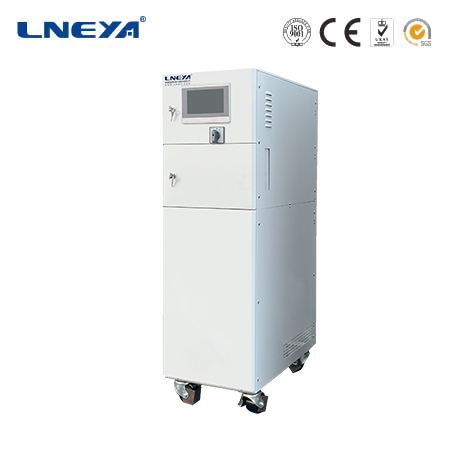
Types of Chillers
Air-Cooled Chillers: These chillers use ambient air and fans to dissipate heat, making them suitable for areas with limited water resources.
Water-Cooled Chillers: They rely on water circulated through a cooling tower to reject heat, offering higher efficiency and larger cooling capacities.
Components of a Chiller System
Compressor: The heart of the chiller, responsible for compressing the refrigerant.
Condenser: Where the refrigerant releases heat to the cooling medium.
Expansion Valve: Regulates the flow of refrigerant, controlling its pressure and temperature.
Evaporator: Absorbs heat from the process fluid or area being cooled.
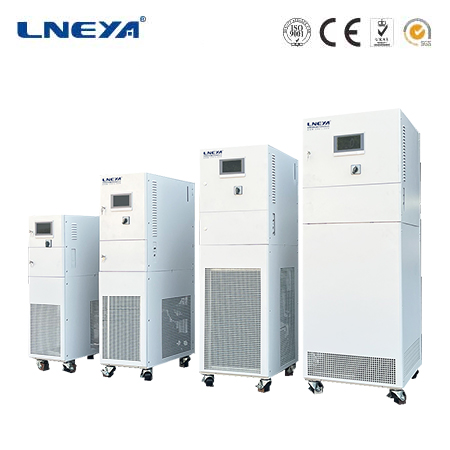
Efficiency of Chiller Systems
The efficiency of a chiller system is measured by its Coefficient of Performance (COP), which indicates the ratio of cooling output to energy input. High COP values signify more efficient chillers. Modern chillers also feature energy-saving technologies such as variable frequency drives (VFDs) and smart controls.
Applications of Chiller Systems
HVAC Systems: Chillers provide cooling for heating, ventilation, and air conditioning systems in commercial buildings.
Industrial Processes: They maintain precise temperatures in manufacturing processes, such as plastic injection molding, chemical processing, and food and beverage production.
Data Centers: Chillers ensure optimal temperatures for server rooms, preventing overheating and maintaining the reliability of IT equipment.
Selecting the Right Chiller System
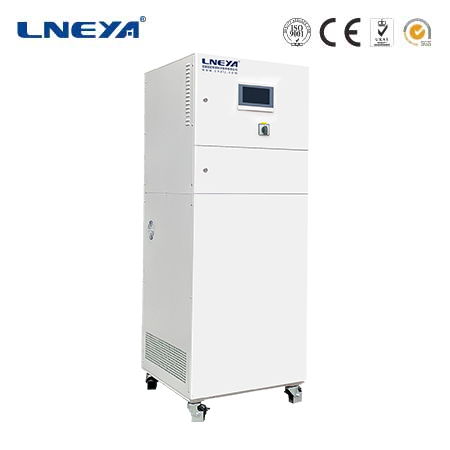
When selecting a chiller system, consider the following factors:
Cooling Capacity: Ensure the chiller can meet the required cooling load.
Energy Efficiency: Choose a chiller with a high COP and energy-saving features.
Maintenance: Opt for chillers with low maintenance requirements and a reputation for reliability.
Environmental Impact: Select chillers that use environmentally friendly refrigerants and have low emissions.
Conclusion
Cooling system chillers are vital for maintaining optimal temperatures in various applications. Understanding the different types, components, and efficiency of chillers is crucial for selecting the right system. By considering factors such as cooling capacity, energy efficiency, maintenance, and environmental impact, industries can ensure they choose the most appropriate chiller for their specific cooling needs, leading to improved process efficiency and cost savings.

Water Chillers: An In-Depth Analysis Introduction to Water ChillersWater chillers, also known as chilled water systems, are integral to heating, ventilating, air conditioning, and refrigeration...
View details
Understanding Water-Cooled Chiller Systems Water-cooled chiller systems are an essential component of Heating, Ventilation, and Air Conditioning (HVAC) in commercial, industrial, and institutio...
View detailsProcess heaters are industrial equipment designed to raise the temperature of a process fluid, gas, or solid. They play a crucial role in numerous industries by providing the necessary heat for ch...
View details
Lab Cooler: A Cornerstone of Temperature Control in Scientific Environments Laboratories require precise temperature control to ensure the integrity and effectiveness of temperature-sensitive m...
View details

HelloPlease log in