 LNEYA Thermal Test Chillers

SEARCH WHAT YOU WANT
Enter keyword or product model
Search allProduct
SEARCH
Gas Cooling Chiller
Core Responsibilities of Process Heater Manufacturers
The primary role of process heater manufacturers extends beyond mere production; it involves a range of activities to deliver effective heating solutions:
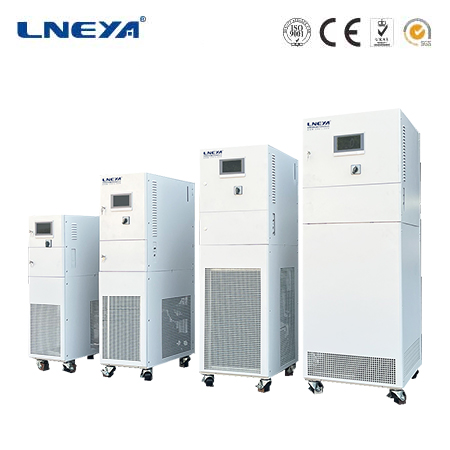
Custom Design and Engineering: They work closely with clients to understand specific process requirements, such as target temperatures, heating rates, material compatibility, and environmental conditions. Using this information, they design heaters with appropriate sizes, heating capacities, and configurations (e.g., immersion, inline, or radiant) to fit the application.
Manufacturing and Quality Control: Manufacturers produce heaters using high-quality materials (e.g., stainless steel, nickel alloys) resistant to corrosion, high temperatures, and chemical degradation. Strict quality control measures are implemented throughout production, including testing heating elements, insulation, and control systems to ensure performance and durability.
Compliance and Certification: They ensure their products meet industry-specific standards and regulations, such as ASME (American Society of Mechanical Engineers) for pressure vessels, ATEX for explosive environments in the EU, and UL (Underwriters Laboratories) for electrical safety. Compliance ensures that heaters can operate safely in hazardous or regulated industries like oil and gas, chemicals, and pharmaceuticals.
Technical Support and After-Sales Service: Many manufacturers provide installation guidance, operator training, and maintenance services. They also offer replacement parts and troubleshooting support to maximize the lifespan and efficiency of their heaters.
Key Technologies and Innovations
Process heater manufacturers focus on advancing technologies to improve heater performance, energy efficiency, and safety:
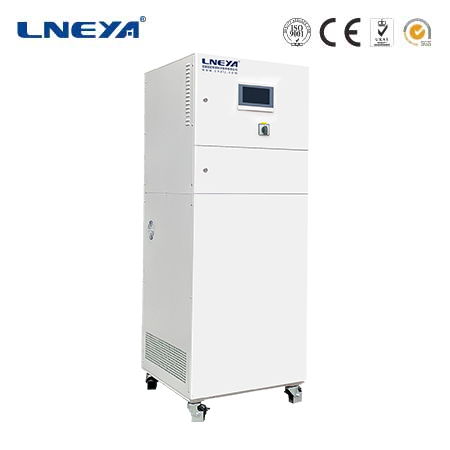
Precision Temperature Control: Incorporating advanced control systems with PID (Proportional-Integral-Derivative) controllers, sensors, and programmable logic controllers (PLCs) to maintain temperatures within tight tolerances (often ±1°C or better), critical for processes like chemical synthesis or food pasteurization.
Energy Efficiency Enhancements: Developing heaters with improved insulation (e.g., ceramic or mineral wool) to reduce heat loss, and integrating heat recovery systems to capture and reuse waste heat. For electric heaters, this includes using low-watt-density elements to minimize energy consumption while ensuring uniform heating.
Material Science Advancements: Using specialized alloys (e.g., Inconel, Hastelloy) for heating elements and casings to withstand extreme temperatures (up to 1,800°C in some cases) and corrosive environments, extending heater life in harsh processes.
Smart and Connected Heaters: Integrating IoT (Internet of Things) capabilities, such as remote monitoring and data analytics, allowing operators to track heater performance, predict maintenance needs, and adjust settings remotely, improving operational efficiency.
Types of Process Heater Manufacturers (by Product Specialization)
Manufacturers often specialize in specific types of process heaters, catering to different industrial needs:
Electric Process Heater Manufacturers: Focus on electric-powered heaters, including immersion heaters (for tanks and vessels), circulation heaters (for flowing fluids), and inline heaters (for continuous processes). They excel in applications requiring clean heating, precise control, or where fuel-based systems are impractical.
Fuel-Fired Process Heater Manufacturers: Produce heaters using natural gas, propane, or oil, such as fired heaters for large-scale industrial processes (e.g., refining, petrochemicals) and direct/indirect-fired heaters for drying or space heating. They often specialize in high-heat output systems for heavy industry.
Specialty Process Heater Manufacturers: Create heaters for niche applications, such as infrared heaters for curing coatings, microwave heaters for food processing, or induction heaters for metal heating. These manufacturers focus on technologies that offer unique advantages, like rapid heating or non-contact heating.
Custom Process Heater Manufacturers: Offer bespoke solutions for unique or complex processes, where off-the-shelf heaters are unsuitable. They collaborate with clients to design heaters for specialized equipment, unusual operating conditions, or proprietary processes.
Factors to Consider When Selecting a Manufacturer
Choosing the right process heater manufacturer is crucial for ensuring optimal performance and reliability:
Industry Expertise: Manufacturers with experience in a specific industry (e.g., chemical processing, food production) understand its unique challenges, such as regulatory requirements or material compatibility, and can provide tailored solutions.
Technical Capabilities: Evaluate the manufacturer’s ability to design heaters with the required temperature range, heating rate, and capacity. This includes checking their engineering team’s expertise and access to advanced design tools (e.g., thermal modeling software).
Quality and Reliability: Look for manufacturers with a track record of producing durable heaters, backed by warranties and certifications. Customer reviews and case studies can provide insights into product performance in real-world applications.
Customization Options: For unique processes, prioritize manufacturers willing to customize heater designs, materials, or control systems to meet specific needs, rather than offering only standard products.
After-Sales Support: Consider the availability of technical support, maintenance services, and replacement parts. A manufacturer with a responsive support team can minimize downtime in case of heater issues.
Compliance and Safety: Ensure the manufacturer’s heaters meet relevant industry standards (e.g., ISO, OSHA, API) to avoid safety risks and regulatory penalties. This is especially important for heaters used in hazardous environments.
Role in Industrial Processes
Process heater manufacturers are integral to industrial operations, as their products enable critical steps in manufacturing and treatment:
Enabling Process Efficiency: By providing heaters that maintain precise temperatures, manufacturers help industries reduce energy waste, improve product quality, and increase production speeds.
Supporting Innovation: Manufacturers collaborate with researchers and industry leaders to develop heaters for emerging technologies, such as carbon capture, advanced materials processing, and sustainable energy production.
Ensuring Safety: Through rigorous testing and compliance with safety standards, they help prevent accidents related to overheating, chemical reactions, or equipment failure, protecting workers and facilities.
In summary, process heater manufacturers are key partners in industrial sectors, combining engineering expertise, technological innovation, and industry knowledge to deliver heating solutions that meet diverse and demanding process requirements. Understanding their roles, capabilities, and specialization helps industries select the right manufacturer for their specific needs, ensuring efficient, safe, and reliable process heating.

All You Need to Know About 3 - kW ChillersWhat is a 3 - kW Chiller?A 3 - kW chiller is a cooling device with a nominal cooling capacity of 3 kilowatts. It is designed to remove heat from a specifi...
View details
Constant Temperature Water Bath: Principles, Mechanisms, and ApplicationsIn the realm of scientific research, industrial processes, and various experimental setups, maintaining a stable temperatu...
View details
IntroductionCompact cool chillers have emerged as a practical and efficient cooling solution in various industries and settings. Their defining characteristic is a reduced physical footprint, whi...
View detailsProcess Chilled Water Systems: Critical for Temperature Regulation in Industrial Processes Process chilled water systems play a vital role in various industries, providing precise temperature c...
View details

HelloPlease log in