 LNEYA Thermal Test Chillers

SEARCH WHAT YOU WANT
Enter keyword or product model
Search allProduct
SEARCH
Gas Cooling Chiller
When considering the purchase of a 4 kW chiller, it’s essential to understand the various factors that influence its price and performance. This article delves into the world of 4 kW chillers, examining the differences between air-cooled and water-cooled systems, their efficiency, and the current market trends.
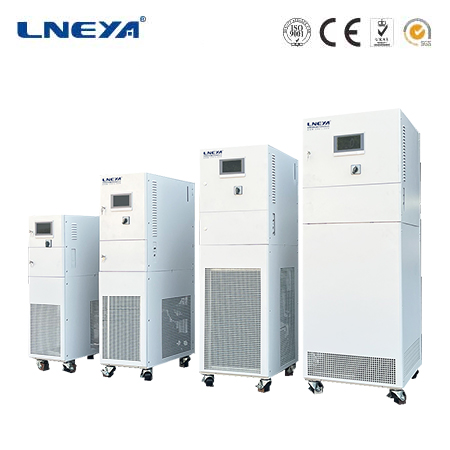
Types and Prices of 4 kW Chillers:
Air-Cooled Chillers:
Air-cooled chillers are known for their ease of installation and maintenance. They work by absorbing heat from process water and transferring it to cool fluids and dehumidify air. The GCevo series from DirectIndustry.com offers air-cooled process water chillers with cooling capacities ranging from 4 kW to 122 kW, suitable for a variety of applications.
Water-Cooled Chillers:
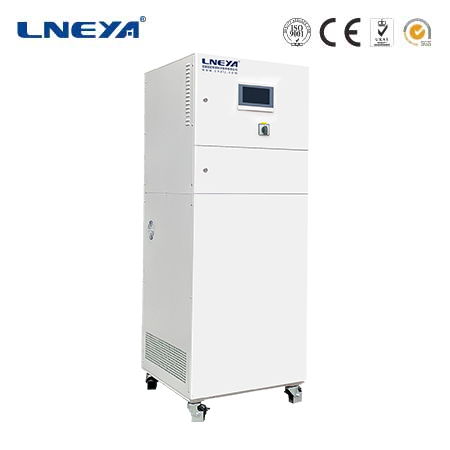
Water-cooled chillers are more efficient and suitable for larger cooling loads. They require a more complex system, including cooling tower and water supply, which can increase the initial cost. The High-Precision Water-cooled Chiller from DirectIndustry.com offers models with power ranging from 4 kW to 105 kW and can handle maximum temperatures from 5°C to 50°C.
Efficiency and Cost Factors:
Chiller efficiency is a critical factor in determining the price and operational costs. Efficiency metrics such as kW/Ton, COP (Coefficient of Performance), EER (Energy Efficiency Ratio), and IPLV/NPLV are used to evaluate chiller performance. A lower kW/Ton indicates higher efficiency, meaning the chiller consumes less power to provide the same amount of cooling.
Market Trends and Growth:
The global chillers market is expected to grow from $9.04 billion in 2023 to $9.43 billion in 2024 at a compound annual growth rate (CAGR) of 4.3%. This growth is attributed to factors such as urbanization, expansion of HVAC systems in residential and commercial buildings, adoption of process cooling in industrial applications, and increased demand for air conditioning and refrigeration. The market is also seeing a shift towards low-GWP refrigerants, integration with smart building systems, and modular and scalable chiller systems.
Conclusion:
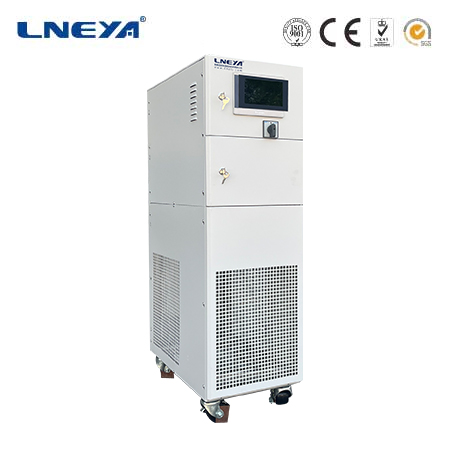
The price of a 4 kW chiller can vary significantly based on the type, efficiency, and market trends. Air-cooled chillers offer a more affordable upfront cost, while water-cooled chillers provide higher efficiency and may be more suitable for larger applications. When selecting a 4 kW chiller, it’s crucial to consider not only the initial purchase price but also the total cost of ownership, including operational costs, maintenance, and potential energy savings. By understanding the market dynamics and evaluating the efficiency of different chiller types, buyers can make an informed decision that balances initial investment with long-term operational costs and performance.

Enhancing Cooling Efficiency: The Concept of "Cooler Cool" Introduction to "Cooler Cool"The phrase "cooler cool" encapsulates the idea of making cooling systems more effective. Whether it's kee...
View detailsUnderstanding Temperature Controlled Solutions Definition of Temperature Controlled Solutions Temperature controlled solutions encompass a range of technologies and systems designed to maint...
View detailsWhat are Industrial Chilled Water Systems? Industrial chilled water systems are cooling systems designed to circulate chilled water through industrial processes or equipment to absorb and dissi...
View detailsAir Cooled Chiller Working An air-cooled chiller is a crucial piece of equipment in the field of refrigeration and cooling, widely used in various applications such as commercial buildings, ind...
View details

HelloPlease log in