 LNEYA Thermal Test Chillers

SEARCH WHAT YOU WANT
Enter keyword or product model
Search allProduct
SEARCH
Gas Cooling Chiller
Investigating the cost of a 3-ton chiller reveals a complex landscape influenced by various factors, including the chiller’s type, efficiency, additional features, and market trends. This article provides a comprehensive analysis to help potential buyers understand the price range and what influences it.
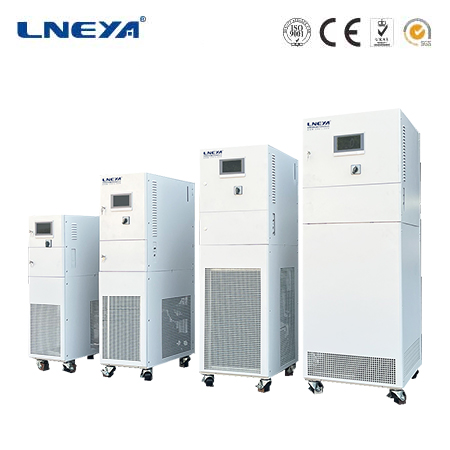
Types and Prices of 3-ton Chillers:
Air-Cooled Chillers:
Air-cooled chillers are known for their ease of installation and maintenance. They work by absorbing heat from process water and transferring it to the ambient air. According to a price list from Taihe Compressor, the cooling capacity for a 3-ton air-cooled chiller ranges from 71.6 kW to 293.0 kW, with input power ranging from 25.6 kW to 92.3 kW. These chillers feature an industry-leading LCD display microcomputer controller for precise temperature control. The starting price for such units can be as low as $900.00 to $1,800.00.
Water-Cooled Chillers:
Water-cooled chillers are more efficient and suitable for larger cooling loads. They require a more complex system, including cooling tower and water supply, which can increase the initial cost. A report from IndiaMART
indicates that a 3-phase industrial water chiller, water-cooled, with a capacity of 3 tons is priced at ₹ 1,58,000, which is approximately $200 to $300.
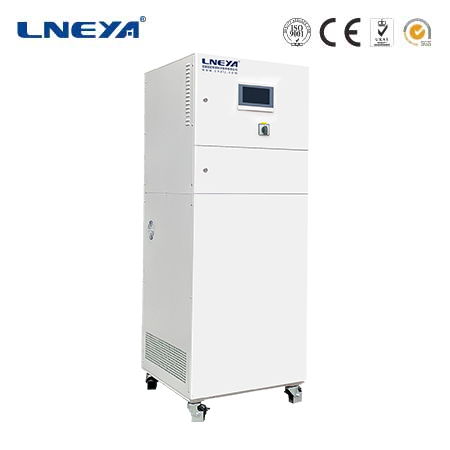
Efficiency and Cost Factors:
Chiller efficiency is a critical factor in determining the price. Higher efficiency chillers, indicated by a higher EER (Energy Efficiency Ratio) or COP (Coefficient of Performance), may have a higher initial cost but can lead to significant energy cost savings over time. The global market for water chillers is expected to grow as the demand for energy-efficient cooling solutions increases.
Additional Features:
Advanced features such as variable speed drives, smart controls, and heat recovery options can increase the price of a chiller. These features can enhance the performance, flexibility, and reliability of the chiller, making them a worthwhile investment for many applications.
Market Trends and Competitive Landscape:
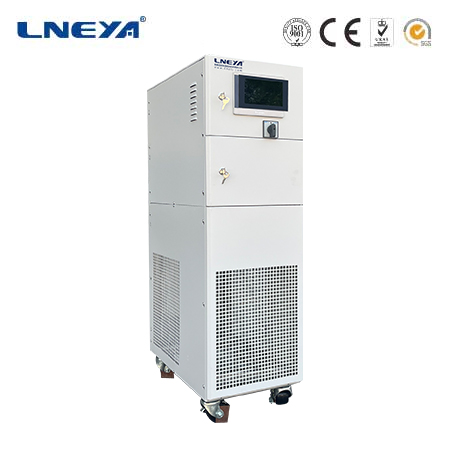
The global water chillers market is competitive, with key players like Daikin Industries, Trane Technologies, and Johnson Controls International offering a range of products. Market growth is driven by factors such as rising demand for energy-efficient cooling solutions, increasing urbanization, and the need for sustainable building practices. The Asia Pacific region is expected to lead the market growth due to strong economic growth, rapid urbanization, and the presence of a large population base.
Conclusion:
The price of a 3-ton chiller can vary significantly based on the type, efficiency, and market trends. Air-cooled chillers offer a more affordable upfront cost, while water-cooled chillers provide higher efficiency and may be more suitable for larger applications. When selecting a 3-ton chiller, it’s crucial to consider not only the initial purchase price but also the total cost of ownership, including operational costs, maintenance, and potential energy savings. By understanding the market dynamics and evaluating the efficiency of different chiller types, buyers can make an informed decision that balances initial investment with long-term operational costs and performance.

Understanding 7 kW Chillers A 7 kW chiller is a versatile piece of equipment that provides cooling capacities suitable for a variety of applications. With a cooling power equivalent to 7 kilowa...
View details
Difference between Water Cooled Chiller and Air Cooled Chiller Chillers are essential pieces of equipment in the field of refrigeration and cooling systems, used to remove heat from a liquid vi...
View details
60 Ton Air-Cooled Chiller: Medium-Scale Cooling Solutions for Commercial and Industrial Applications A 60-ton air-cooled chiller is an essential piece of HVAC equipment capable of managing sign...
View details
Types of Chiller Systems Chiller systems are essential components in many cooling applications, ranging from commercial buildings to industrial processes. They are responsible for removing heat...
View details

HelloPlease log in