 LNEYA Thermal Test Chillers

SEARCH WHAT YOU WANT
Enter keyword or product model
Search allProduct
SEARCH
Gas Cooling Chiller
Understanding Chiller Items
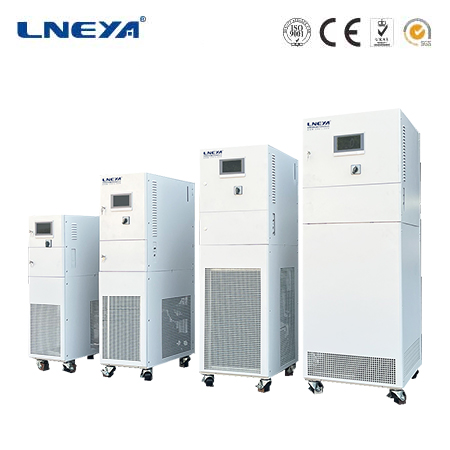
Chiller items encompass the range of components, technologies, and systems that facilitate cooling in various applications. Chillers are essential in maintaining optimal temperatures in commercial buildings, industrial processes, and data centers. They operate by removing heat from a liquid or space and transferring it to a cooling medium, such as air or water.
Chiller Capacity and Measurement
The capacity of a chiller is a critical parameter, measured in tons of refrigeration (TR) and kilowatts (kW). One ton of refrigeration is equivalent to 12,000 British Thermal Units per hour (BTU/h), and 1 kW of cooling capacity is equivalent to 3412 BTU/h. Understanding these units is crucial for sizing chillers correctly and ensuring efficient operation.
Types of Chillers
Chillers are classified based on construction, refrigeration cycle, and compressor technology:
Construction: Chillers can be dry expansion (DX) or flooded types. DX chillers have the liquid to be cooled in the shell, while the refrigerant is in the tubes. Flooded chillers have the liquid in the tubes and the refrigerant in the shell.
Refrigeration Cycle: Chillers can operate on vapor compression or vapor absorption cycles. Vapor compression chillers are more common and use mechanical compressors, while absorption chillers use a heat source to drive the cooling process.
Compressor Technology: Chillers can feature centrifugal, reciprocating, scroll, or screw compressors, each with its own advantages and applications.
Applications of Chillers
Chillers find use in a variety of sectors due to their cooling capabilities:
Food Processing: Chillers are widely used in food production and processing, which requires precise temperature control. For example, wine chillers control temperatures during fermentation and storage, while bakery chillers cool mixers, drinking water, and yeast tanks.
Industrial Processes: Chillers remove excess heat during metal processing and are essential for temperature control in processes like electroplating or electroless plating.
Injection Molding: Chillers deliver a flow of mold cooling fluid at an ideal rate, ensuring optimum product quality in the mass production of plastic parts.
Room Cooling: Chiller units prevent extreme temperatures in offices and other working spaces, especially in facilities with heavy machinery that generates a lot of heat.
Efficiency and Market Trends
Chiller efficiency is defined as the effectiveness of the system in generating cooling while minimizing energy consumption. It is typically quantified using the Coefficient of Performance (COP), Energy Efficiency Ratio (EER), and Integrated Part Load Value (IPLV) or Nominal Part Load Value (NPLV). The global chiller market is driven by the demand for energy-efficient and environmentally friendly cooling solutions. Trends include the adoption of low-global warming potential (GWP) refrigerants and the integration of smart controls and IoT technology.
Conclusion
Chiller items are integral to the cooling processes in various industries. Their capacity, types, applications, and efficiency are key factors in their selection and operation. As the market continues to evolve, the focus on energy efficiency and environmental sustainability will drive further advancements in chiller technology. Understanding these aspects is crucial for optimizing the performance and efficiency of chiller systems in any application.

Understanding Temperature Controlled Solutions Definition of Temperature Controlled Solutions Temperature controlled solutions encompass a range of technologies and systems designed to maint...
View details
Understanding 12 kW Chillers A 12 kW chiller is a versatile cooling system that provides 12 kilowatts of cooling power, suitable for a range of applications from commercial spaces to industrial...
View detailsTypes of Industrial Chiller MachinesIndustrial chillers are classified based on their cooling method, compressor type, and intended application, each offering unique advantages for specific indus...
View details
Introduction to Thermal Liquid Heating Systems Thermal liquid heating systems, also known as hot oil or heat transfer fluid systems, are engineered to transfer heat generated from a central hea...
View details

HelloPlease log in