 LNEYA Thermal Test Chillers

SEARCH WHAT YOU WANT
Enter keyword or product model
Search allProduct
SEARCH
Gas Cooling Chiller
Introduction to Water Recirculation Coolers
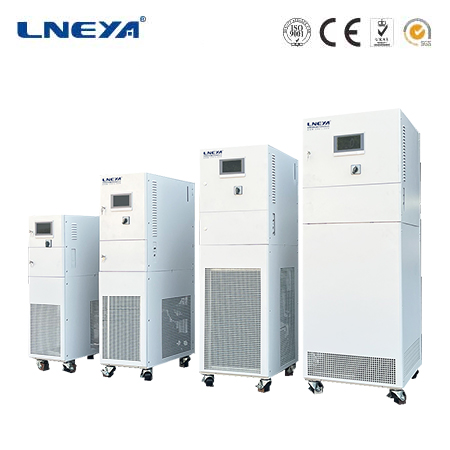
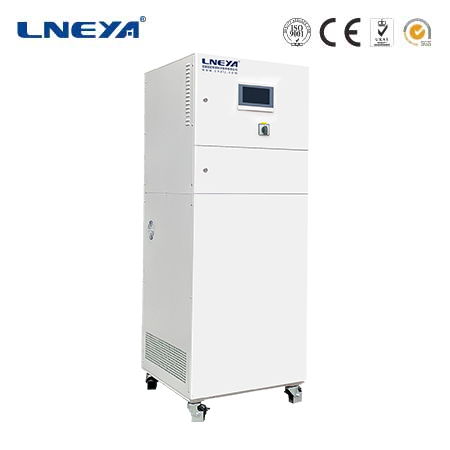
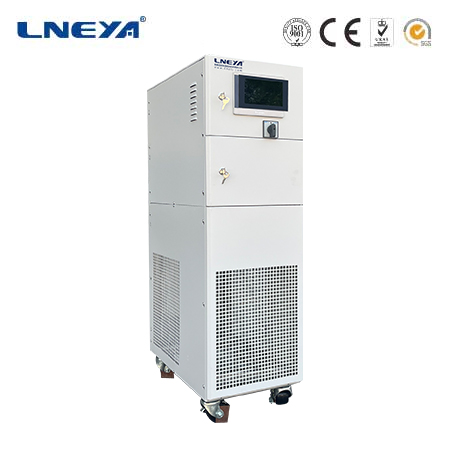
Water recirculation coolers are essential in maintaining a stable temperature in various industrial and laboratory processes. These systems work by circulating a temperature-controlled liquid through a closed loop, providing a constant flow of cooled or heated fluid as required by the application.
Definition and Components
A water recirculation cooler typically consists of a reservoir, a pump, a heat exchanger, and a temperature control unit. The reservoir holds the liquid that will be circulated, the pump moves the liquid through the system, the heat exchanger either cools or heats the liquid, and the temperature control unit regulates the temperature to ensure it stays within the desired range.
Applications of Water Recirculation Coolers
Water recirculation coolers find applications in a variety of settings, including:
Laboratory Settings: They are used to maintain a constant temperature for chemical reactions, sample incubation, and other temperature-sensitive processes.
Industrial Processes: In manufacturing and production, they help regulate the temperature of machinery and processes to ensure efficiency and safety.
Medical Applications: They can be used to maintain the temperature of medical solutions and equipment, ensuring patient safety and comfort.
Efficiency and Environmental Benefits
Water recirculation coolers offer several advantages over traditional cooling methods:
Energy Efficiency: By recirculating the same fluid, these systems reduce energy consumption compared to systems that require continuous water flow.
Water Conservation: They minimize water waste, making them an environmentally friendly choice, especially in areas where water is scarce.
Sustainability: The use of recirculation coolers aligns with sustainability goals, as they reduce the environmental impact of cooling processes.
Maintenance and Safety
Proper maintenance of water recirculation coolers is crucial for their optimal performance and longevity. This includes regular cleaning to prevent biological growth and mineral deposits, checking the condition of the pump and heat exchanger, and ensuring the temperature control unit is calibrated correctly. Safety precautions include ensuring the system is grounded to prevent electrical shocks and following the manufacturer’s guidelines for operation and maintenance.
Conclusion
Water recirculation coolers are indispensable in various applications where precise temperature control is required. Their efficiency, environmental benefits, and versatility make them a preferred choice in many industries and laboratories. As technology advances, these systems continue to evolve, offering greater precision and environmental sustainability in cooling applications.

Introduction to Thermoelectric Recirculating ChillersThermoelectric recirculating chillers are specialized cooling systems that play a crucial role in maintaining precise low - temperature condit...
View details
What temperature sensors are commonly used for lab water chiller? Generally speaking, the temperature sensors used in laboratory chillers mainly include the following types: 1. T...
View details
Adiabatic Chillers: A Deep Dive Introduction In the pursuit of more energy - efficient and sustainable cooling solutions, adiabatic chillers have emerged as a promising technology. They of...
View details
What are the performance advantages of a 1 ton chiller? 1. Simple construction and easy operation: with fewer spare parts, the simple and clear control panel in the 1-ton chiller is ver...
View details

HelloPlease log in