 LNEYA Thermal Test Chillers

SEARCH WHAT YOU WANT
Enter keyword or product model
Search allProduct
SEARCH
Gas Cooling Chiller
Chillers: A Comprehensive Overview
Introduction to Chillers
Chillers are refrigeration machines designed to remove heat from a liquid, typically water or a water-glycerin mixture, which is then circulated to cool air or industrial processes. These systems are vital in a wide range of applications, from maintaining comfortable indoor environments to supporting critical industrial processes.
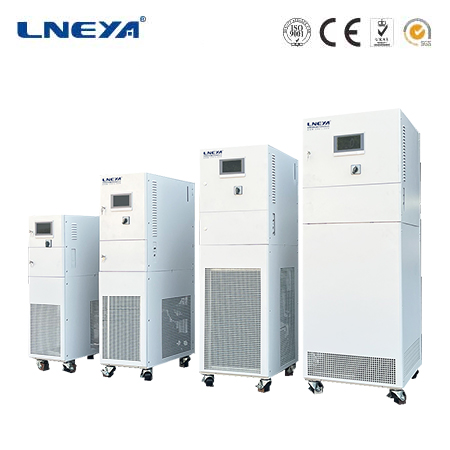
Types of Chillers
Chillers can be broadly classified into two types based on their cooling mechanisms:
Air-Cooled Chillers: These chillers use ambient air to dissipate heat absorbed from the refrigerant. They are simpler to install and maintain but are less efficient in hot climates due to reduced heat transfer efficiency.
Water-Cooled Chillers: These chillers use water from a cooling tower or other water sources to dissipate heat. They are more efficient than air-cooled chillers, especially in warmer climates, but require more space and a consistent water supply.
Operation of Chillers
Chillers operate on the principle of the vapor compression refrigeration cycle, which involves the following steps:
Compressor: The refrigerant is compressed, increasing its temperature and pressure.
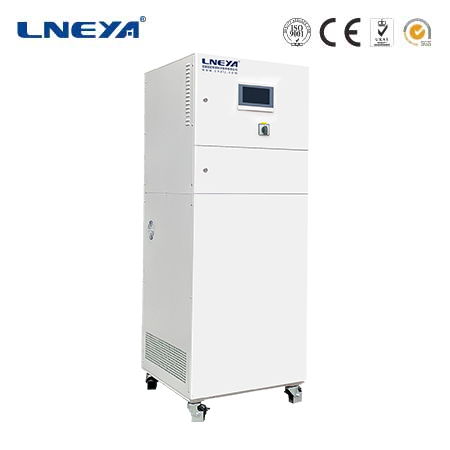
Condenser: The hot, high-pressure refrigerant releases heat to the cooling medium (air or water), condensing into a liquid.
Expansion Valve: The liquid refrigerant expands, rapidly cooling it as it enters the evaporator.
Evaporator: The cold refrigerant absorbs heat from the chilled water or air, turning back into a gas and repeating the cycle.
Applications of Chillers
Chillers are used in various applications, including:
Building HVAC: Maintaining comfortable temperatures in commercial buildings, hotels, and residential complexes.
Industrial Processes: Cooling processes in manufacturing, such as plastic injection molding, chemical processing, and food processing.
Data Centers: Ensuring optimal operating temperatures for servers and IT equipment.
Medical Facilities: Cooling medical equipment and maintaining temperature-controlled environments for research and treatment.
Energy Efficiency and Chillers
Energy efficiency is a critical factor in chiller performance. High-efficiency chillers can significantly reduce energy consumption and operating costs. Modern chillers incorporate variable frequency drives (VFDs), high-efficiency compressors, and advanced control systems to optimize energy use.
Environmental Considerations
Chillers can have a significant environmental impact due to their energy consumption and the use of refrigerants with high global warming potential (GWP). The industry is moving towards more sustainable practices, such as using natural refrigerants and developing energy recovery systems.
Selecting the Right Chiller
Choosing the appropriate chiller for a specific application depends on factors like cooling load, climate, available resources (e.g., water availability), and environmental regulations. It is essential to consider the total cost of ownership, including installation, operation, and maintenance.
Conclusion
Chillers play a vital role in maintaining temperature control in various industrial and commercial settings. As technology advances, the focus is on developing more energy-efficient and environmentally friendly chillers. Understanding the different types, their operation, and the factors influencing their efficiency is crucial for selecting the right chiller system and minimizing the environmental impact of cooling applications.

IntroductionChiller units are essential pieces of equipment in the realm of cooling systems. They are designed to remove heat from a fluid (usually water or a refrigerant - based solution) and tr...
View details
How many degrees does a 300 ton chiller usually need to be adjusted? The adjustment temperature of the 300 ton chiller unit varies depending on the specific situation and needs to be ad...
View detailsSmall Air-Cooled Chillers: Efficient Cooling Solutions for Various Applications Small air-cooled chillers are essential components in many industries, providing reliable cooling in a compact fo...
View details
How does the evaporator chiller reduce vibration and noise? Evaporator cooler is a device used to cool air or liquid, which can dissipate heat through evaporation. When using evaporator...
View details

HelloPlease log in