 LNEYA Thermal Test Chillers

SEARCH WHAT YOU WANT
Enter keyword or product model
Search allProduct
SEARCH
Gas Cooling Chiller
Introduction to Cool Water Systems
Cool water systems are crucial in various industrial processes where heat generation is a common byproduct. These systems help regulate temperatures, prevent equipment damage, and maintain the integrity of products and processes. Cool water systems can be found in food processing facilities, manufacturing plants, and power generation industries, among others.
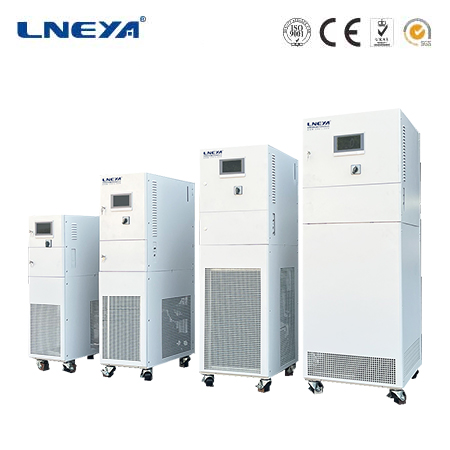
Principles of Cool Water Systems
The primary function of cool water systems is to absorb and remove excess heat. This is achieved by circulating chilled water through heat exchangers or cooling towers, where heat is transferred from the process to the water. The cooled water is then recirculated, while the absorbed heat is dissipated into the atmosphere or transferred to another medium.
Types and Applications of Cool Water Systems
Cool water systems can be categorized into several types, including glycol cooling systems, furnace cooling water systems, water source heat units, and closed-loop water systems. They are applied in situations requiring constant and accurate control of process temperatures, such as in cooling towers. These systems can adapt to changes in heat load, flow requirement, and ambient temperature.
Efficiency of Cool Water Systems
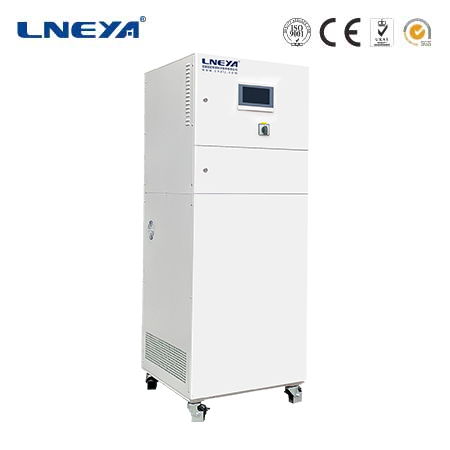
Efficiency in cool water systems is paramount for improving safety, reducing wear and tear on machinery, lowering maintenance costs, preventing product spillage, enhancing product quality, and increasing energy efficiency. Top energy efficiency measures for process cooling systems include proper heat load management, accurate temperature control, and regular maintenance to prevent overheating and reduce cooling lag time.
Environmental Impact of Cool Water Systems
The environmental impact of cool water systems is influenced by their ability to reduce energy consumption and greenhouse gas emissions. By effectively managing heat loads, these systems contribute to the decarbonization of electricity systems and mitigate the effects of climate change on water resources.
Recent Advancements in Cool Water Systems
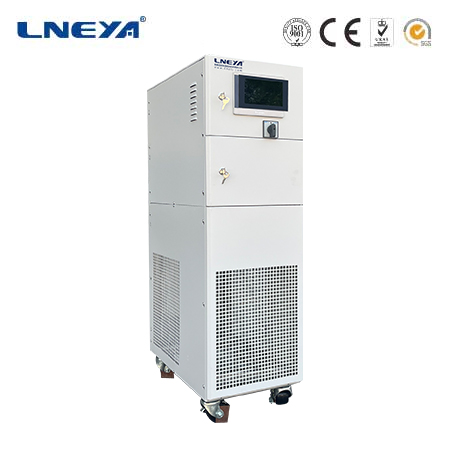
Recent advancements in cool water systems focus on improving efficiency, sustainability, and integration with renewable energy sources. For example, radiative cooling structures have been developed for atmospheric water harvesting, which can enhance water yield and adaptability to diverse geographical conditions. These structures can also be integrated with solar desalination systems to extend water production into nighttime hours.
Conclusion
Cool water systems play a vital role in modern industry, providing essential cooling for processes and equipment. As technology advances, these systems are becoming more efficient and environmentally friendly. Understanding the principles, types, applications, and recent advancements in cool water systems is crucial for industries looking to adopt sustainable cooling solutions and improve their energy efficiency.

Introduction to Heating and CoolingHeating and cooling are two complementary processes that regulate temperature, playing a vital role in numerous aspects of daily life, commercial activities, an...
View details
Introduction to Industrial Water Chiller Plants Industrial water chiller plants are essential cooling systems used in industries such as manufacturing, pharmaceuticals, and food processing. The...
View detailsChiller Machines: A Comprehensive Guide Introduction to Chiller MachinesChiller machines, commonly known as chillers, are essential components of heating, ventilation, and air conditioning (HVA...
View detailsDifferences between Air Cooled Chiller and Water Cooled ChillerCooling Method Air Cooled Chiller: It dissipates heat through air. Fans are used to blow air over the condenser, enabling the ...
View details

HelloPlease log in