 LNEYA Thermal Test Chillers

SEARCH WHAT YOU WANT
Enter keyword or product model
Search allProduct
SEARCH
Gas Cooling Chiller
Introduction to Heat and Cooling Units
Heat and cooling units are devices designed to regulate indoor temperatures, providing comfort and maintaining optimal conditions for various activities. These units can be found in residential homes, commercial buildings, and industrial facilities. They operate on different principles and come in a variety of types, each suited for specific applications.
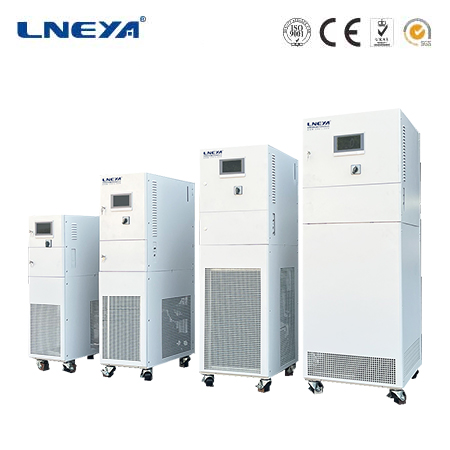
Types of Heat and Cooling Units
Heat and cooling units can be broadly categorized into the following types:
Air Conditioners: These are commonly used for cooling and can also provide heating in some models, known as heat pumps.
Heat Pumps: These units move thermal energy from one place to another, providing both heating and cooling.
Forced-Air Furnaces: These systems use ductwork to distribute heated or cooled air throughout a building.
Packaged Terminal Air Conditioners (PTAC): These are self-contained units used in individual rooms or small spaces.
Boiler Systems: These provide heat by circulating hot water or steam through a system of pipes and radiators.
Mechanisms of Heat and Cooling Units
The mechanisms of heat and cooling units vary based on their type:
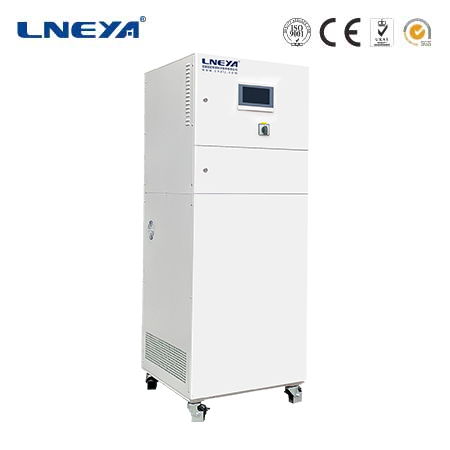
Air Conditioners: Operate on the refrigeration cycle, compressing refrigerant to cool the indoor air.
Heat Pumps: Work by absorbing heat from outside air or ground and releasing it indoors to heat the space.
Forced-Air Furnaces: Use burners or electric coils to heat air, which is then distributed through ducts.
Boiler Systems: Heat water or produce steam that is circulated through radiators or underfloor systems to warm a space.
Efficiency of Heat and Cooling Units
The efficiency of heat and cooling units is measured by different metrics:
Air Conditioners: Measured by the Seasonal Energy Efficiency Ratio (SEER) for cooling.
Heat Pumps: Measured by the Heating Seasonal Performance Factor (HSPF) for heating and SEER for cooling.
Furnaces: Measured by the Annual Fuel Utilization Efficiency (AFUE), which indicates fuel consumption.
Boiler Systems: Measured by the AFUE or, for condensing boilers, the Combined Output Rating (COR).
Applications of Heat and Cooling Units
Heat and cooling units are used in various applications:
Residential: For personal comfort in homes.
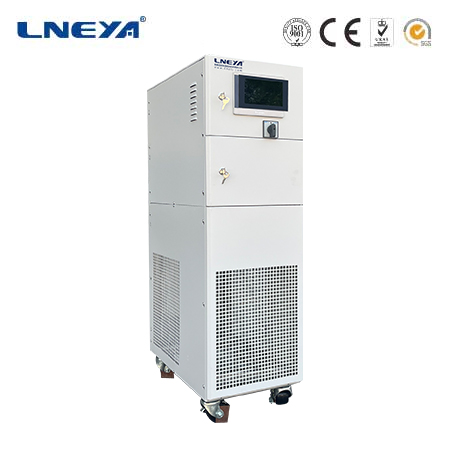
Commercial: In offices, malls, hotels, and other commercial spaces for climate control.
Industrial: For temperature control in manufacturing processes, such as food processing and chemical production.
Data Centers: To maintain optimal operating temperatures for servers and IT equipment.
Environmental Impact of Heat and Cooling Units
The operation of heat and cooling units has an environmental impact, contributing to greenhouse gas emissions. There is a growing focus on energy-efficient and eco-friendly units, such as those using renewable energy sources or featuring energy recovery systems.
Technological Advancements in Heat and Cooling Units
Advancements in heat and cooling units include the development of smart thermostats, variable speed compressors in air conditioners, and more efficient heat exchangers in heat pumps. Innovations in materials and designs have also led to more compact and quieter units.
Conclusion
Heat and cooling units play a significant role in providing comfort and maintaining optimal conditions in various settings. As technology continues to advance, these units are becoming more efficient and environmentally friendly. Understanding the different types, their mechanisms, and the latest advancements is crucial for selecting the appropriate unit for specific needs and for promoting sustainable living and industry practices.

Air-Cooled Chiller Manufacturers in India: An Overview Introduction to Air-Cooled Chillers in India Air-cooled chillers are essential in various industries in India, including manufactur...
View details
Understanding 500 Liter Water Chillers A 500-liter water chiller is an essential piece of equipment for applications that require precise temperature control. These chillers are used in industr...
View detailsWorking Principles of Air Cooled ChillersAir cooled chillers operate based on the fundamental refrigeration cycle, which comprises four main components: the compressor, condenser, evaporator, and...
View details
An industrial water chiller machine is a vital piece of equipment in numerous industrial processes, responsible for maintaining precise water temperatures to ensure the smooth operation of machine...
View details

HelloPlease log in