 LNEYA Thermal Test Chillers

SEARCH WHAT YOU WANT
Enter keyword or product model
Search allProduct
SEARCH
Gas Cooling Chiller
Heating and Cooling Products: A Comprehensive Overview
Introduction to Heating and Cooling Products
Heating and cooling products are integral to the comfort and functionality of residential, commercial, and industrial buildings. These products regulate indoor temperatures to ensure occupant comfort and maintain optimal conditions for various processes. The heating, ventilation, and air conditioning (HVAC) industry offers a wide range of products designed to provide efficient and effective temperature control.
Types of Heating and Cooling Products
The market for heating and cooling products includes a variety of systems, each with unique features and applications:
Furnaces: Traditional furnaces use fuel like natural gas or oil to produce heat, which is then distributed through a building’s ductwork.
Air Conditioners: These systems cool indoor spaces by removing heat and humidity. They can be central systems, window units, or portable models.
Heat Pumps: Heat pumps provide both heating and cooling by transferring heat from one place to another. They can be air-source, ground-source, or water-source.
Thermostats: Thermostats control the operation of heating and cooling systems, with modern smart thermostats offering programmable settings and remote control capabilities.
Boilers: Boilers heat water or produce steam for radiant heating systems, providing warmth through radiators or underfloor heating.
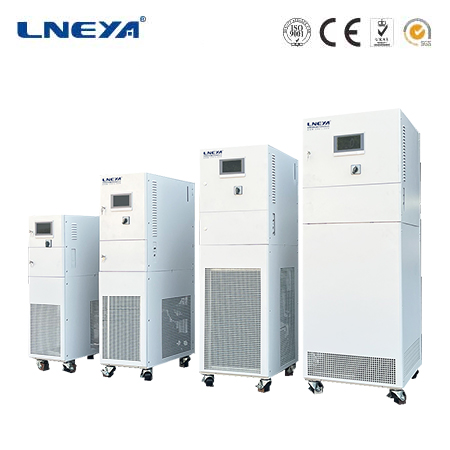
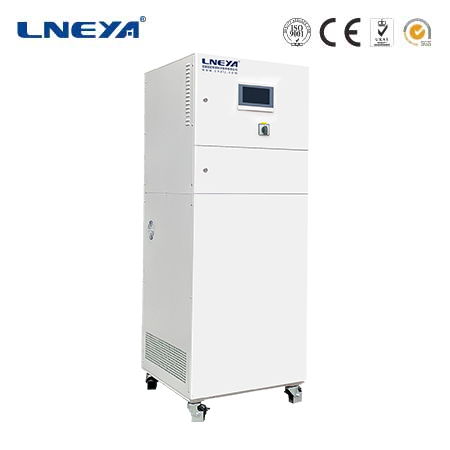
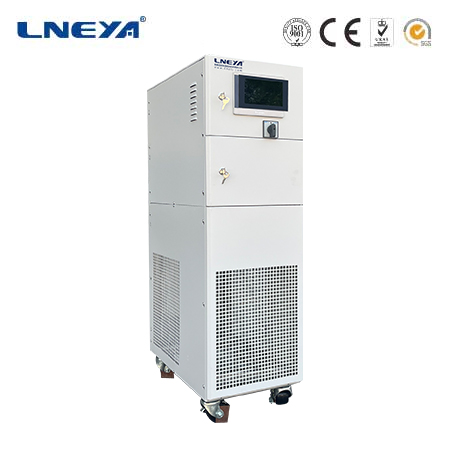
Chillers: Chillers are large-scale cooling systems used in commercial buildings and industrial processes to maintain desired temperatures.
Applications of Heating and Cooling Products
Heating and cooling products are used in a wide range of applications:
Residential: Homes require heating and cooling products for year-round comfort, with systems like furnaces and air conditioners being common choices.
Commercial: Offices, malls, and other commercial buildings use HVAC systems to maintain consistent indoor environments for productivity and customer comfort.
Industrial: Factories and production facilities rely on heating and cooling products to control process temperatures and ensure equipment longevity.
Energy Efficiency of Heating and Cooling Products
Energy efficiency is a critical factor in the selection and operation of heating and cooling products. High-efficiency systems can significantly reduce energy consumption and utility costs. Modern products are designed to meet strict efficiency standards, with features like variable speed motors, improved insulation, and advanced control systems.
Environmental Impact of Heating and Cooling Products
The environmental impact of heating and cooling products is a growing concern. The use of refrigerants with high global warming potential (GWP) in air conditioners and chillers contributes to greenhouse gas emissions. There is a global shift towards using low-GWP refrigerants and developing energy recovery systems to minimize environmental impact.
Technological Advancements in Heating and Cooling Products
Technological advancements are transforming the heating and cooling products landscape:
Smart Controls: IoT-enabled smart thermostats and controls allow for precise temperature management and energy savings.
Renewable Energy Integration: Heat pumps and solar-assisted HVAC systems are becoming more prevalent, leveraging renewable energy sources for heating and cooling.
Variable Refrigerant Flow (VRF) Systems: VRF systems provide precise temperature control and energy efficiency in commercial buildings.
Conclusion
Heating and cooling products play a vital role in maintaining comfortable and functional indoor environments. As technology advances and environmental concerns grow, the focus is on developing more energy-efficient and environmentally friendly products. Understanding the different types, applications, and advancements in heating and cooling products is essential for making informed decisions that balance comfort, efficiency, and sustainability.

Types of Chiller Systems Chiller systems are essential components in many cooling applications, ranging from commercial buildings to industrial processes. They are responsible for removing heat...
View details
Understanding the Cost of a 30 kW ChillerThe cost of a 30 kW chiller is influenced by several factors, including the type of chiller, its efficiency, features, installation requirements, and opera...
View detailsTypes of Industrial Water Chillers in AustraliaWater - Cooled ChillersWater - cooled chillers are widely used in large - scale industrial applications in Australia. They operate by using water a...
View detailsRooftop Chiller Units: Detailed Explanation Introduction to Rooftop Chiller UnitsRooftop chiller units are complete refrigeration systems mounted on building roofs that provide chilled liquid ...
View details

HelloPlease log in