 LNEYA Thermal Test Chillers

SEARCH WHAT YOU WANT
Enter keyword or product model
Search allProduct
SEARCH
Gas Cooling Chiller
Understanding Temperature Controlled Solutions
Definition of Temperature Controlled Solutions
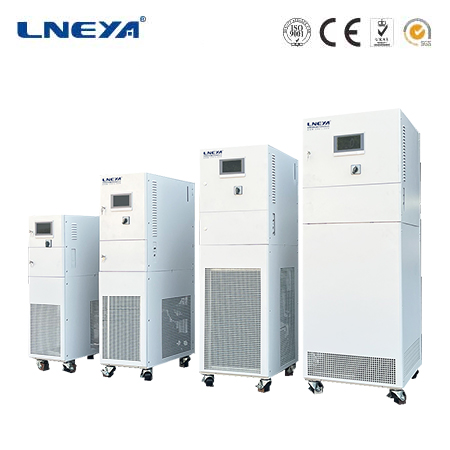
Temperature controlled solutions encompass a range of technologies and systems designed to maintain specific temperature conditions for various applications. These solutions are crucial in industries where temperature fluctuations can impact product quality, safety, and operational efficiency.
Applications of Temperature Controlled Solutions
Temperature controlled solutions are employed across multiple sectors:
Food and Beverage: Refrigeration and freezing systems are essential for preserving food, maintaining freshness, and extending shelf life.
Pharmaceuticals: Precise temperature control is vital for the storage and transportation of temperature-sensitive pharmaceuticals and vaccines.
Data Centers: Cooling systems are necessary for maintaining optimal operating temperatures for servers and IT equipment, ensuring maximum uptime and performance.
Technologies in Temperature Controlled Solutions
Several technologies are used in temperature controlled solutions:
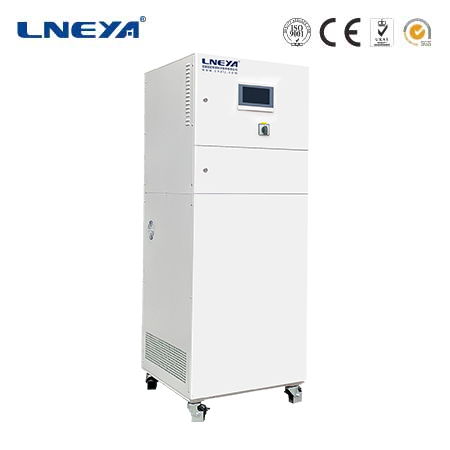
Refrigeration and Cooling Systems: These include vapor-compression, absorption, and adsorption refrigeration cycles, which are used in various applications from industrial chillers to air conditioning units.
Heating Systems: These provide temperature control in environments where maintaining warmth is necessary, such as in greenhouses or industrial processes.
Thermostats and Sensors: These devices monitor and regulate temperature, ensuring that set points are maintained with precision.
Market Trends in Temperature Controlled Solutions
The global market for temperature controlled solutions is growing due to increasing demand from various industries and the need for more efficient and sustainable solutions. The market is expected to reach USD 267.5 billion by 2027, driven by advancements in technology and the need for better temperature management in food and pharmaceutical industries.
Environmental Benefits of Temperature Controlled Solutions
Temperature controlled solutions contribute to environmental sustainability by reducing energy consumption and carbon emissions. High-efficiency chillers, for example, can save significant amounts of energy and reduce greenhouse gas emissions, making them a key component in the transition towards sustainable energy systems.
Energy Efficiency of Temperature Controlled Solutions
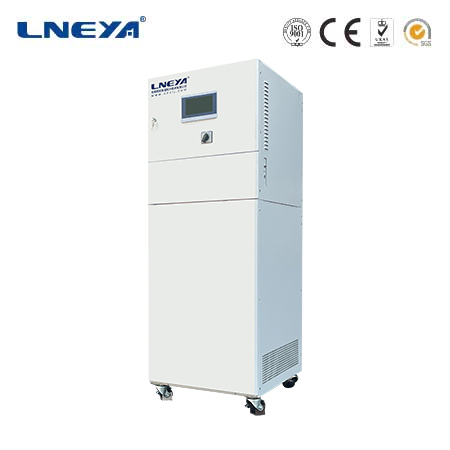
The energy efficiency of temperature controlled solutions is a critical factor in their adoption. High-efficiency chillers and advanced control systems can significantly reduce energy consumption, making them an attractive option for industries looking to reduce their carbon footprint.
Challenges and Future Trends
Challenges in the temperature controlled solutions market include the need for more sustainable and environmentally friendly refrigerants, as well as the need for more efficient systems that can operate in extreme temperature conditions. Future research is expected to focus on developing more efficient and eco-friendly cooling technologies, such as those using natural refrigerants.
Conclusion
Temperature controlled solutions are vital in managing temperature in a variety of applications, from industrial processes to data centers. As technology advances, these systems are becoming more intelligent and energy-efficient, offering significant environmental and operational benefits. The industry is poised for growth, with a focus on sustainable and efficient cooling solutions that can meet the challenges of a warming world.

Water-Cooled Chiller Systems: Efficiency and Versatility in Cooling Solutions Introduction to Water-Cooled Chiller Systems Water-cooled chiller systems are a type of industrial cooling solut...
View details
Chiller Engineering: An In-Depth Analysis Chiller engineering is a specialized field within the broader domain of heating, ventilation, and air conditioning (HVAC) systems. Chillers are essenti...
View detailsIn chiller systems, maintaining an efficient and reliable cooling process is of utmost importance. Propylene glycol has emerged as a popular choice for use in chiller coolants. It is a clear, colo...
View detailsIntroduction to Recirculating Water Chiller SystemsRecirculating water chiller systems are sophisticated cooling solutions that play a pivotal role in maintaining optimal temperature conditions a...
View details

HelloPlease log in