 LNEYA Thermal Test Chillers

SEARCH WHAT YOU WANT
Enter keyword or product model
Search allProduct
SEARCH
Gas Cooling Chiller
Understanding Temperature Chillers
Temperature chillers are mechanical devices designed to remove heat from a fluid, maintaining a desired temperature for various applications. They are widely used in industries such as manufacturing, pharmaceuticals, food and beverage, and data centers, where precise temperature control is crucial.
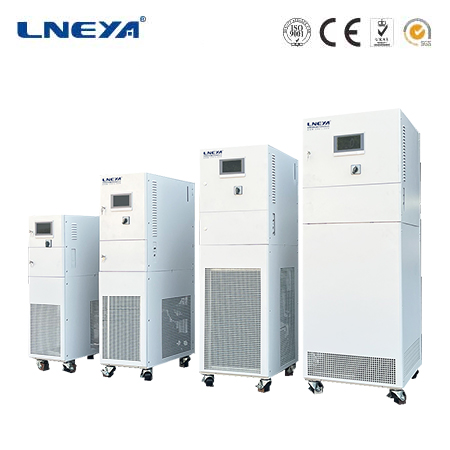
Temperature chillers can be categorized into several types based on their cooling methods and applications:
Air-Cooled Chillers: These chillers use ambient air to cool the refrigerant. They are easy to install and maintain, making them suitable for small to medium-sized applications. However, they may produce more noise due to fans and compressors.
Water-Cooled Chillers: Utilizing water as a cooling medium, these chillers are more efficient than air-cooled models and are commonly used in larger facilities. They require a cooling tower or a water source to function effectively.
Absorption Chillers: These chillers use heat sources, such as natural gas or steam, to drive the cooling process. They are ideal for applications where waste heat is available, making them energy-efficient.
Recirculating Chillers: Designed for laboratory and industrial applications, recirculating chillers maintain precise temperature control and can achieve sub-ambient temperatures, making them suitable for sensitive processes.
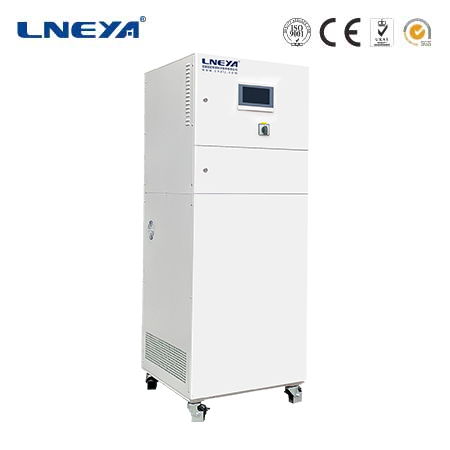
Temperature chillers are utilized in various sectors:
Manufacturing: They are essential for cooling machinery and processes, preventing overheating and ensuring operational efficiency.
Data Centers: Chillers maintain optimal temperatures for servers and IT equipment, preventing downtime and system failures.
Food and Beverage: In this industry, chillers are used to keep products at safe temperatures during processing and storage.
Laboratories: Temperature chillers provide precise cooling for experiments and equipment, ensuring accurate results.
The efficiency of temperature chillers is influenced by several factors, including:
Cooling Load: Properly sizing the chiller for the specific cooling load is crucial for optimal performance.
Temperature Set Points: Maintaining appropriate chilled water supply and return temperatures can enhance efficiency. For example, increasing the chilled water supply temperature can improve chiller efficiency by raising the refrigerant evaporating pressure, thus reducing power consumption.
Regular Maintenance: Routine maintenance, including cleaning condenser coils and checking refrigerant levels, is essential for maintaining efficiency and prolonging the chiller’s lifespan.
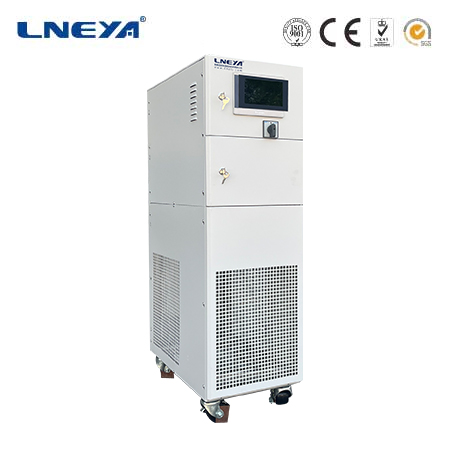
The temperature chiller market is experiencing growth due to several trends:
Increased Demand for Energy Efficiency: As industries seek to reduce energy costs, there is a growing preference for high-efficiency chillers that consume less power.
Technological Advancements: Innovations in chiller technology, such as the use of natural refrigerants and smart controls, are enhancing performance and sustainability.
Expansion in Emerging Markets: Rapid urbanization and industrialization in regions like Asia-Pacific are driving the demand for temperature chillers, particularly in commercial and residential sectors.
Recent advancements in chiller technology focus on improving efficiency and reducing environmental impact. Some notable innovations include:
Smart Controls: Modern chillers are equipped with advanced control systems that optimize performance based on real-time data, improving energy efficiency.
Natural Refrigerants: The use of environmentally friendly refrigerants is becoming more common, aligning with global sustainability goals.
Predictive Maintenance: Technologies that monitor chiller performance and predict maintenance needs help prevent failures and reduce downtime.
Conclusion
Temperature chillers play a vital role in various industries by providing essential cooling solutions. Understanding the different types, applications, efficiency considerations, and market trends can help users make informed decisions when selecting a chiller. As technology continues to evolve, the focus on energy efficiency and sustainability will shape the future of the temperature chiller market.

Air and Water Cooling Systems: A Comprehensive OverviewI. IntroductionIn modern technological and industrial settings, maintaining appropriate temperatures is vital for the proper functioning an...
View details
The chiller manufacturing industry in the United States is a dynamic and integral part of the global cooling technology landscape. Chillers are essential devices for maintaining optimal temperatur...
View details
How should industrial chiller units handle incoming water? 1. When we notice water ingress, we need to immediately turn off the main power supply and shut down the machine for operation...
View details
Thermostream Price: Factors, Ranges, and ConsiderationsThe cost of a thermostream system is a crucial aspect for anyone considering its implementation, whether for industrial, automotive, electro...
View details

HelloPlease log in