 LNEYA Thermal Test Chillers

SEARCH WHAT YOU WANT
Enter keyword or product model
Search allProduct
SEARCH
Gas Cooling Chiller
Thermal oil heating systems, also known as hot oil systems, are engineered to transfer heat generated by a furnace or other heat sources to process fluids in various industrial applications. These systems are particularly beneficial for reaching high temperatures that surpass the limitations of steam heating at reasonable pressures.
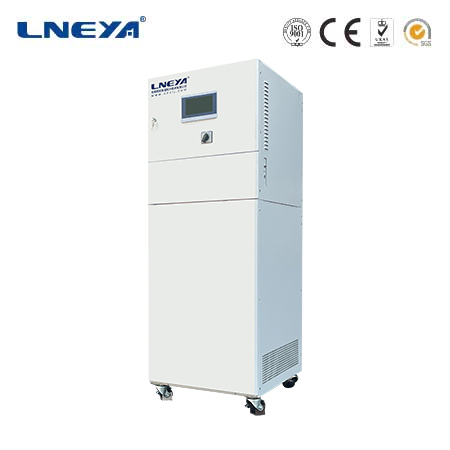
How Do Thermal Oil Heating Systems Work?
Thermal oil heating systems operate by circulating a heat transfer fluid (HTF) through a closed loop. The HTF, often a specialized oil, is heated in a furnace and then circulated through heat exchangers to transfer heat to the process fluid. The heated HTF returns to the furnace to be reheated, maintaining a continuous cycle and providing consistent temperature control within the process.
Components of Thermal Oil Heating Systems:
The main components of a thermal oil heating system include:
Heat Transfer Fluid (HTF): This is the medium that carries heat from the furnace to the process. It must have suitable thermal stability, low viscosity, and high specific heat capacity to ensure efficient heat transfer.
Furnace: The furnace provides the heat source for the HTF. It can be fueled by various energy sources, including gas, oil, or biomass.
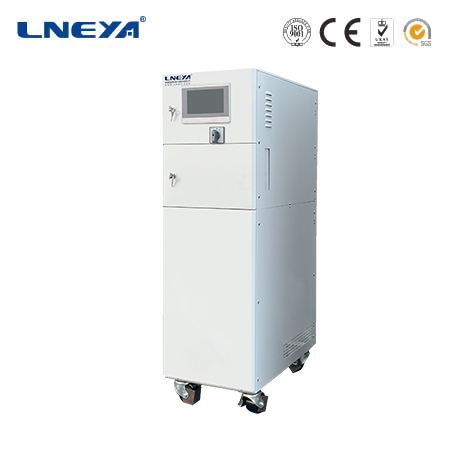
Pumps: Pumps circulate the HTF through the system, maintaining the necessary flow rate for effective heat transfer.
Heat Exchangers: These are used to transfer heat from the HTF to the process fluid, maintaining the desired temperature within the process.
Control System: A control system monitors and regulates the temperature of the HTF, ensuring it remains within the set parameters.
Advantages of Thermal Oil Heating Systems:
Thermal oil heating systems offer several advantages, such as:
Precise Temperature Control: These systems can maintain precise temperature control, which is essential for many industrial processes.
Energy Efficiency: They operate at high temperatures, which can lead to increased energy efficiency compared to steam heating systems.
Wide Temperature Range: HTFs can operate over a broad temperature range, making them suitable for various applications.
Safety and Reliability: With proper design and operation, thermal oil heating systems can be highly reliable and safe to operate.
Safety Considerations:
When designing and operating thermal oil heating systems, safety is a paramount concern. These systems operate at high temperatures and pressures, which can pose fire and explosion hazards if not managed properly. It is essential to choose the right HTF with suitable properties, such as high flashpoints and thermal stability. Additionally, the system must be designed and maintained to prevent leaks, overheating, and blockages that could lead to equipment failure or accidents.
Conclusion:
Thermal oil heating systems are a vital technology in many industries, providing reliable and precise temperature control for a variety of processes. As the demand for energy efficiency and process optimization grows, the role of thermal oil heating systems becomes increasingly important. With proper design, operation, and maintenance, these systems can offer a safe and effective solution for high-temperature heating applications.

Enhancing Cooling Efficiency: The Concept of "Cooler Cool" Introduction to "Cooler Cool"The phrase "cooler cool" encapsulates the idea of making cooling systems more effective. Whether it's kee...
View details
Water-Cooled Package Unit: Efficient and Compact HVAC Solution Water-cooled package units are a type of HVAC equipment that provides cooling through a water-cooled condenser, offering an effici...
View details
Working of Air Cooled Chiller An air-cooled chiller is a type of refrigeration system that is widely used to provide cooling for a variety of applications, including commercial buildings, indus...
View details
What is the impact of the outlet temperature of the chilled water for a 100 ton chiller? We often talk about the cooling capacity of a 100 ton chiller. In fact, the nominal cooling capa...
View details

HelloPlease log in