 LNEYA Thermal Test Chillers

SEARCH WHAT YOU WANT
Enter keyword or product model
Search allProduct
SEARCH
Gas Cooling Chiller
Understanding Chiller Rates
A chiller rate, or cooling capacity, is a measure of how much heat a chiller can remove from a given space or process. Chiller rates are typically expressed in tons of refrigeration (RT) or kilowatts (kW). One ton of refrigeration is equivalent to 12,000 BTUs per hour. Chiller rates are essential for ensuring that a chiller can handle the cooling load of a specific application.
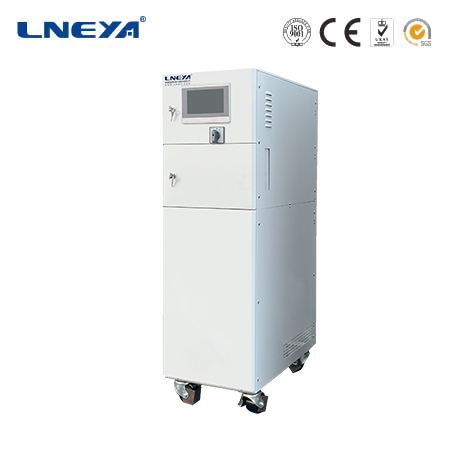
Calculating Chiller Efficiency
Chiller efficiency is a measure of how effectively a chiller uses energy to produce cooling. The most common metrics for chiller efficiency include:
kW/Ton: This is the most common unit of measurement for chiller efficiency. It is calculated by dividing the power input of the chiller in kilowatts (kW) by the cooling capacity of the chiller in refrigeration tons (RT). The lower the kW/Ton, the higher the chiller’s efficiency.
Coefficient of Performance (COP): COP is a unitless measure that indicates how much cooling is produced per kilowatt of energy consumed. It is calculated by dividing the cooling capacity in kilowatts (kW) by the power input in kilowatts (kW). A higher COP indicates greater efficiency.
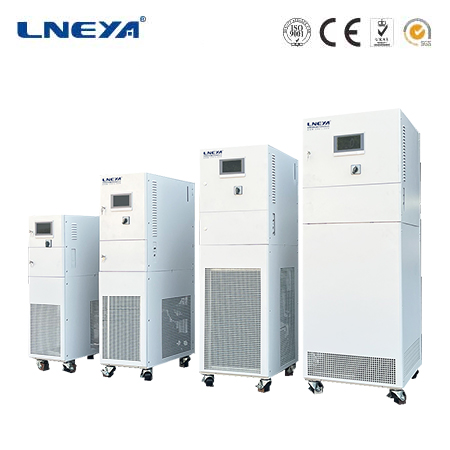
Energy Efficiency Ratio (EER): EER is calculated by dividing the cooling capacity in BTUs per hour by the power input in watts. It is another way to express the energy efficiency of chillers.
IPLV/NPLV: These metrics represent the part-load efficiency of a chiller. IPLV (Integrated Part Load Value) and NPLV (Non-Standard Part Load Value) are calculated based on the weighted part-load efficiency of a chiller at different load conditions.
Applications and Considerations
Chillers with different rates and efficiencies are used in various applications, such as:
Commercial Buildings: For air conditioning and maintaining comfortable indoor environments.
Industrial Processes: In manufacturing and processing facilities where precise temperature control is required.
Data Centers: To maintain optimal temperatures for servers and IT equipment.
Healthcare Facilities: For critical temperature-sensitive environments like laboratories and operating rooms.
When selecting a chiller, it’s important to consider the cooling load, energy efficiency, refrigerant type, system integration, and supplier reputation.
Technological Advancements
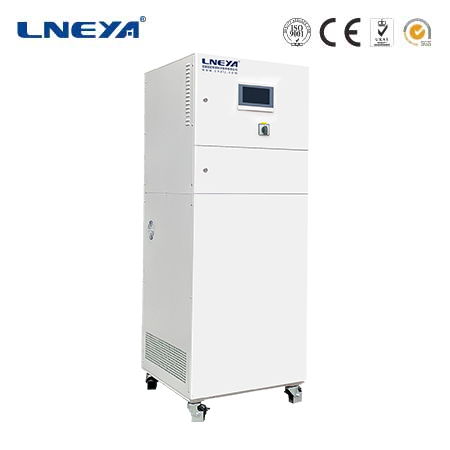
Advancements in chiller technology continue to improve efficiency and reliability. Modern chillers may incorporate variable-frequency drives (VFDs), more efficient compressors, and advanced control systems for precise temperature regulation.
Conclusion
Understanding chiller rates and efficiency metrics is crucial for selecting the appropriate chiller for a given application. By matching the chiller rate to the cooling load and considering efficiency, users can ensure optimal performance and energy savings. As technology advances, chillers are becoming more efficient and adaptable to various applications, making them indispensable for maintaining temperature control in numerous industries.

water chillers play a critical role in the cooling process of molds, which is essential for the solidification of injected molten plastic. The efficiency of the chiller directly impacts the qualit...
View details
Understanding 2000-Ton ChillersA 2000-ton chiller is an industrial-scale cooling system that provides significant cooling capacity for large buildings or complexes. These chillers are designed to ...
View details
Air-Cooled Process Chillers: Operation and Advantages Air-cooled process chillers utilize ambient air to remove heat from the refrigerant, making them a preferred choice for smaller to medium-s...
View detailsIntroduction to Multi-Stack Chillers Multi-stack chillers, such as those offered by Multistack, are innovative HVAC solutions designed for scalability and efficiency. These chillers are particu...
View details

HelloPlease log in