 LNEYA Thermal Test Chillers

SEARCH WHAT YOU WANT
Enter keyword or product model
Search allProduct
SEARCH
Gas Cooling Chiller
Water-Cooled Chiller Refrigeration Cycle
A water-cooled chiller’s refrigeration cycle is fundamental to its operation. This cycle comprises four main components:
Evaporator: The refrigerant in the evaporator absorbs heat from the chilled water loop, causing the refrigerant to evaporate and the water to cool down.
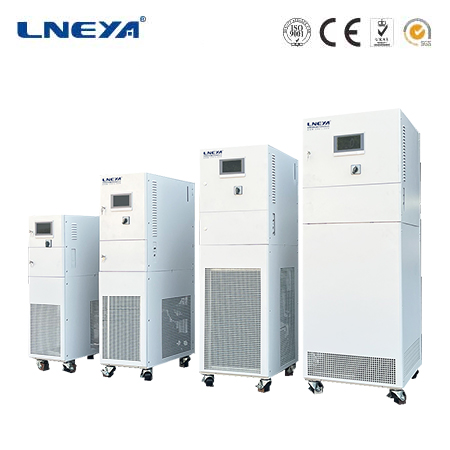
Compressor: The compressor raises the pressure and temperature of the refrigerant vapor, preparing it for the condenser stage.
Condenser: In the condenser, the refrigerant releases the absorbed heat, which is then dissipated by the condenser water loop, typically using a cooling tower.
Expansion Valve: The high-pressure liquid refrigerant passes through the expansion valve, entering the evaporator as a low-pressure liquid-vapor mixture, starting the cycle anew.
Efficiency and Performance
The efficiency of water-cooled chillers is often measured by the Coefficient of Performance (COP), which is the ratio of the cooling output to the energy input. Water-cooled chillers generally have a higher COP than air-cooled chillers due to the more efficient heat rejection using water.
Common Issues and Maintenance
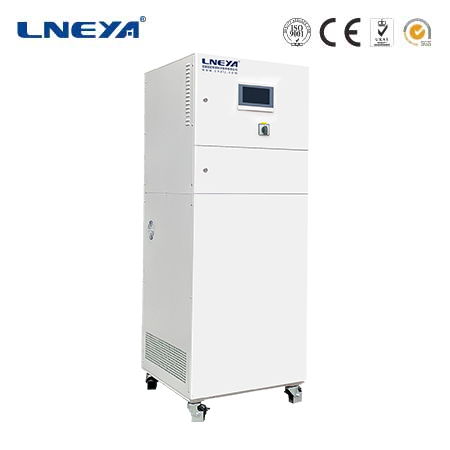
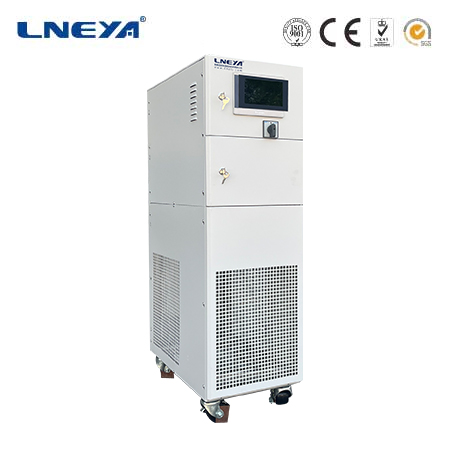
Some common issues faced in water-cooled chiller systems include:
Inefficient Condenser Function: Regular cleaning and maintenance are required to ensure optimal heat transfer.
Condenser Blockage: A clean condenser is necessary to prevent gas buildup and high-pressure issues.
Air Entrapment: Trapped air in the system can lead to high-pressure alarms; venting is necessary after installation or maintenance.
Excess Refrigerant: Overcharging the system with refrigerant can lead to high pressure; proper pressure maintenance is required.
Expansion Valve Issues: Regular monitoring and adjustment or replacement of the expansion valve are necessary to maintain pressure balance.
Applications
Water-cooled chillers are widely used in various industries such as food processing, metal finishing, injection molding, space cooling, and medical applications, including MRI and CT scanners, where precise temperature control is crucial.
Conclusion
The refrigeration cycle in water-cooled chillers is a vital process for cooling in numerous applications. Ensuring the efficient operation of this cycle requires regular maintenance and addressing common issues promptly. Water-cooled chillers offer high efficiency and reliability, making them a preferred choice in many industrial and commercial settings.

Air and Water Cooling Systems: A Comprehensive OverviewI. IntroductionIn modern technological and industrial settings, maintaining appropriate temperatures is vital for the proper functioning an...
View details
Cool Heating: Sustainable and Energy-Efficient Heating Solutions Cool heating is an innovative approach to heating that focuses on energy efficiency and minimal environmental impact. Unlike tra...
View details
Introduction to Industrial Heating Manufacturers Industrial heating manufacturers play a pivotal role in providing essential heating solutions for a multitude of industries, including construct...
View details
Introduction Chiller cycling is an important aspect of the operation of chiller systems. It involves the repeated starting and stopping of the chiller unit in response to various factors withi...
View details

HelloPlease log in