 LNEYA Thermal Test Chillers

SEARCH WHAT YOU WANT
Enter keyword or product model
Search allProduct
SEARCH
Gas Cooling Chiller
Introduction to Chiller Costs
Chillers are vital for maintaining optimal temperatures in commercial and industrial settings, and their costs are influenced by several factors. Understanding these factors is essential for making informed decisions when investing in a chiller system.
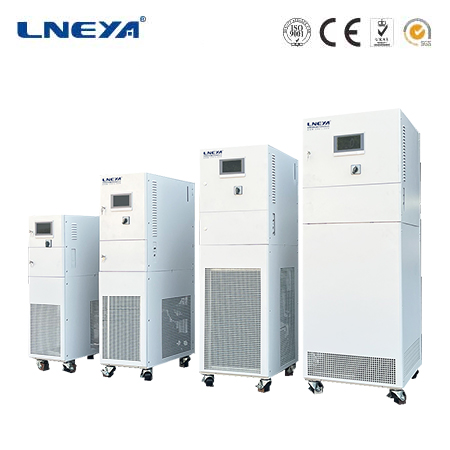
Factors Affecting Chiller Costs
The cost of a chiller can vary widely based on:
Capacity: Chillers are sized based on their cooling capacity measured in tons. A 200-ton chiller, for example, is suitable for large-scale cooling needs and will be more expensive than a smaller-capacity unit due to its ability to remove more heat in an hour.
Type: Chillers can be air-cooled, water-cooled, or absorption types, each with different operational principles and costs. Water-cooled chillers are often more efficient but require access to a constant clean water supply and may have higher installation and maintenance costs.
Efficiency: High efficiency chillers, such as those with magnetic bearing technology, offer excellent Coefficient of Performance (COP) but come with a higher initial investment. The long-term energy savings, however, can offset the initial cost, making them economically viable in certain conditions.
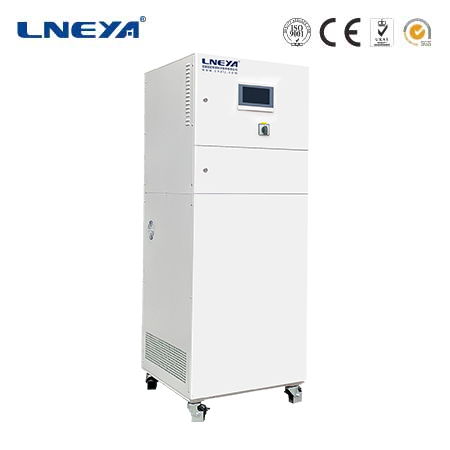
Brand and Manufacturer: Different brands and manufacturers have varying price points for their chiller models, with some premium brands commanding higher prices due to their reputation for quality and reliability.
Operational Costs and Energy Efficiency
Operational costs are a significant part of the total cost of owning a chiller. These include electricity for operation, maintenance, and potential repairs. Energy-efficient chillers with high COP ratings can significantly reduce operational costs, leading to a lower total cost of ownership over time.
Life-Cycle Optimization of Chiller Plants
Optimizing the life-cycle cost of a chiller plant involves considering the design, operation, and maintenance phases. This includes selecting the right size and type of chiller, optimizing the control strategies, and ensuring proper maintenance to maximize efficiency and reliability.
Impact of Climate Conditions
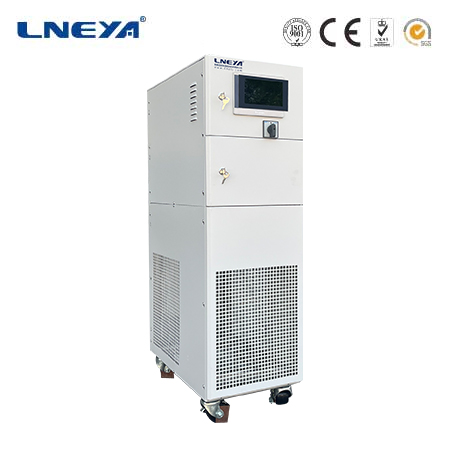
Chiller performance can be affected by climate conditions, with some chillers more suitable for specific climates. For example, free cooling technologies can take advantage of colder external temperatures to reduce the energy consumption of chillers, making them more efficient in colder climates.
Conclusion
When considering the cost of a chiller, it’s essential to look beyond the initial purchase price and consider the total cost of ownership, including operational costs, energy efficiency, and life-cycle optimization. Advanced chiller technologies, while potentially more expensive upfront, can offer significant energy savings and improved performance, making them a worthwhile investment for many commercial and industrial applications.

80 Ton Air-Cooled Chiller: High-Capacity Cooling Solutions for Large-Scale Applications An 80-ton air-cooled chiller is a critical component in HVAC systems, providing large-scale cooling for c...
View details
Process Heater Manufacturers Process heaters are essential equipment in many industrial sectors as they are used to heat fluids, gases, or other materials to specific temperatures required for ...
View details
Types of Temperature Controllers: Ensuring Precision in Temperature Control Temperature control is critical in a wide array of industries, from manufacturing to medical applications. The precis...
View detailsWater bath machines have become an indispensable tool in many fields, especially in laboratories and certain industrial processes. Their ability to provide a controlled and stable thermal environm...
View details

HelloPlease log in