 LNEYA Thermal Test Chillers

SEARCH WHAT YOU WANT
Enter keyword or product model
Search allProduct
SEARCH
Gas Cooling Chiller
Introduction to the Use of Chillers
Chillers are essential cooling systems that transfer heat from one medium to another, providing cooling for a variety of applications. They are used in heating, ventilation, and air conditioning (HVAC) systems, industrial processes, and even in the preservation of perishable goods. The use of chillers is critical in maintaining optimal temperatures for comfort, safety, and efficiency.
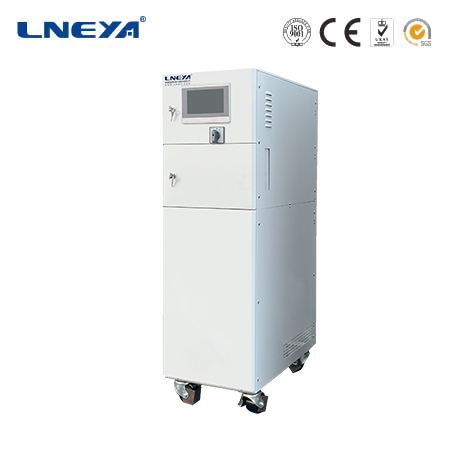
Commercial Uses of Chillers
HVAC Systems: Chillers are used in commercial buildings to maintain a comfortable indoor environment by cooling the air that is circulated through the building.
Data Centers: They are crucial for cooling servers and IT equipment, preventing overheating that could lead to malfunctions or downtime.
Industrial Uses of Chillers
Manufacturing Processes: In industries such as plastics, pharmaceuticals, and food processing, chillers are used to maintain precise temperatures necessary for quality control and process efficiency.
Chemical Processing: They are used to cool chemical reactions, ensuring safety and controlling reaction rates.
Importance of Chiller Selection
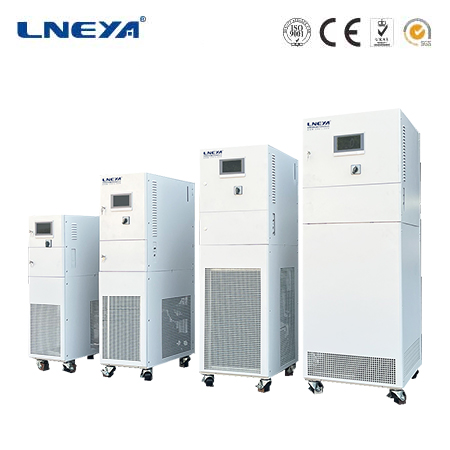
Application Needs: The selection of the appropriate chiller for a specific application is based on the required cooling capacity, temperature range, and operational conditions.
Energy Efficiency: Choosing energy-efficient chillers can significantly reduce energy consumption and lower operational costs.
Impact of Chiller Operation on Energy Consumption
Energy-Efficient Technologies: Modern chillers use advanced technologies such as variable frequency drives (VFDs) and smart controls to optimize energy use.
Maintenance and Optimization: Regular maintenance and proper operation of chillers ensure they run efficiently, reducing energy waste.
Sustainability and Chiller Use
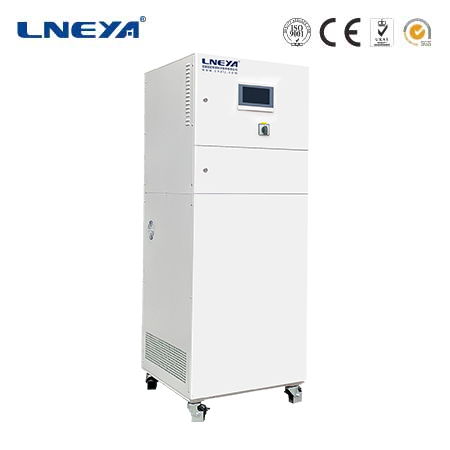
Environmental Impact: The use of chillers can contribute to sustainability by reducing the overall energy consumption of a facility.
Refrigerant Choices: The choice of refrigerants in chillers is important for minimizing environmental impact, with a shift towards more eco-friendly options.
Conclusion
The use of chillers is widespread and vital for various applications, from providing comfort in commercial buildings to supporting critical processes in industry. The proper selection, operation, and maintenance of chillers not only ensure effective cooling but also contribute to energy efficiency and sustainability.
Note: This article is for informational purposes only and does not endorse any specific product or service. It is essential to consult with a qualified professional when selecting, installing, or maintaining chiller systems to ensure they meet the specific requirements of the application and comply with industry standards.

Small Industrial Water Chillers: Market Trends and Applications Small industrial water chillers are essential in maintaining optimal temperatures in various industrial processes. These chillers...
View details
Factors Influencing the Price of 10 - Ton Water ChillersChiller TypeWater - Cooled Chillers: Water - cooled 10 - ton chillers generally tend to have a higher upfront cost compared to air - coole...
View details
What environmental factors should be considered when using a 5 ton water chiller? 1. If the environment in which a company uses a chiller is poor and the chiller needs to run for a rela...
View details
Water Bath Circulator Heaters: Precise Temperature Control for Diverse Applications Water bath circulator heaters are advanced laboratory tools that provide both heating and circulation of wate...
View details

HelloPlease log in